
 E-Paper



Why learning must go beyond the classroom
This article is authored by Nusrat Pathan, head, CSR, HDFC Bank.

 Prefer HTon Google


India’s education system sits at the heart of its demographic promise. Yet the world of work is evolving at an unprecedented pace. Technology is reshaping roles, skills are becoming obsolete faster than ever, and career pathways are increasingly non-linear. As India moves closer to universal school enrolment, access to education is no longer the primary challenge. The more pressing question is whether classroom learning is translating into preparedness for life and livelihoods.
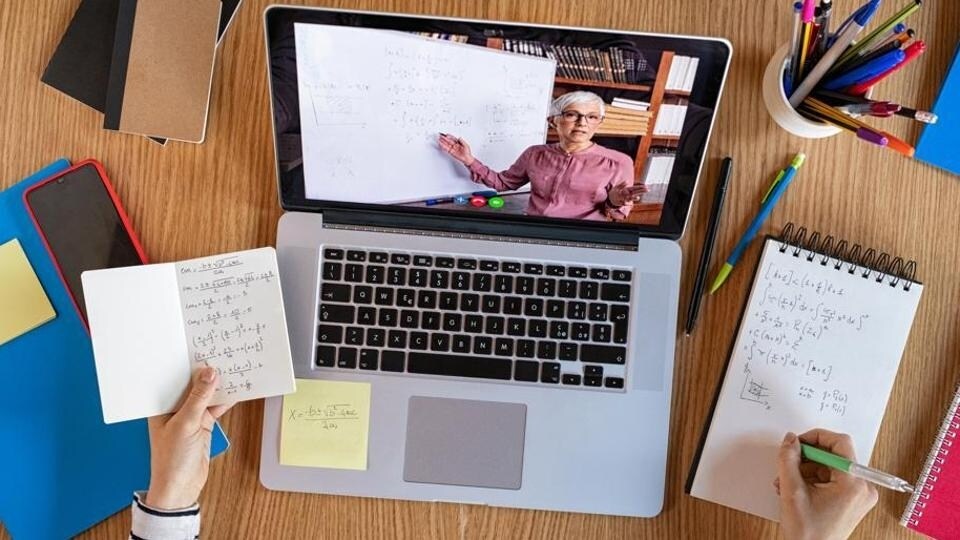
This shift calls for a broader approach to support and guide students beyond academic instruction through life skills, counselling, mentorship, and real-world experiences. Holistic development is no longer optional; it is essential to ensure that education remains relevant, inclusive, and enables transition to employment/economic independence.
Data from Periodic Labour Force Survey (PLFS) Monthly Bulletin for September 2025 highlights both progress and persisting gaps. Labour force participation, particularly among rural women has strengthened, pushing overall LFPR to 55.3%. Yet unemployment has risen marginally to 5.2%, underscoring that participation gains must be matched with employable skills.
This disconnect highlights the need for dynamic curriculums that can anticipate the changing needs of the workplace. Education systems must redesign approaches to ensure better learning outcomes and render education more relevant to the values and attitudes required in the 21st century. Hence, holistic support helps bridge this gap by aligning learning with real-world contexts, reducing dropouts, and enabling young people to make informed choices.
Technology, when thoughtfully integrated into classrooms, can significantly strengthen both access and quality of education. However, tech-enabled learning now goes beyond just infrastructure; it involves maximising the potential of Generative AI while minimising its risks. For instance, G20 countries are now focusing on digital fluency, teaching students not just how to use tools, but digital citizenship, critical thinking, and media literacy.
Efforts aligned with the National Education Policy 2020 and initiatives such as NIPUN Bharat increasingly focus on strengthening foundational learning through smart classrooms, STEM and ICT laboratories, libraries, and inclusive infrastructure. Targeted STEM and STEAM initiatives for girls are also helping expand participation in science and technology-led pathways, addressing both gender equity and future workforce needs.
These interventions go well beyond physical assets. They support teachers, enhance classroom engagement, and create learning environments that are responsive to diverse needs, including those of children with special needs. When designed and implemented well, such investments can transform government schools into dynamic centres of learning and contribute meaningfully to long-term nation-building.
Digital tools also open up new possibilities for guidance and exposure. Career discovery platforms help students identify pathways aligned with their interests and abilities. Mentorship networks connect them with professionals who provide perspective and feedback. Early exposure to financial literacy, entrepreneurship, and simulated work environments builds practical decision-making skills at a formative stage—skills that are often missing from traditional curriculum.
While India has made progress with various skilling ecosystems, the focus is shifting from one-time training to a lifelong learning mindset. Foundational literacy and numeracy are no longer limited to early education; they form the basis for learning how to learn across an individual’s life.
There is also growing emphasis on career literacy and guidance models that support informed choices across education and employment pathways. Some education systems have moved away from high-stakes testing towards approaches that prioritise problem-solving, critical thinking, and character development. To sustain impact, corporates can support industry-linked training models that incorporate:
- Internships and apprenticeships: Providing real-world experience that responds effectively to labour market needs.
- Micro-credentials: Recognising and certifying specific skills to allow for flexible learning pathways.
- Technical & Vocational Education Training (TVET): Expanding access to high-quality training that involves the private sector and MSMEs.
Holistic education begins with enabling environments. Global best practices now emphasise Social and Emotional Learning (SEL) and "socio-emotional well-being" as being vital for leading an empowered, self-determined life.
Investments in school infrastructure such as libraries, science laboratories, and sports facilities encourage curiosity, physical well-being, and experiential learning. At the same time, training in future-facing areas such as green jobs, data analytics, and financial services helps young people prepare for emerging opportunities. A transition towards a more sustainable economy will require equipping youth with both digital skills and environmental awareness.
The scale of India’s education and skilling challenge demands collaboration. No single stakeholder can address it alone. Progress depends on purposeful partnerships between government, corporates, civil society, and educational institutions.
For corporates, this convergence presents a clear opportunity. By aligning CSR efforts with government schemes, they can strengthen on-ground implementation through curriculum support, teacher training, and digital and physical infrastructure. Corporate expertise in project management, technology, and impact measurement can complement government reach and policy frameworks. Together, these partnerships can move holistic models beyond pilots and scale them sustainably.
Preparing students for the future requires reimagining education as a continuum rather than a phase. As India moves towards a knowledge-driven economy, the priority must be to help young people navigate change with confidence. Holistic support beyond the classroom is about creating pathways for meaningful participation in India’s growth story.
This article is authored by Nusrat Pathan, head, CSR, HDFC Bank.


