In the last few years, Renuka Shahane has dabbled into writing and direction, while her acting projects have been far and few in between. This year, she returned to the screens in a comic role with the web series Dupahiya, after having done another comic part in the 2021 release Govinda Naam Mera.
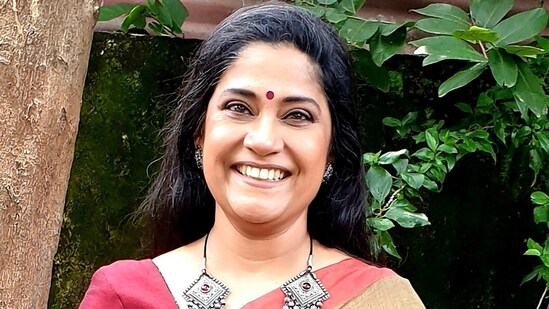
During the ’90s and 2000s, Renuka Shahane was mostly seen in intense roles and she is loving getting to explore the lighter side on screen. “This is an aspect which, for the longest time, I was not associated with. As actors, I feel that drama is comparatively easier than comedy. You have to be very particular about the tone that you are using and the tone has to match the tone of the filmmaker who's making that comedy. There are various styles of comedic acting and I enjoy myself so much doing comedy,” she says.
One of the most loved and revered films in the Indian cinematic history Hum Aapke Hain Koun! recently completed 31 years, and Renuka admits that no matter how much time passes, it will remain the role that everyone will remember her by. “There's going to be no dissociation from that role for the next many years as well, because I think that that is such an iconic role that is going to always be there for me. I’m grateful for that,” she says.
Having been part of both the film and web format in recent time, Renuka asserts that there is a difference between the two. “In the series format, there is less hierarchy. There is much more equality and within people behind the camera and and in front of the camera, there is a different kind of camaraderie, which makes for a good OTT series. On the film set, there's a definite hierarchy,” she says, adding that there are much more women in the workforce today. “You see a lot more young people on the set today and a lot more women in roles, which are traditionally not seen with them. Like Govinda Naam Mera was shot by a female cinematographer. A lot of women are seen much more in roles of power in the industry today. That's a great evolution,” she asserts.
{{/usCountry}}Having been part of both the film and web format in recent time, Renuka asserts that there is a difference between the two. “In the series format, there is less hierarchy. There is much more equality and within people behind the camera and and in front of the camera, there is a different kind of camaraderie, which makes for a good OTT series. On the film set, there's a definite hierarchy,” she says, adding that there are much more women in the workforce today. “You see a lot more young people on the set today and a lot more women in roles, which are traditionally not seen with them. Like Govinda Naam Mera was shot by a female cinematographer. A lot of women are seen much more in roles of power in the industry today. That's a great evolution,” she asserts.
{{/usCountry}}With OTT, she also feels that female actors above a certain age are getting meatier roles. “There are so many newer stories for women that are written today by both men and women. They talk about emotions one would never have expected, say 20 years back. Ensemble casts, including character actors, have become a norm and things are specifically written for people over a particular age, which didn't happen earlier,” she says.
“The times have changed now and people are willing to accept actors who are not doing the same thing over and over again. We want variety from actors. So, our audience has also evolved because they are exposed to so much these days that is happening all around the world. As an audience, we also expect better things from our writers and our directors. That's where the crux lies. If the audience wants the same thing from you over and over again, you are bound to give that. You're not going to be in anything which is of any experimental nature, especially not women,” Renuka ends.