
 E-Paper



When the humble paan goes gourmet
From molecular creations to ice-chilled delights, gourmet paans bring you a delicious mix ofheritage and novelty.

 Prefer HTon Google


Imagine a paan that goes beyond the classic refreshment of a betel leaf (Piper betle), herbs, spices, and dry fruits; a paan that uses distinct ingredients to bring out fine, epicurean flavors; a paan designed for seekers of luxury, but one that can still be had with the same ease. This brimming niche has a name: gourmet paans.
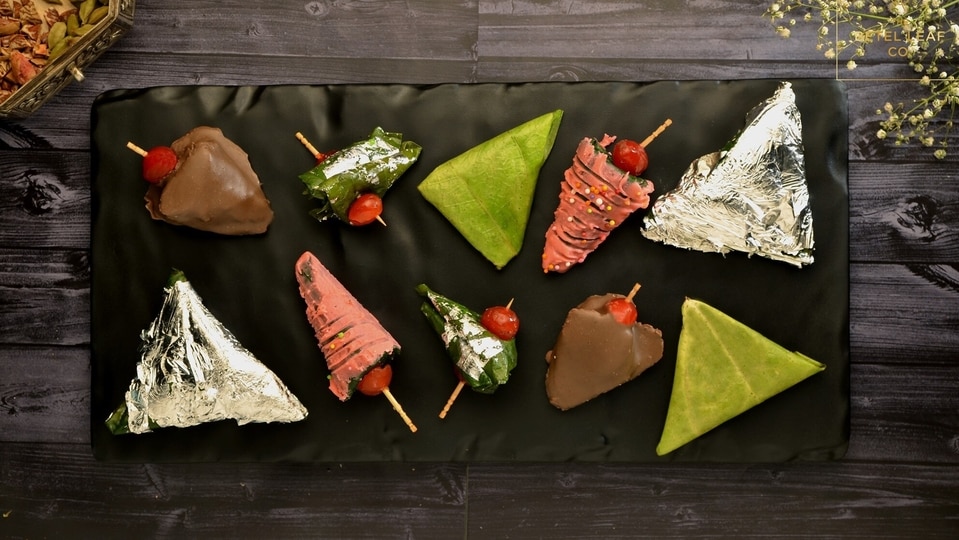
BRIDGING THE GAP BETWEEN GENERATIONS
In India, paan is traditionally made by wrapping a betel leaf around areca nut and slaked lime paste. Other ingredients such as tobacco, spices, and sweeteners may be added as per taste. While this remains a classic, an increasing variety of gourmet recipes aim to make the paan more inclusive for non-tobacco users — offering a range of flavors for all alike. An assortment of gourmet paan can range between ₹300-800 for both pre-packaged as well as custom orders.
“By incorporating modern flavors and concepts, gourmet paans facilitate intergenerational dialogue. They act as a cultural touchstone that helps continue the legacy of this Indian after-dinner treat,” says Anita Lalwani Surana aka ‘Anu the Paanwali,’ CEO of Yamu’s Panchayat, a paan parlor in Delhi and Mumbai where innovations like raat ki rani paan infused with edible flowers, motichoor ke laddoo paan, fire paan, a gold paan with hazelnut and chocolate confection, and even exclusive movie-inspired creations like RRR paan (a sweet and punchy combination of spices) take center stage.
Prem Raheja, founder of The Betel Leaf Co. — a paan delivery and dessert company selling varieties such as rum and raisin paan and tiramisu paan — stresses the inclusivity aspect of gourmet paan: “In a scenario where women make up 66% of the direct consumers, a gourmet approach has revolutionized the industry’s reputation from a predominantly masculine one to a more inclusive one.”
REFLECTING CULINARY INTRICACIES
The appeal of an intricate, complex recipe presented in a unique, elegant manner adds to the fine-dining experience. Siddhartha Naha, outlet manager at Jalsa, a modern Indian restaurant in Kolkata, says, “When people come to a fine-dining restaurant, the presentation and uniqueness of the flavors are as important as the food itself, to reflect the thoughtfulness that goes behind each bite — and this extends to the paans.” He adds, “Our molecular paan — a coming together of chopped betel leaves and betel nuts cocooned in one bite using molecular cooking — is an example of the restaurant’s culinary spirit and menu.”
THE RISE OF PAAN FUSION
At Leavessence, a paan dessert shop in Mumbai, one can find varieties such as ice paan (sweet-filled betel leaves wrapped and frozen for crisp bites of flavor), mango paan (a seasonal dripping and inlay of fresh mango purée in the paan), and kulfi paan, which can be savored on a stick. Co-founder Anuj Murarka, who, along with partner Shubham Bagaria, hired a chef along with a long-time paanwala to bring out paan-centric desserts that play at the intersection of the old and new, says, “The vision was to make a dessert that preserves the familiar flavor and incorporates betel leaves to give the paan a classic touch.”


