E-Paper



Celebrating Ram Mandir in fashion: Faith meets fashion
As India celebrates the homecoming of Shri Ram to Ayodhya, fashion pays its own tribute to faith

 Prefer HTon Google


The nationwide ardour for Shri Ram has reached fashion and jewellery, with brands launching collections themed after Shri Ram and his much-awaited divine abode in Ayodhya. Artists from all over the country have come together in a tapestry of hand-painted designs, digital prints, Ram Mandir-inspired jewellery and kalamkari motifs.
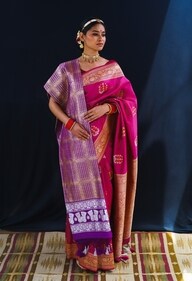
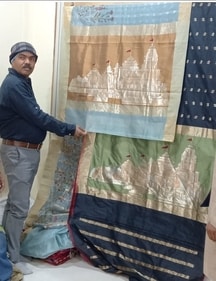
Endeavouring to “revive old textiles and give them new life”, Ajay Bhoj, a handloom revivalist from Delhi, has designed a Ramavali shawl inspired from a historic design. “We took inspiration from the design of a 180-year-old shawl from Murshidabad, West Bengal, recreating it in real gold and silver Banarasi zari work. It has Shri Ram, Jai Ram, Jai Jai Ram written over 1,000 times.”
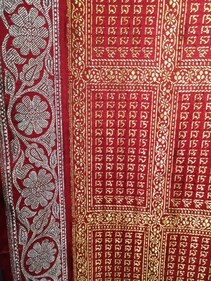
The shawl which has been displayed at the National Museum, Delhi was made after a a lot of trial and error. Bhoj says, “It took us three months to make the first piece. The inspiration behind the making of the shawl was its connection to Hinduism and its importance in history. I researched more about the original shawl on how to make it and I told my kaarigar, Suleman to recreate the same piece in zari. In the start, there were a few challenges related to which silk fabric to use, how to make it soft etc. The zari also has been used keeping in mind how it was made in the olden times with (100 tole pe 5 tola and 1kg pe 5 gm) 98% to 98.5% chandi potti being pure. Ram’s rupa in the saree also a slight gold beading so that it never tarnishes. Using the technique of graphing and patta cutting, jai shree ram inscriptions were made.”
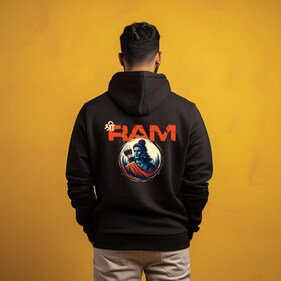
The blend of spirituality with style has struck a chord with Gen Z as well, with brands offering streetwear and accessories dedicated to Shri Ram. Prabhu Bhakti, an online store recently launched Ram Mandir, their collection that features T-shirts and hoodies with Shri Ram illustrations. “We’re looking to connect fashion with devotion for the younger generations, which is why this collection has got a great response,” says founder Samast Ahlawat.
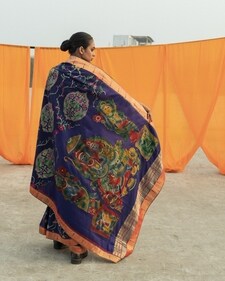
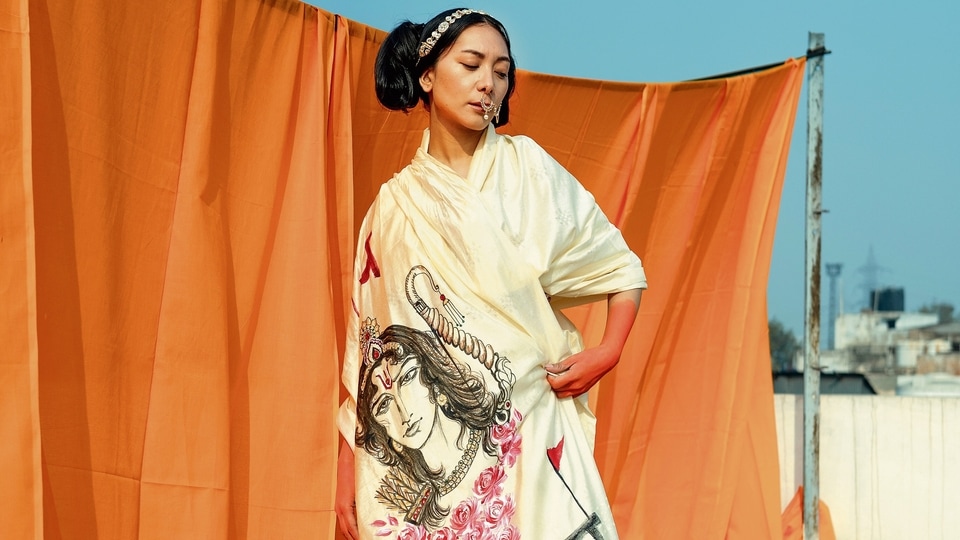
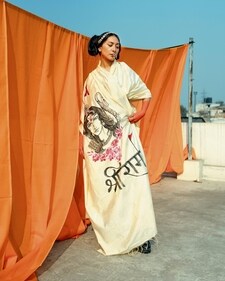
The trend has percolated into occasion wear, too, like designer Gautam Gupta explains: “Our Paithani saree has kalamkari motifs of Ram Darbaar on the pallu. The intersection of style and spirituality appeals to both Gen Z and millennials. These sarees can be worn during celebrations and festive occasions alike.” Designer Neha Vadehra, who has launched hand-painted Shri Ram sarees that come with customisations, says: “I’ve expressed my feelings for Shri Ram through them.”
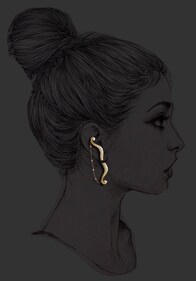
Jewellery designer Ambar Pariddi Sahai has introduced a themed collection featuring studs with a Sita Ram engraving, Suryavanshi ear cuffs and dhanush-shaped earrings. “I’m customising Shri Ram-themed jewellery. It’s an attempt to blend traditional charm with a modern aesthetic for the new generation,” explains Sahai.
For Kashi weaver Sarvesh Srivastava, the building of Ram Mandir has been the inspiration behind the making of a chandrakala pattern saree, which has found its wearers not just in India but around the globe too. He says, “The saree is made of chandrakala pattern – it is a kala from Ramji’s time (bandhani pattern). It is a mix of Bharatiya resham and zari. It takes almost three months to make a saree because chandrakala is a bit tough as no machine is used and is done with the karigar’s expertise by lifting the needle for every thread.”
With more than 10 artisans to make a saree, he had to give special training to the weavers to make this saree. He explains, “Since there are no weavers here, we gave training to people to increase the number of weavers. Moreover, we also started taking pre-bookings for such orders that not only come from across India but from abroad too like Italy, Singapore, USA.”
These sarees features Ram Mandir design on the pallu and bootiyan pattern on the rest of the saree with zari on the border so that the flow of the bottom of the saree is unaffected. Copper, silver and golden zari have been used sans any threadwork. He mentions “bhagua colour is in trend syncing with the occasion”. Srivastava explains, “It depends on the demand too. We have also done black sarees where the pallu work can be highlighted more and have got orders for yellow and red sarees too. The work we do on these sarees cost us around ₹35,000.”
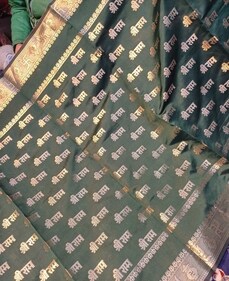
Coming from the seventh generation of weavers, designer Mohammad Sharik in Kamacha, Banaras shares how the weaver’s community have seen a demand from various places to make “Shree Ram ke likhe hue bune hue dupatte”. He shares, “Jaise bhune hue designed sarees hai, logo ko shree ram customised chahiye in bhagua colour dupatta. Until now, we have made and supplied around 80,000 such dupattas and we are making more. We don’t do such customisations in sarees because it feels disrespectful on a saree as it falls on your feet. So, we make gamcha and dupattas that can be wrapped around one’s neck. There were a few hiccups in the process where the weave would look better from the back and not from the front but we slowly overcame it and now we can make it in 10 colours. It was a challenge as we had to train the designer but since it was something new that we are offering. I got this idea from a textile industry officer who predicted that there might be a demand for this in the future, so since then we started working on this like almost six months back. Our main inspiration was to make it for Shree Ram and the idea was to see people don these pieces there which would create a good vibe there and we also could get highlighted for our work.”
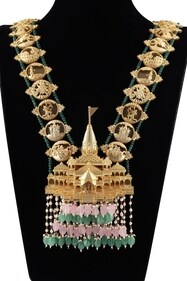
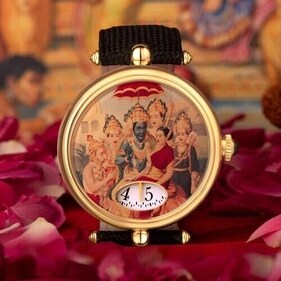
Serving as a heartfelt homage to Ram, jewellery brand PP Jewellers by Pawan Gupta has also jumped on the bandwagon by launching their new Ayodhya collection. It features Ram Mandir-inspired jewellery pieces made from 22-carat gold, precious gemstones like rubies, emeralds and pristine pearls. Jaipur Watch Company has also launched Ram Panchayatan watch as part of their Raja Ravi Varma collection.