
 E-Paper



Small signs, big difference: Why early physiotherapy matters for children who need it
On World Physiotherapy Day today, focus turns on the importance of timely intervention in helping children in need achieve developmental milestones

 Prefer HTon Google


For parents, a child’s first roll, independent sit, crawl or step is a moment to celebrate. But when these milestones are delayed, overlooked or dismissed, valuable time for intervention can sometimes be lost.

This World Physiotherapy Day, HT puts spotlight on the importance of recognising early signs of developmental or movement difficulties and seeking professional evaluation when concerns arise.
Paediatric physiotherapy can help children develop strength, coordination, balance and functional mobility, particularly when developmental delays are linked to neurological conditions, injuries or disorders such as cerebral palsy, muscular dystrophy (genetic disorder that causes progressive muscle weakness) and spina bifida (a type of birth defect where the spine and spinal cord do not form correctly).
“Parents should pay attention to how their child moves, rather than looking only at whether a particular milestone has been achieved. Difficulty in rolling, sitting, standing, walking, running or jumping, frequent falls, toe walking, or consistently using one side of the body more than the other can all warrant an assessment,” says Dr Swati, a paediatric physiotherapist with expertise in neuro- development therapy (NDT), sensory integration and early intervention strategies.
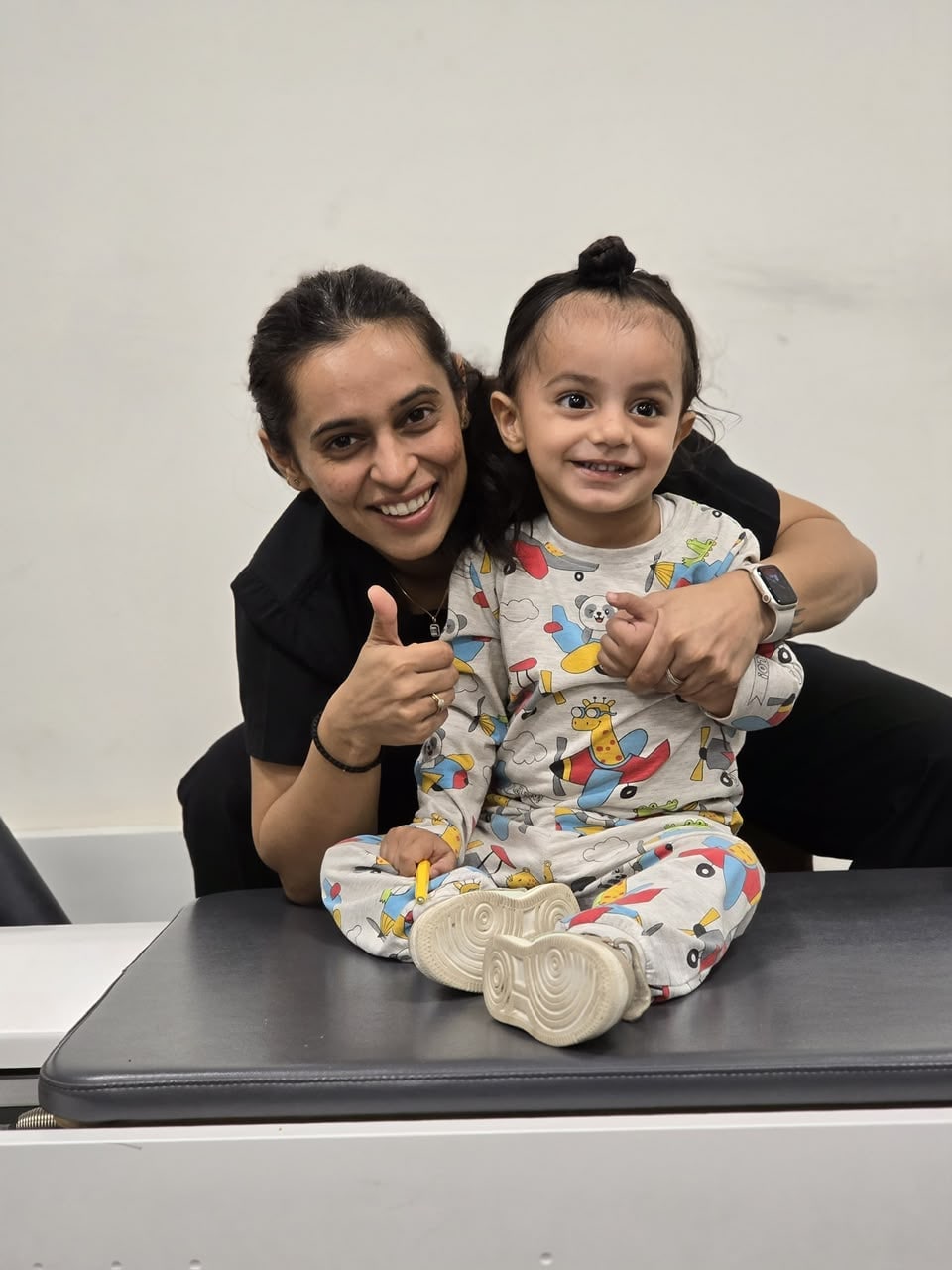
According to her, early intervention is particularly important because therapy is aimed not merely at helping a child achieve a milestone, but also at building the physical foundations needed for future movement and independence.
“Starting therapy early, especially after an assessment and diagnosis by a neuro-paediatrician where required, can help children and reduce the risk of secondary complications,” says the physiotherapist, whose youngest patient was as young as nine months old.
As per Dr Prashant Kulkarni, a neuro-physiotherapist, with the right techniques, kids develop greater strength, balance and confidence, benefits that a general physiotherapy approach may not always provide.
“Most importantly, early intervention plays a crucial role in helping children achieve age-appropriate motor milestones,” he adds.
Depending on a child’s individual needs, therapy may include strengthening, milestone training, balance and gait training, sensory work and evaluation for orthoses (externally applied medical device used to support, align, prevent, or correct skeletal and muscular deformities).
“The goal is to make therapies such as dynamic movement intervention (DMI), NDT, and sensory integration, meaningful and functional for every child,” Dr Swati adds.
For Vikramjit Singh, father of three-year-old Ridhamveer diagnosed with spinal muscular atrophy, physiotherapy has given his family confidence and independence.
Similar is the case of Nirvair Singh, 4, whose mother Gurleen Kaur says he could now get up and walk independently despite being diagnosed with Duchenne muscular dystrophy at birth.
Manpreet Kaur, mother of six-year-old Eknoor Kaur, says “My daughter has been diagnosed with cerebral palsy. Her regular therapy sessions are helping in avoiding complications.”
Signs to look out for
Difficulty in rolling, sitting, standing, walking, running or jumping, frequent falls, toe walking, or consistently using one side of the body more than the other.
Other signs that should not be ignored include unusual stiffness or floppiness, poor balance or posture, difficulty coordinating movements and pain during movement.
Why early intervention is beneficial
Paediatric physiotherapy can improve gross motor skills, muscle strength, joint flexibility, balance, posture and gait.
Starting therapy early, especially after an assessment and diagnosis by a neuro-paediatrician where required, can help children and reduce the risk of secondary complications.


