While umbrellas and raincoats make it to everyone's monsoon checklist, footcare often gets overlooked. But constant exposure to rainwater, sweaty footwear and humidity can leave your feet vulnerable to fungal infections, blisters and irritation. Experts share how to keep your feet clean, dry and healthy through the rainy season.
Why do feet need extra care in monsoon?
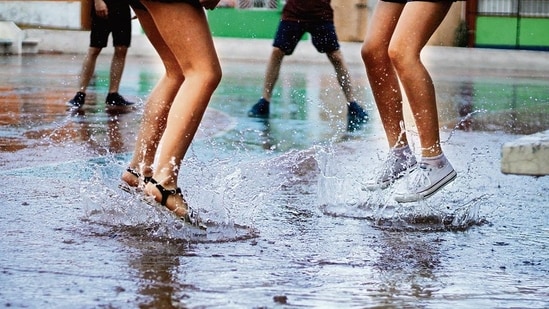
Walking through puddles means your feet come in contact with water mixed with mud, sewage, road grime and chemicals. Add to that the season’s high humidity, which prevents feet from drying, making conditions perfect for bacteria and fungi to multiply.
Dr Saurabh Shah, consultant dermatologist, Saifee Hospital, Mumbai, says, “When feet remain wet for prolonged periods, the skin becomes soft and waterlogged— a process called maceration. This weakens the skin’s natural barrier and creates tiny cracks and blisters through which microorganisms can enter.” Moisture trapped between the toes and inside shoes further increases the risk of infection.
What are the common monsoon foot problems?
Dr Akriti Gupta, founder and chief dermatologist, Jivisha Clinic, New Delhi, says, “Athlete's foot is among the most common complaints during the rainy season, but it's far from the only one.” Prolonged exposure to moisture can also trigger cracked heels, blisters, bacterial infections, nail infections, skin irritation and persistent foot odour.
"Feet often stay wet because of rain or sweaty footwear, weakening the skin's protective barrier," she says. “Bacterial infections are equally common. Cuts and softened skin become easy entry points for bacteria, resulting in painful boils, infections around the nails (paronychia) and even cellulitis. Excessive sweating and damp footwear can also lead to pitted keratolysis, a bacterial infection that causes tiny pits on the soles and persistent foot odour,” explains Shah.
The footcare routine every dermatologist recommends
{{/usCountry}}"Feet often stay wet because of rain or sweaty footwear, weakening the skin's protective barrier," she says. “Bacterial infections are equally common. Cuts and softened skin become easy entry points for bacteria, resulting in painful boils, infections around the nails (paronychia) and even cellulitis. Excessive sweating and damp footwear can also lead to pitted keratolysis, a bacterial infection that causes tiny pits on the soles and persistent foot odour,” explains Shah.
The footcare routine every dermatologist recommends
{{/usCountry}}Dermatologist Lalita Arya of DermaPuritys advises the basics: Wash your feet every day with a gentle cleanser and dry them thoroughly, especially between the toes.
- Wash your feet every day with a gentle cleanser and dry them, especially between the toes
- Keep your toenails neatly trimmed
- Check regularly for cuts, blisters or redness
- Use an antifungal dusting powder if your feet sweat excessively
- Moisturise the heels to prevent cracking, but avoid leaving excess moisture between the toes.
Daily foot checks and prompt medical attention at the first sign of infection are essential. If you have diabetes, these steps become even more important. Even small cuts or infections can worsen quickly because wounds heal more slowly and may go unnoticed due to reduced sensation.
How to choose the right footwear
Your footwear plays a crucial role in preventing monsoon-related foot problems. Arya recommends, “Choose lightweight, waterproof sandals or shoes made from quick-drying materials with anti-slip soles. Avoid leather or canvas shoes that absorb water and remain damp for long periods, creating the ideal breeding ground for bacteria and fungi.”
Dr Shweta Nakhawa, Consultant Dermatologist, KIMS Hospitals, Thane says, “Choose waterproof footwear that dries quickly and offers good grip to prevent slips on wet surfaces. Avoid wearing the same pair of shoes every day, as footwear needs adequate time to dry completely between uses. Regularly clean and air-dry your shoes to prevent moisture build-up and reduce the risk of infections.”
Avoid damp footwear. Change out of wet socks as soon as possible and allow shoes to dry completely before wearing them again. "Keeping your feet dry is the single most effective way to prevent foot problems during the monsoon," concludes Arya.