E-Paper



12 held for issuing fake RT-PCR reports for pilgrims to enter Puri’s Jagannath Temple
Apart from the Jagannath Temple, the Lingaraj Temple, a Shiva Temple in Bhubaneswar, has also similar restrictions for devotees. However, no other major temples in the state have put such restrictions.


Nearly five months after a fake RT-PCR negative test report racket rocked the holy town of Haridwar in Uttarakhand during the Kumbh Mela, the police in Puri on Friday arrested a gang of 12 people for allegedly preparing and selling fake RT-PCR negative reports to devotees so that they could get access to the Jagannath Temple.
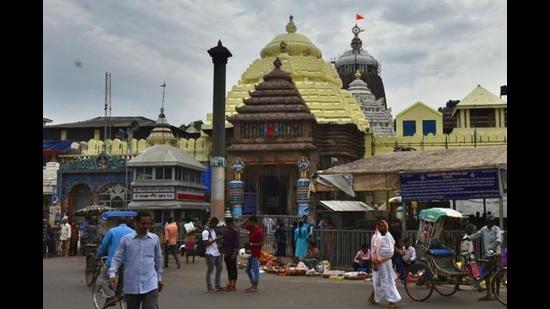
The temple reopened for devotees on August 23 after remaining shut for over four months due to Covid-19. Temple authorities mandated that pilgrims should have either a RT-PCR negative report obtained 96 hours before the temple visit or a double dose vaccination certificate to enter the 12th century shrine.
Puri SP Kanwar Vishal Singh said 12 people were arrested in three different cases over their involvement in selling fake RT-PCR reports for anything between ₹500 and ₹700. The SP said two cases were registered at the Singhadwar Police Station and one at the Kumbharpada Police Station over the last 12 days.
“Two are devotees from Madhya Pradesh, three are from Chhattisgarh, six are from Puri and one from Angul district. One more accused in the case is absconding,” said the SP without revealing their names. The accused persons have been arrested under Sections 465/471/120(B)(34) of IPC. The police seized the computer used for issuing fake RT-PCR certificates to devotees.
Apart from the Jagannath Temple, the Lingaraj Temple, a Shiva Temple in Bhubaneswar, has also similar restrictions for devotees. However, no other major temples in the state have put such restrictions.
In April this year, around 1 lakh RT-PCR reports of devotees attending the Kumbh Mela Haridwar was found to be fake after the festival got over. Some of the companies who were hired by the administration to conduct RT-PCR tests had allegedly issued fake negative certificates without conducting any test.
After the Jagannath Temple re-opened last month, the temple administration had issued an SOP prohibiting devotees from touching statues or idols inside the premises or take offerings like flowers/ bhoga/ diyas inside the temple. Chewing of Tobacco, Paan and spitting inside the temple premises has been strictly prohibited and a fine of ₹500/- will be levied for each violation.
Special relief commissioner of Odisha, Pradip Jena on Friday urged citizens to celebrate the harvesting festival of Nuakhai by abiding with Covid-19 appropriate behaviour. “Odisha is witnessing 600 to 1000 new Covid-19 infections daily and people should not congregate in temples during the festive period. The second wave is not over yet,” said Jena.