E-Paper



15 killed in lightning strikes across Odisha in a single day
Lightning is one of the leading causes of weather-related deaths in Odisha, accounting for between 200 and 400 fatalities annually.

 Prefer HTon Google


In one of the deadliest lightning-related incidents in recent years, 15 people were killed across Odisha on Friday as Nor'wester storms swept through the state, triggering widespread lightning strikes.
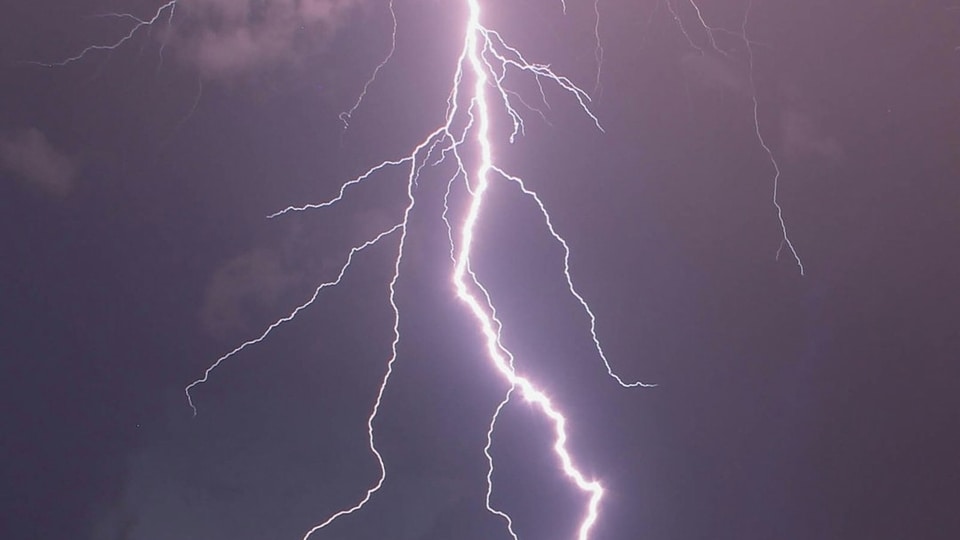
According to the Odisha State Disaster Management Authority (OSDMA), the highest toll was reported from Koraput district, where four people lost their lives. Ganjam district reported three deaths, while two fatalities each were recorded in Nabarangpur, Jajpur, and Dhenkanal. One death each was reported from Rayagada, Cuttack, and Mayurbhanj districts. Over a dozen others were injured in the incidents.
In Koraput district, four people were killed in two separate lightning strikes. In Paradiguda village under Odiapentha gram panchayat in Laxmipur block, Budri Mandinga (60), her granddaughter Kasa Mandinga (16), and Ambika Kashi (35) died instantly after being struck by lightning while taking shelter in a hut near their paddy field. Five others were injured in the same incident. In another case, Das Jani (32) of Khalpadi village in Semiliguda block died while fishing near Lenjiguda village.
In Ganjam district, Rita Goud (30) of Kebiri Brahmapur under Belaguntha police station died after being struck by lightning in a mango orchard. In A. Barida village, 13-year-old Omprakash Pradhan was killed while playing cricket on the village playground.
In Jajpur district, two children—Tara Hembram (9) and Jakhun Chatar (12)—died after being struck by lightning while playing in a field in Burusahi village under Anjira panchayat in Dharmasala block.
Dhenkanal district reported the deaths of Surushi Biswal (40) from Kusumundia village under Mahabirod police station, who was struck while standing in front of her house, and Sanatan Dian (45) from Kabara village, who was hit while returning from the fields.
In Mayurbhanj, Chunarama Kisko (31), a laborer from Kuting village under Udala police station, died after being struck by lightning while returning from the Uparbeda forest office.
Odisha Revenue and Disaster Management Minister Suresh Pujari expressed his condolences, calling the incident tragic. “This was a natural disaster, and unfortunately such events do result in loss of lives. The department will provide compensation of ₹4 lakh to the families of the deceased. Post-mortem examinations are underway, and we are examining each case closely. To mitigate the impact of lightning in the future, we are working in coordination with the Forest Department on extensive tree plantation drives,” he said.
Lightning is one of the leading causes of weather-related deaths in Odisha, accounting for between 200 and 400 fatalities annually, with 85% of incidents occurring between May and September. The coastal state records over six lakh lightning strikes each year and reported a staggering 1,418 lightning-related deaths between 2020 and 2025, making it the worst-affected state in India.
In 2023–24, 212 people died due to lightning, while 297 deaths were recorded in 2022–23.
Odisha’s pre-monsoon and monsoon periods (March to July) create ideal conditions for thunderstorms, marked by high temperatures, humidity, and atmospheric instability. The state's coastal and hilly terrain, coupled with the influence of the Chhotanagpur Plateau, further intensifies cloud-to-ground lightning activity. Research shows that 15% of lightning strikes actually reach the ground, posing a direct threat to people caught outdoors.
As part of its mitigation strategy, the state has planted over 19 lakh palm trees since 2023. These trees, known for their height and conductive properties, are being used as natural lightning rods, although their effectiveness remains under evaluation.