
 E-Paper



562 provinces to 14 units: The colossal task of uniting India
It is difficult to imagine what India looked like before the integration of states, an effort in which Patel played the vanguardist role.

 Prefer HTon Google


“Today we think of the integration of the states only in terms of the consolidation of the country, but few pause to consider the toils and anxieties that had to be undergone till, step by step, the edifice of a consolidated India was enshrined in the Constitution,” VP Menon wrote in his classic The Story of Integration of Indian States in 1955. It was a book Menon had promised Vallabhbhai Patel he would write and dedicated it to him. “It was a co-operative effort in which everyone from Sardar—our inspiration and light—down to the rank and file played his part…There was a unity of purpose animating everyone”.
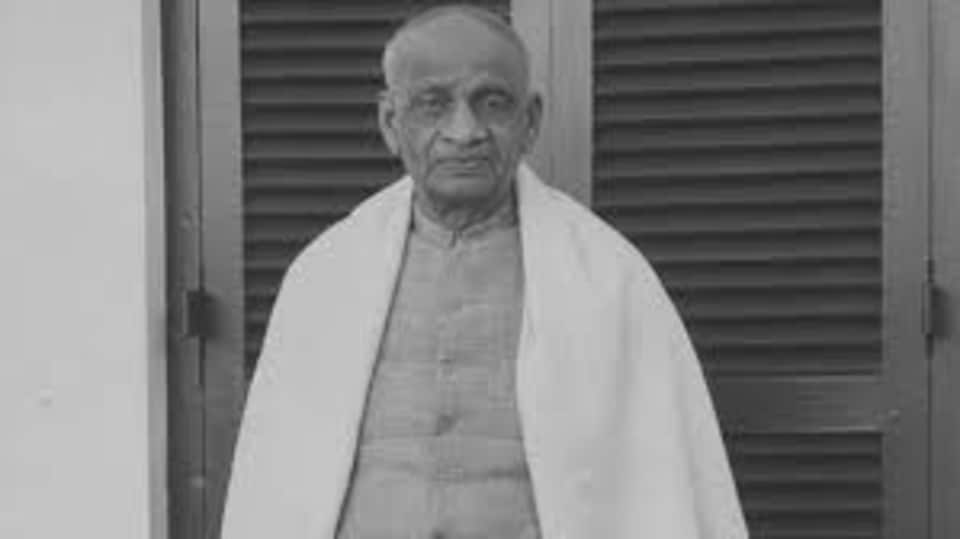
It is difficult to imagine what India looked like before the integration of states, an effort in which Patel played the vanguardist role. Menon listed 562 independent states, big and small, which existed in what was pre-independence and pre-partition India. This number was taken from the report of the Butler Committee formed in 1927 to clarify the relationship between the British rule and independent princely states in India.
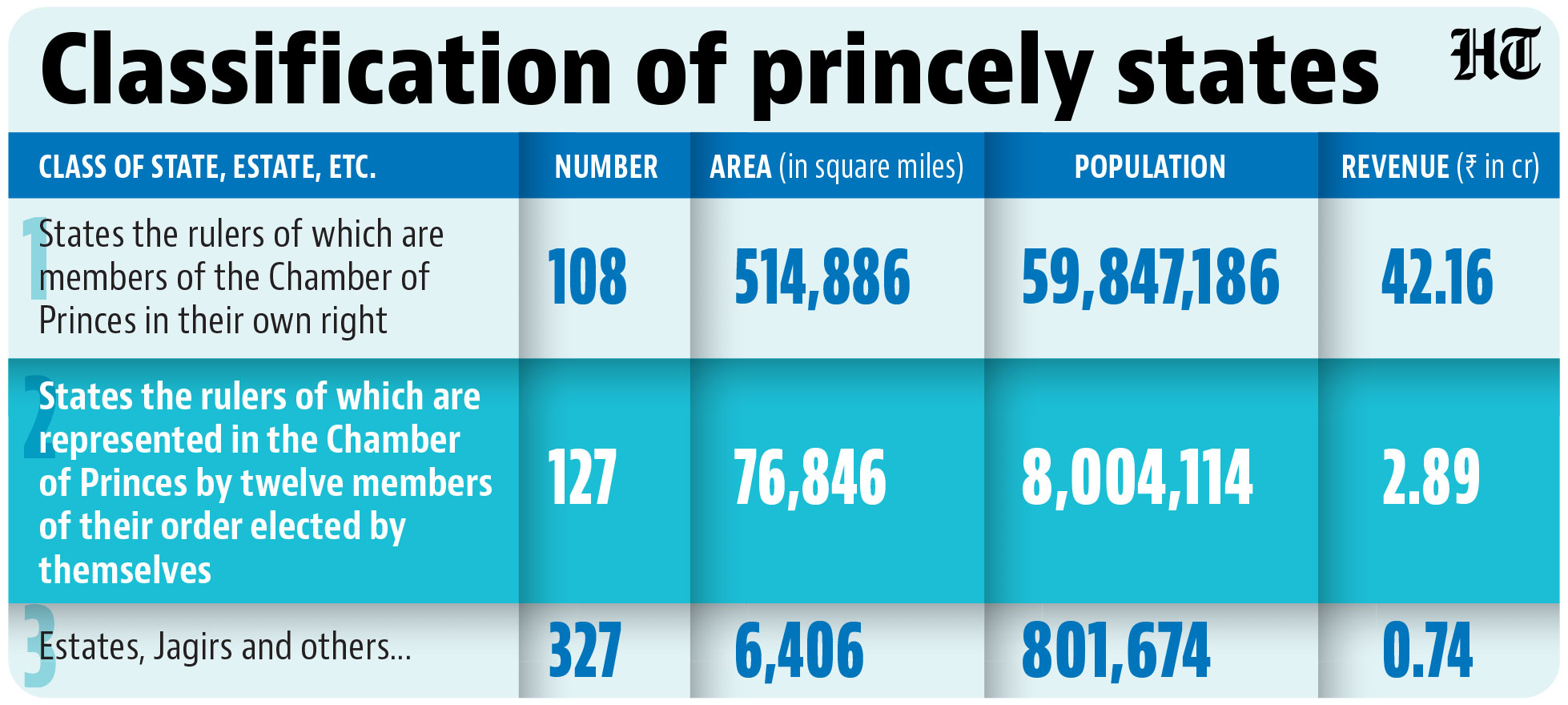
By the time Menon wrote his book, India had seen a phenomenal integration of these states. “Out of 554 States, Hyderabad and Mysore were left territorially untouched. Two hundred and sixteen states were merged in provinces in which they were situated, or to which they were contiguous. Five were taken over individually as chief commissioners’ provinces under the direct control of the Government of India, besides 21 Punjab hill states which comprised Himachal Pradesh. Three hundred and ten states were consolidated into six Unions, of which Vindhya Pradesh was subsequently converted into a chief commissioner’s province. Thus, as a result of integration, in the place of 554 states, 14 administrative units had emerged,” he wrote.
Convincing these erstwhile rulers to accept democratic India required deft diplomacy. On July 5, 1947, the day the ministry of states came into being, Patel struck a note of reconciliation towards these states. “I should like to make it clear that it is not the desire of the Congress to interfere in any manner whatever with the domestic affairs of the states.”
His statement on December 16, 1947 struck a very different note. “I felt that their (states) rulers had acquired by heredity and history certain claims on the people which the latter must honour. Their dignities and privileges and their means of subsistence on a reasonable standard must be assured. I have always held to the belief that the future of the princes lies in the service of their people and their country and not in the continued assertion of their autocracy.”


