
 E-Paper



Maharashtra, Bengal, Assam: NDA-led states withdraw cases filed against students
Several NDA-ruled states began withdrawing protest cases, but hundreds of detained students were yet to be released.

 Prefer HTon Google


Some National Democratic Alliance-ruled states on Tuesday began moving to withdraw police cases filed during recent student demonstrations but almost none of them had yet released the hundreds of protesters who were detained or arrested over the past week.
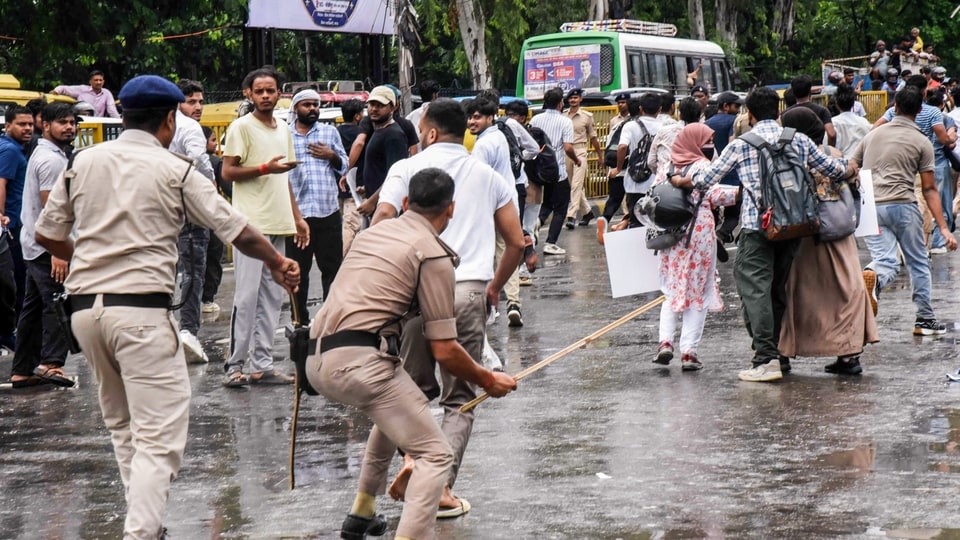
In Maharashtra, chief minister Devendra Fadnavis, who also holds the home portfolio, directed the home department to withdraw first information reports lodged against protesters involved in demonstrations across the state, people aware of the matter said.
Most of the protests were held in Mumbai, Pune and Nagpur on July 23-24 in solidarity with the Cockroach Janta Party’s (CJP) agitation at Delhi’s Jantar Mantar and against the July 20 police crackdown on demonstrators.
The cases were largely related to unlawful assembly. On Monday, the CJP demanded the release of all arrested protesters and withdrawal of FIRs, warning it would resume protests if the government failed to provide a written assurance. An official familiar with the matter said a large number of them students have been impacted. “Although the number of cases is not yet available, it is expected to run into dozens.” He added, “There is no legal provision to simply withdraw an FIR. Due process must be followed.”
Also read:
SC order brings relief to protesters in West Bengal
In West Bengal, all 16 people arrested after clashes during a protest in central Kolkata on Friday were granted bail on Tuesday. Lawyers said the accused were initially sent to judicial custody but secured bail after the top court’s intervention. “The matter was heard by the chief judicial magistrate earlier during the day. Later there was a development and the Supreme Court passed an order. We then moved the CJM court again. All the persons who were arrested in the case were granted bail by the court,” a lawyer aware of the proceedings said.
Earlier in the day, a Supreme Court bench led by Chief Justice of India (CJI) Surya Kant said the violence during recent student protests warranted a “thorough, fair and impartial” investigation. The court directed the immediate release of minors arrested during the demonstrations and restrained police from taking coercive action against protesting students or making their personal data public.
Following the order, the West Bengal government said no coercive measures would be taken against students participating in protests. “The protection shall not extend to persons having criminal antecedents, as mandated in the SC’s order,” the state home department said in a statement.
Also read: Two more held in Kolkata protest violence over NEET paper leak, police reconstruct crime scene
Bihar, Assam initiate release of arrested protesters
In Bihar, the government initiated legal steps to withdraw 64 FIRs linked to student protests and secure the release of those arrested across the state. Police had detained 694 people during a July 25 stir organised by student groups in support of the CJP protest, with at least 405 still remaining in judicial custody.
“We have informed the concerned courts in the districts about the state government’s decision to withdraw all 27 FIRs related to students’ protests over the NEET paper leak case in Patna today. There are certain formalities and we expect the release of all those arrested will start from Wednesday onwards,” Rajesh Kumar, public prosecutor at the Patna district and sessions court, said.
Assam also decided not to take any adverse legal action against those involved in the protests. The state government said five cases registered in connection with the demonstrations will be withdrawn and the process had begun to release 13 arrested persons
“No adverse legal action will be initiated by any of the police authorities within the state against those persons who have been involved in these protests,” said the statement signed by Ajay Tewari, additional chief secretary to the state’s home and political department.


