
 E-Paper



What happens now to PM, CM removal bills? Committee to review proposed laws after Oppn spat with Amit Shah
Since these bills propose action on mere allegations, Opposition has called these violative of Constitution; Amit Shah pitched bills as anti-corruption move

 Prefer HTon Google


In a step that was not entirely off-script, the BJP-led NDA government has referred to a joint parliamentary committee (JPC) the three bills that propose laws to remove the PM, CMs and ministers in states and UTs, if they are arrested for over 30 days on charges that carry jail sentence of at least five years.
Since these bills speak of action on mere allegations, not requiring proven guilt, the Opposition has called these violative of the Constitution.
Also read | Why bills on PM, CM removal are being opposed as 'squarely destructive'
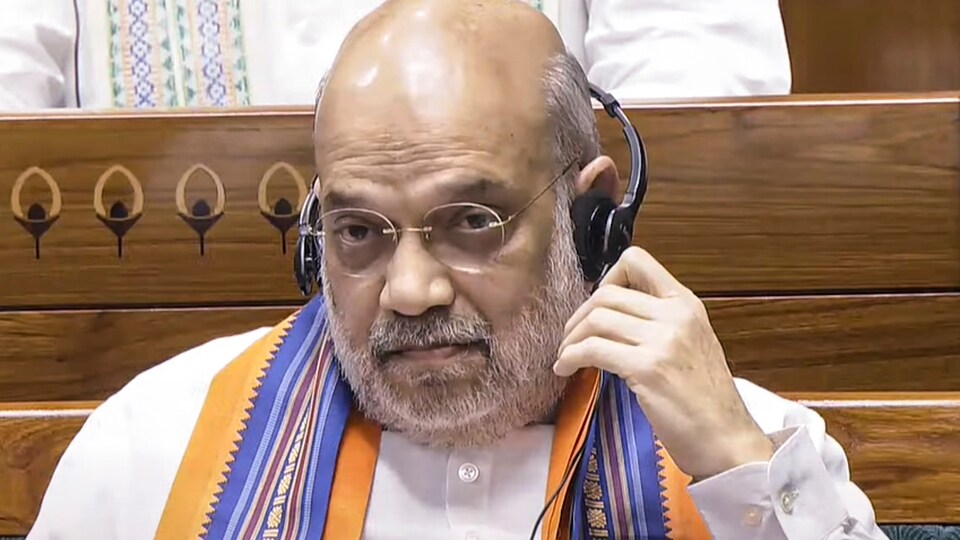
The reference to the JPC, which was already on the government's agenda, was made after Opposition MPs raised a huge uproar in the Lok Sabha as union home minister Amit Shah sought to table the bills.
These are: The Constitution (One Hundred and Thirtieth Amendment) Bill; the Government of Union Territories (Amendment) Bill, 2025; and the Jammu and Kashmir Reorganisation (Amendment) Bill, 2025.
Amit Shah, while pitching these bills as an anti-corruption measure, moved a resolution to send these to a committee that will have 21 members from Lok Sabha and 10 from Rajya Sabha, from both the government and the parties in opposition. The resolution was passed by a voice vote.
What will committee do, and by when?
Such a committee's recommendations are advisory in nature, and not binding on the government.
The committee in this case has been mandated to submit its report to the House by the last day of the first week of the next session. That pushes the matter by around three months.
The next session is likely to be convened in the third week of November.
The committee can call experts, associations, or anyone it deems to be an interested party, to share their thoughts. Another prominent matter that is currently with a JPC, for instance, is the ‘One Nation, One Election’ proposal of the NDA government to hold the Lok Sabha and all assembly polls together.
Why does Opposition have issues with the bills?
As for the three bills that came up on Wednesday, the Opposition rose up as soon as the first one was mentioned by Shah.
Asaduddin Owaisi of the AIMIM said the Constitution is being amended to "destabilise governments".
Congress MP Manish Tewari echoed similar views, saying that one is "innocent till proven guilty".
He said: "This is against the jurisprudence of criminal justice and distorts Parliamentary democracy. The bill opens door for political misuse and throws all constitutional safeguards to the winds."
There have been recent cases when incumbent CMs — such as Arvind Kejriwal in Delhi and Hemant Soren in Jharkhand — spent several weeks in jail on corruption allegations, and said they were targeted by the Centre by misusing the CBI and ED.
(with PTI inputs)


