
 E-Paper



Air pollution in Maharashtra sees significant drop during Covid-19 lockdown
The fall in NO2 levels is largely due to the sharp drop in fossil fuel combustion in transport, industrial and energy sectors after the lockdown.

 Prefer HTon Google


Latest satellite data on air quality two weeks before and two weeks during coronavirus lockdown show a big improvement in the air quality, mainly for nitrogen dioxide (NO2) levels, in major Maharashtrian cities such as Mumbai, Nagpur and Pune.
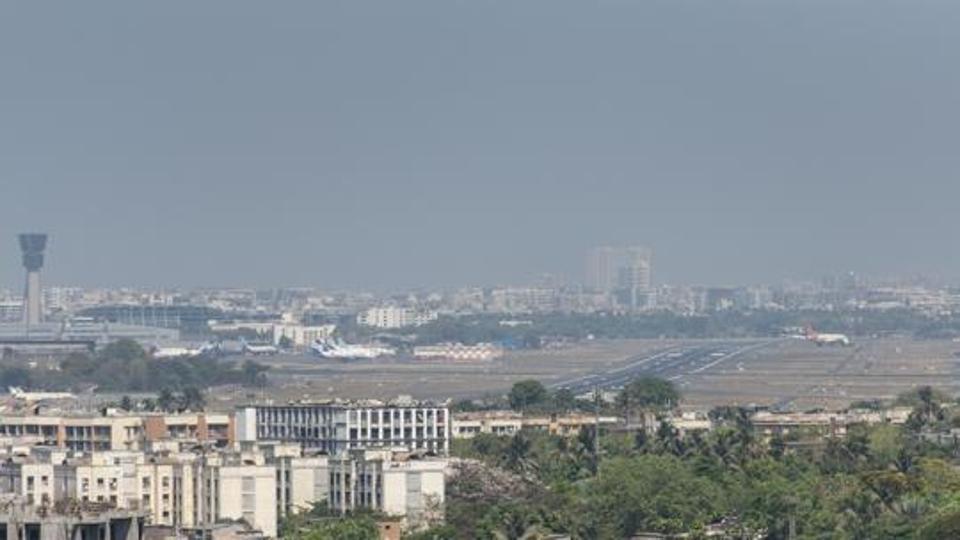
The fall in NO2 levels is largely due to the sharp drop in fossil fuel combustion in transport, industrial and energy sectors after the lockdown.
The details were released on Friday in a study assessing satellite images (TROPOMI/S5P satellite data), Central Pollution Control Board (CPCB) real-time data, electricity generation and petroleum product consumption across India by the Centre for Research on Energy and Clean Air (CREA). An overall 18% reduction was recorded in petroleum products use during March 2020 as compared to March 2019.
On April 2, HT had reported that an 81% decline in NO2 levels was recorded over six weeks (February 17 to March 29) across 10 real-time stations in Mumbai. The same was also visible through satellite images (also the first study for the Mumbai region using satellite images post-lockdown).
The present study compared NO2 concentration between March 11 - 24 (before the lockdown) and March 24-April 7 (during the lockdown) and identified hotspots over major cities in India and industrial zones with high coal combustion. In the latest study, CREA observed a 71% drop in NO2 levels for Mumbai between March 24 to April 7 as compared to the previous two weeks (March 11-24) while Navi Mumbai saw a 62% drop as per the CPCB data. A similar significant reduction was recorded for Nagpur and Pune during this time, the study said.
“Drastic reduction in NO2 over these cities post lockdown show that we can achieve breathable air and clear skies with emission reduction, and not necessarily by taking drastic measures such as shutting down all sources,” said Sunil Dahiya, Analyst, CREA, adding, “By adopting emission load reduction or efficient emission control across sources such as vehicles, industries, petrochemical refineries and power plants, we achieve clean breathable air.”
Formed from the burning of coal, oil, and emissions from vehicles and diesel generators, toxic gases like NO2 worsen respiratory conditions and have detrimental effects on the central nervous system, especially the brain due to short term impacts, said Dr Arun Kumar Sharma from the University College of Medical Sciences in Delhi.
In Mumbai, the Chembur-Trombay area — which has a power plant, several petroleum refineries and a fertiliser factory - is a hotspot for high NO2 levels. In the Mumbai Metropolitan Area (MMR), industries are located across Uran, Panvel, Kalyan and Bhayander covering Mumbai’s peripheral areas.
“Even as Mumbai’s air had very little NO2 concentration, emissions across Navi Mumbai and peripheral areas of Raigad district were visible even during the lockdown period in our satellite study analysis,” said Dahiya.
Considering that air pollution reduction is temporary (until the lockdown is called off) there are fears of a spike in private transport utilisation leading to higher air pollution. CREA recommended a shift from highly fossil fuel-dependent economy to clean energy-based systems, enhanced public transportation conducive for walking and cycling, and strengthening emission standards with time-bound targets under city or regional clean air action plans.


