
 E-Paper



All you need to know about Maharashtra-Karnataka border row
The border row started in 1956 and has seen several twists and turns. At the heart of the dispute is 800-odd villages in two Karnataka border districts, Gulbarga and Belgaum. The issue is pending before the Supreme Court.

 Prefer HTon Google


The leaders of Maharashtra and Karnataka are engaged in a war of words over which state should have the ownership of certain border areas. In a fresh attack Karnataka deputy chief minister Laxman Savadi demanded that Mumbai be made part of his state.
Savadi's Maharashtra counterpart Ajit Pawar said Mumbai belongs to Maharashtra and will always be its part.
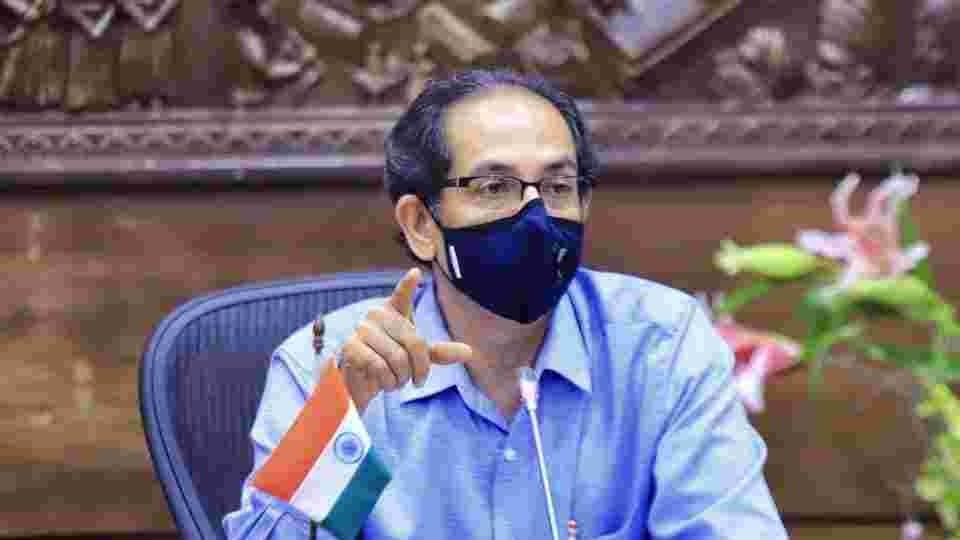
The issue is pending before the Supreme Court. Maharashtra chief minister Uddhav Thackeray had earlier said that areas in north Karnataka which are dominated by Marathi-speakers be declared a union territory till the Supreme Court gives final verdict. The dispute is pending before the top court.
Here is everything you need to know about the border dispute that has led to emotional attacks:
The origin of the border dispute and Maharashtra's claim
The border dispute has its origin in the States Reorganisation Act of 1956. The law made Belgaum and 10 talukas of Bombay State, once part of colonial Bombay Presidency, a part of the then Mysore state. The act divided states on linguistic lines and became effective from November 1, 1956.
Maharashtra opposed the move arguing that Belgaum, Nipani and Karwar had a majority of Marathi speaking population and should have been part of the state. The actual dispute is over 800-odd villages in two Karnataka border districts, Gulbarga and Belgaum.
The Marathi speaking people in these areas have been protesting for inclusion in Maharashtra for five decades and have often alleged that Karnataka government has been trying to suppress their agitation as well as imposing Kannada language on them.
Karnataka's stand
The government of Karnataka has maintained that the villages are an integral part of the state. Chief minister Yediyurappa had ctiricised Thackeray's statement in which he said that areas of Karnataka where Marathi-speaking people are in majority will be incorporated in Maharashtra.
Yediyurappa said it is painful that the chief minister of Maharashtra is trying to sabotage an amicable atmosphere.
The Karnataka government has said that it considers the Mahajan Commission report to be final on the issue.
What is the Mahajan Commission report?
The government of India had constituted the commission in 1966 under the chairmanship of former former Chief Justice of India Mehr Chand Mahajan at the insistence of the Maharashtra government.
A year later, when the Mahajan Commission gave its report, it recommended merger of some villages in Belgaum district in north Karnataka with Maharashtra, but rejected merger of Belgaum. While Maharashtra rejected the report, Karnataka welcomed it and has ben pressing for its implementation.
What is MVA government doing?
The Shiv Sena-led Maharashtra Vikas Aghadi (MVA), which is the ruling alliance in the state, is keen to take up the issue. Ajit Pawar, a leader of MVA constituent Nationalist Congress Party (NCP), had said earlier that Sena founder Balasaheb Thackeray had struggled his entire life to unite Maharashtra by including Belgaum, Karwar and Nipani.
Chief minister Thackeray too had said in a tweet on January 17, “Including Karnataka-occupied Marathi speaking and cultural areas in Maharashtra will be the true tribute to those who were martyred in the boundary dispute. We are united and committed towards it.” Incidentally, the day was observed as martyrs day by Maharashtra Ekikaran Samiti, the organisation fighting for the inclusion of Marathi speaking areas in Maharashtra.


