
 E-Paper



An enduring republic
Born in 1950, the Republic of India has braved tough times –– through scarcity, violence and war. Every 11 years since becoming a Republic, the country has entered a new phase –– each decade marked by growth, struggle and resolve. On its 77th Republic Day, HT looks back at some of the key challenges and achievements of the years gone by, and what we expect from the future

 Prefer HTon Google


You are not midnight’s child. You were born a little more than two years later, on January 26, 1950, in an independent country, a Republic. You had a tryst with destiny. The road ahead would be tough, but hadn’t you finally emerged, bleeding but triumphant, from a servitude that had lasted centuries?
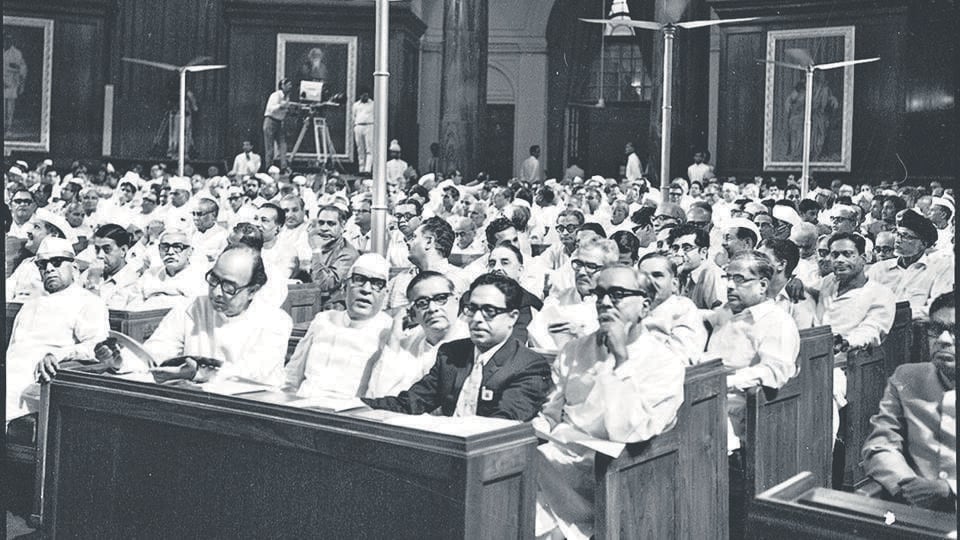
By the 11th Republic Day, things are progressing. Not as fast as you’d like, but still. There is electricity, for those lucky enough to live in a city. For the rest, it is the Prabhat kerosene lamp once darkness falls. For the well-off, there may even be a Murphy radio at home, a five-valve, all-wave model that cost a princely ₹340. You listen to Ameen Sayani’s countdown on the Binaca Geetmala with the rest of the family; Haal Kaisa Hai Janab Ka rules the airwaves. There is this new film called Mughal-e-Azam, due to be released in August. You listen in as India loses to Richie Benaud’s Australian team 2-1, but console yourself with the fact that Gulabrai Ramchand’s Indians has won their first test match against the world’s strongest team, courtesy of a miraculous spell by Jasu Patel, 9-69 in the first innings of the Kanpur Test.
It is 1960. You probably hear elders discuss the Nanavati case, or the creation of Maharashtra and Gujarat. There are films by Satyajit Ray (Devi), Mrinal Sen (Baishey Shravana), Ritwik Ghatak (Meghe Dhaka Tara) being talked about. In south India, the superstars rule: MGR, NTR, Sivaji Ganesan, Prem Nazir, Vyjayanthimala, Savitri, Padmini, B Saroja Devi.
By the 22nd Republic Day, a lot has changed. Jawaharlal Nehru has died; his daughter Indira Gandhi is prime minister. There is a war brewing, as East Pakistan demanded separation from its western counterpart. There is currency shock, as the US exits the gold standard.
Then, India wins its first Test series in England, on the heels of another series win in West Indies the previous year. There is finally self-sufficiency in food production, no small feat for such a young country. Still, on the ground, jobs are hard to come by.
By the time 1982 and the 33rd Republic Day rolls around, it’s all about television. The Asian Games, featuring a dancing elephant named Appu as mascot, are everywhere. Colour broadcasts begin. Indira Gandhi is prime minister again, the horrors of Emergency forgotten or forgiven. Children don’t drink Ostermilk and Ovaltine. It’s Bournvita and Complan. Ram and Shyam fight crime with rolls of Poppins sweets.
But all is not well. There is trouble brewing in Punjab, as the Akali Dal joins hands with Jarnail Singh Bhindranwale to launch a Dharam Yudh Morcha. There are rumblings in Assam as well. Meanwhile, Mithun Chakravarthy prances his way to immortality with Disco Dancer, succeeding Raj Kapoor as the face of Indian film in the Soviet Union and elsewhere. Kamal Haasan and Rajinikanth battle for box-office supremacy in Tamil Nadu, and old stalwarts NT Rama Rao and A Nageswara Rao find a young challenger named Chiranjeevi nipping at their heels.
In 1993, it’s the 44th Republic Day, you are older, and you’ve seen some hard times. The country’s gold had been pawned, pledged to Bank of England and the Union Bank of Switzerland. Then two unlikely heroes, a colourless politician and a mild-mannered economist, take charge. The mood is electric. The Licence Raj is dead. Stockbrokers are the new superstars. Even the fall of Harshad Mehta and the exposure of securities fraud does little to dampen the optimism.
You have already survived the destruction of the Babri Masjid the previous year, and the blasts and riots that follow. Then, the Indian cricket team wins the 1993 Hero Cup. We are many; we are one.
Madhuri Dixit sings to millions about what’s behind her choli. A new antihero named Shah Rukh Khan looks like he’s going to make a name for himself. In Bangalore, 64-year-old Dr Rajkumar showed he is more than a match for actors far younger, with Aakasmika packing theatres for weeks on end.
Eleven years later, its 2004, the 55th year of the Republic and your optimism hasn’t dimmed. India’s software companies supply engineers to the largest conglomerates in the world. Y2K and stock options have made millionaires of salaried employees. There are Porsches and BMWs on the roads. Towering office buildings and massive gated communities sprout around cities. Single malts, exotic fruits and cheeses start to sell at local stores. Bangalore and Hyderabad are the new hubs.
India is an emerging superpower. This is also Shah Rukh Khan’s year: Veer Zaara, Main Hoon Na and Swades rake it in at the box office. Indipop is everywhere, boosted by music channels such as MTV India and Channel V.
In 2015, by the time of the 66th Republic Day, you are restless in a way you haven’t been before. You carry the world in your pocket now: a smartphone glowing with notifications, arguments, approval. A new prime minister speaks of ambition, scale and speed; slogans promise cleanliness, strength, a manufacturing boom, renewal. Start-ups are the new lottery tickets. Taxis arrive at the tap of an app. Shopping no longer requires a street. Neither does outrage. Debates spill from television studios into timelines, hardening quickly into camps. You cheer as India reach the World Cup semi-final, then shrug off the loss.
Cinema, as always, offers spectacle. Baahubali rewrites the grammar of scale, while Hindi films flirt with conscience and controversy. Comedy is sharp until it isn’t. History feels louder, closer, more contested. You are richer, louder, faster than you were — but also angrier, more certain, less patient. Growth is no longer the question. Direction is.
It’s 2026. The 77th Republic Day. And it is a confusing time. The IT boom appears to have run its course. AI threatens layoffs and job cuts. An unpredictable United States has upended the world order, and because you are so integrated with the world economy, everything has impact. The online world threatens to take over the real. You wonder if it’s your age, but you are deeply cynical. You watch your favourite YouTube channels instead of meeting friends; you forward messages on WhatsApp, and rail against “enemies”.
You’ve been through tough times, through scarcity, violence and war. What’s different this time? You don’t know. The future will be ugly, messy, perhaps even bloody.
But one things is certain.
You will endure. You always have.
K Narayanan writes on films, video games, books and, occasionally, technology. The views expressed are personal


