
 E-Paper



Ayodhya's Korean connection: How an Indian princess united two nations
Queen Heo, also known as Suriratna, was the cherished princess of Ayodhya. Historical records suggest that she journeyed to Korea and married King Suro.

 Prefer HTon Google


The 'pran pratishtha' ceremony at the Ram temple in Ayodhya will take place on Monday with invitations extended to representatives from over 50 countries. Among the invitees is Kim Chil-su from South Korea, a member of the Queen Heo dynasty.
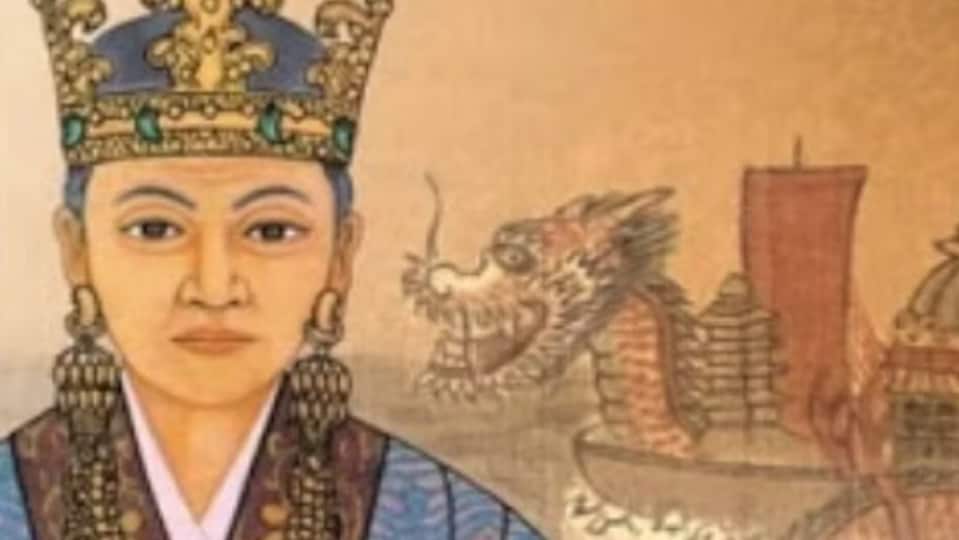
Queen Heo, alternatively known as Suriratna, was the cherished princess of Ayodhya, a report by the Economic Times said. Historical records suggest that she journeyed to Korea and married King Suro. The event is believed to have occurred in 48 AD and is acknowledged in South Korea and India. King Suro, who established the Karak dynasty in 42 AD, was Queen Heo's spouse.
Legend has it that Queen Heo's parents had a dream in which a voice directed them to send their daughter to the place Geumgwan Gaya, as King Suro was in search of a queen. Responding to the dream's guidance, the couple sent their daughter on a boat with gifts to meet King Suro. The princess met the king, leading to their eventual marriage.
Prime Minister Narendra Modi, underscoring the historical ties between Ayodhya and South Korea and the international significance of the Ayodhya-Lord Ram connection, extended an invitation to the First Lady of South Korea to visit Ayodhya.
Raja Ayodhya Bimlendra Mohan Pratap Mishra, often referred to as the 'King of Ayodhya' and currently a member of Ram Janmabhoomi Theertha Kshetra Trust, recounted in a 2018 interview with The Times of India the rekindling of ties between Ayodhya and South Korea in the mid-1990s.
He mentioned that in 1996, a delegation from Inje University visited Ayodhya to trace Queen Heo's lineage. In 1999, they extended an invitation to him to visit the capital of South Korea, where he was honored with the highest recognition. He expressed pride in having played a crucial role in strengthening the ties between India and South Korea.
In 2001, the Uttar Pradesh government, in partnership with Gimhae City in South Korea, established the Queen Huh Memorial Park in Ayodhya. Encompassing around 2,000 square meters, the park features a meditation hall, pavilions dedicated to the queen and king, pathways, a fountain, murals, and audio-video facilities. Subsequently, numerous descendants of Queen Heo from the Karak dynasty have been making visits to India.
South Korean Ambassador to India Chang Jae-Bok said last year that Ayodhya was "very important" for both counties. "The legend about an Indian princess marrying a Korean king 2,000 years ago has an Ayodhya connection, as one of our history books has a mention of a princess from Ayuta. I don't know if Ayuta is Ayodhya but it's Ayuta in Korean language. It is generally assumed that Ayuta was Ayodhya or Ayodhya was Ayuta", he said.


