E-Paper



Ayush ministry , WHO collaborate for regional traditional medicine action plan
The plan focuses on safe and effective use of traditional medicine service, including Ayurveda and other Indian traditional systems of medicine, and its appropriate integration into national health care systems


Ayush ministry and World Health Organization South East-Asia Regional Office have signed a letter of exchange to implement its regional traditional medicine action plan. For this, an Ayush expert would be deputed to WHO’s regional traditional medicine programme,
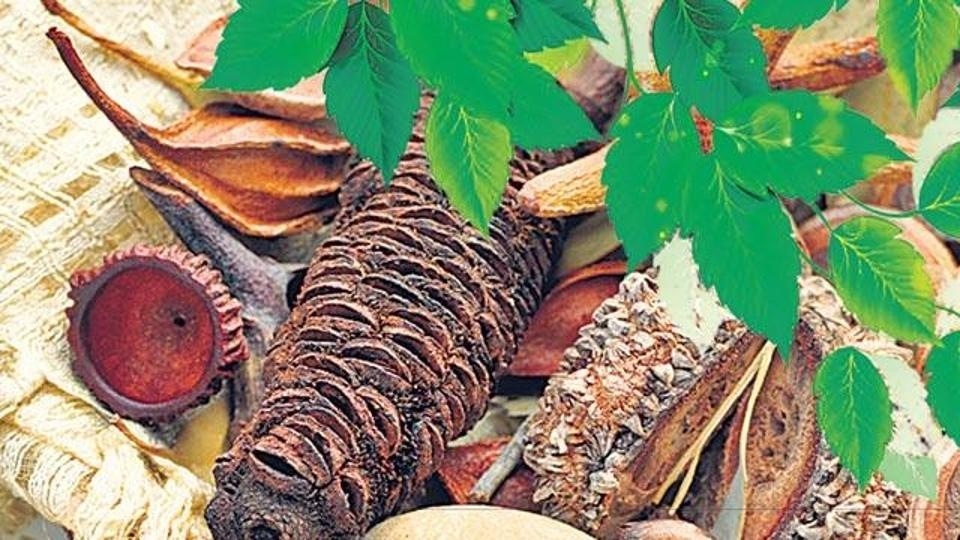
The plan that was signed on Monday focuses on safe and effective use of traditional medicine service, including Ayurveda and other Indian traditional systems of medicine, and its appropriate integration into national health care systems.
“Efforts will also be made to strengthen capacities of countries of WHO South-East Asia in the area of traditional medicine,” WHO statement read.
This partnership will help countries in the South-East Asia Region develop policies and implement action plans to strengthen the role of traditional medicine.
Also Read | Qualified Ayush doctors can prescribe immunity boosters for Covid patients: SC
“The close collaboration of WHO and the Government of India goes back many decades, to the Basic Agreement both parties concluded on July 16, 1952, to fulfil mutual responsibilities in a spirit of friendly cooperation. Today’s agreement will formally extend this cooperation into the area of traditional medicine, which is a valuable tool in our shared quest to achieve universal health coverage,” said Poonam Khetrapal Singh, regional director, WHO South East-Asia Regional Office .
Ayush ministry and WHO will assist countries develop appropriate policy or regulation framework, exchange of information and activities performed for integration of traditional medicine in public health and dissemination of information to the community.
Also Read | Centre plans push for Ayurvedic, allopathic tourism in country
“Ayush ministry has already had various interaction with the WHO in the field of Ayurveda, Yoga and other Indian traditional systems of medicine, and these Indian systems are getting more popular and being accepted as medicinal system in the South-East Asia, Africa, Europe, and Latin America etc. The partnership would work towards identifying challenges faced by the member countries of the region in regulating, integrating and further promoting traditional systems of medicine in their respective countries,” said Vaidya Rajesh Kotecha, Ayush secretary.