
 E-Paper



Cabinet gives nod to ₹2,602 crore Wildlife Habitats Development scheme
The Union Cabinet has approved the Integrated Development of Wildlife Habitats scheme for the 15th Finance Commission cycle for an overall outlay of ₹2,602.98 crore.

 Prefer HTon Google


The Union Cabinet has approved the Integrated Development of Wildlife Habitats scheme for the 15th Finance Commission cycle for an overall outlay of ₹2,602.98 crore.
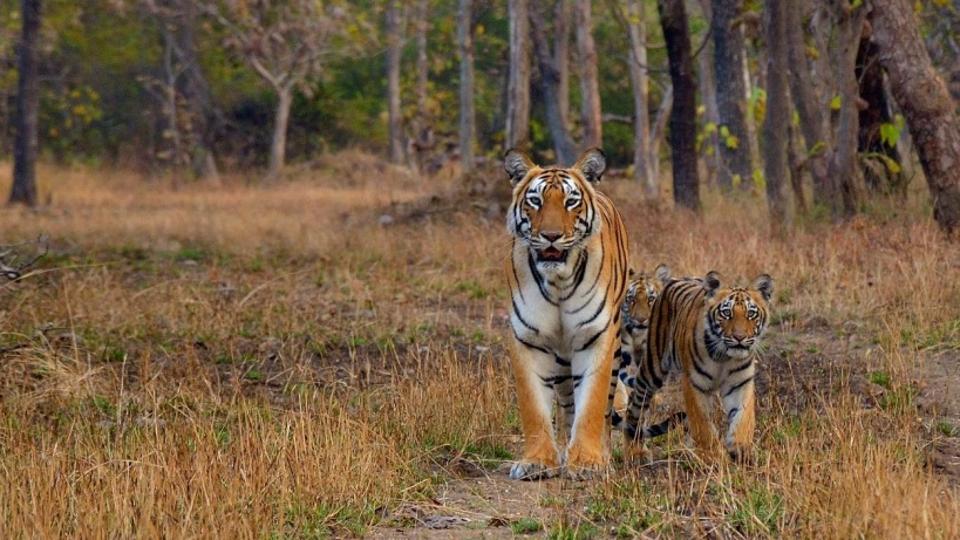
The Cabinet gave its nod during a meeting chaired on September 11, the environment ministry said in a statement on Saturday.
The centrally sponsored scheme includes critical components such as Project Tiger, Project Elephant and Development of Wildlife Habitat.
The scheme envisages to boost technological interventions in different thematic areas over the current and next financial year in tiger and other wildlife habitats, the statement read.
According to the overally outlay, the Centre allocated ₹1,575 crore for Project Tiger, ₹182.58 crore for Project Elephant and ₹845.4 crore for Development of Wildlife Habitat.
The continuation of the scheme reiterates the commitment of the government towards tiger and wildlife conservation ensuring that economy and ecology grow together, the ministry said.
Project Tiger currently uses technology such as the M-STrIPES (Monitoring System for Tigers, Intensive Protection and Ecological Status) mobile application for day-to-day management practices. It is extensively used for collection of field level ecological data during the 5th cycle of the All-India Tiger Estimation in 2022, the ministry said.
The All-India Tiger Estimation itself is technologically intensive with the extensive deployment of camera traps across tiger habitats of the country. This exercise also makes use of Artificial Intelligence (AI) for species level identification. Conservation genetics has also been significantly used in the field of tiger conservation wherein a SOP for translocating tigers based on their genetic composition has been issued, it added.
The Project Dolphin under the Development of Wildlife Habitat component is proposed to be supported by provisioning equipment such as Remotely Operated Vehicles (ROVs) and passive acoustic monitoring devices for enumeration of dolphins as well as their habitat. Project Lion, also under the ambit of the Development of Wildlife Habitat, will be strengthened as per activities envisaged in the document titled “Lion @ 2047: A vision for Amrut Kaal”, the statement read.
The environment ministry also said the human-elephant conflict under the Project Elephant component is envisaged to leverage information and communication technology interventions. While these have been tested on an experimental basis, the same shall be deployed on a larger scale as part of the project.
“55 tiger reserve, 33 elephant reserves and 718 protected areas and their zones of influence stand to benefit. The forests of these areas are a bulwark against the adversities of climate change besides ensuring water security of the nation. In addition, the cause of keystone species occupying these landscapes, especially the tiger, the elephant, the cheetah, the snow leopard and the lion, which act as an indicator of these ecosystems will be furthered,” the ministry added.


