
 E-Paper



Centre to Supreme Court: 'Waqf not essential part of Islam'
The Supreme Court was hearing a clutch of petitions, filed by politicians and Muslim bodies, against amendments to the Waqf law.

 Prefer HTon Google


Defending the Waqf (Amendment) Act, 2025, in the Supreme Court, the Centre on Wednesday argued that waqf is indeed an Islamic concept but not an essential part of the religion. The government said in Islam, waqf means "just charity".
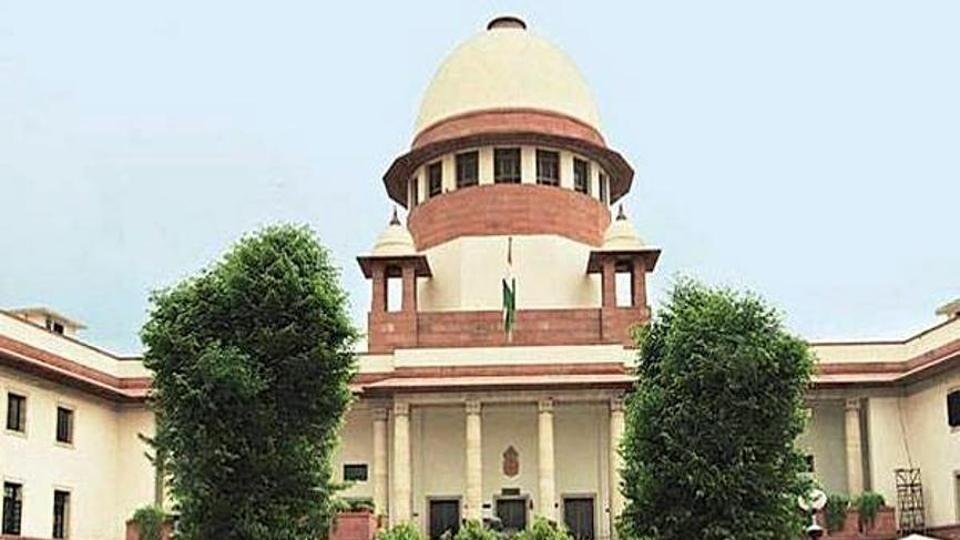
"Waqf is an Islamic concept. But it is not an essential part of Islam. Waqf is nothing but just charity in Islam," said Solicitor General Tushar Mehta today, arguing before Chief Justice BR Gavai and Justice Augustine George Masih.
He added that "charity is recognised in every religion, and it cannot be regarded as an essential tenet of any religion".
The Supreme Court was hearing a clutch of petitions, filed by politicians and Muslim bodies, against amendments to the Waqf law, which were ratified by President Droupadi Murmu last month.
Centre argues against ‘waqf by user’ concept
Arguing against the waqf by user concept, Mehta said nobody could claim rights over public land by using the principle, which was a statutory right and the law could take it away.
"Waqf by user" refers to a concept where a property is recognised as waqf based on its long-term use for religious or charitable purposes, even without formal documentation.
“Waqf by user is not a fundamental right, it is a creature of statute, and what the legislature creates, it can also take away,” he said.
He added that a stay on the provision that abolishes "waqf by user" on unregistered properties would defeat the purpose of the legislation, which was enacted to end usurpation of government land.
Also read: ‘Courts cannot interfere unless glaring case made out’: CJI Gavai's remark on Waqf Act
He further said that nobody has the right over the government's land.
Addressing concerns that district collector-level officers would decide on disputes over waqf property, he said these officials will not determine the property's ownership finally. He said the eviction or takeover of property could only occur after due process through the Waqf Tribunal proceedings (under Section 83) and subsequent appeals.
He also said that the bill was passed after deliberations.
Also read: What is Waqf Amendment Bill and why is Opposition against it?
"There has been an unprecedented level of consultation. It's not the case that this was done behind closed doors. Many of the suggestions made by stakeholders were either incorporated or reasonably rejected," Mehta added.
Addressing the concerns over the inclusion of non-Muslims in the Central Waqf Council, he said only four non-Muslims out of 22 members will be allowed in these panels.
“Non-Muslims can also be aggrieved or affected or beneficiary, and this is the reason that non-Muslims have been included,” he explained.
With inputs from PTI


