
 E-Paper



Chhattisgarh govt to rehabilitate people who migrated during Salwa Judum
In 2006, Salwa Judum, which in Gondi means ‘Peace March’ or ‘Purification Hunt’ was essentially a counter-insurgency group from within tribals to take on the Maoists. It was supposed to be a peace mission and was launched by Mahendra Karma, a former Communist turned Congress leader in June 2005.

 Prefer HTon Google


Chhattisgarh chief minister Bhupesh Baghel, on Monday, said that the villagers of Bastar who had migrated to Telangana and Andhra Pradesh during Salwa Judum were ‘welcome’ to move back and attempts would be made for their rehabilitation in the state.
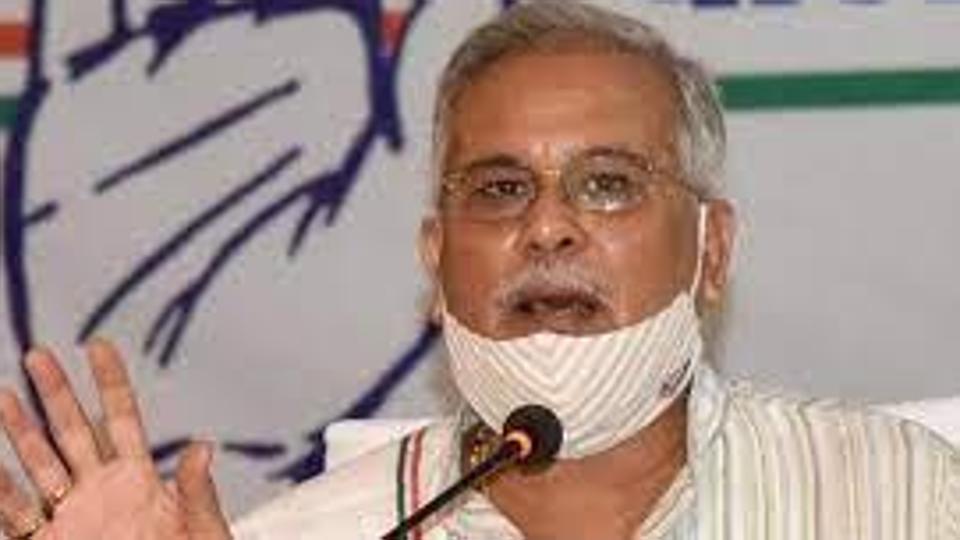
A statement issued by the public relations department indicated that the Chhattisgarh CM made this announcement during a discussion with a delegation of people who had migrated from Sukma, Bijapur and Dantewada districts to the neighbouring states, at the time of Salwa Judum.
In 2006, Salwa Judum, which in Gondi means ‘Peace March’ or ‘Purification Hunt’ was essentially a counter-insurgency group from within tribals to take on the Maoists. It was supposed to be a peace mission and was launched by Mahendra Karma, a former Communist turned Congress leader in June 2005.
Later, Judum led to massive armed conflicts between Salwa Judum tribals and Maoists, leading to countless deaths and displacement in the region. According to some activists working in Bastar region, around 55,000 tribals migrated to erstwhile Andhra Pradesh during Judum.
On 5 July 2011, the Supreme Court declared the militia to be illegal and unconstitutional, and ordered its disbanding.
“The Chhattisgarh government will chalk out an action plan to create a conducive environment for the rehabilitation of displaced people back in Bastar region,” said the CM in the meeting.
The statement further said that during the meeting with the CM, the delegation requested a suitable location for rehabilitation of the people returning from other states and also to provide them land for agriculture.
“In response to their request, the CM said that the state government will provide all kinds of basic facilities including ration shops, schools, employment, along with the land to the people who will return to the state,” the release added.
Activists believe that the announcement of rehabilitation by the government is a good gesture but not everyone is keen to return to Bastar.
“Announcement of rehabilitation by Chhattisgarh is a very good sign but not everyone will be keen to shift next to police camps. The Centre should initiate a conversation with other states to discuss wider rehabilitation plans in other states where these displaced people are living for more than 15 years and don’t feel safe to return,” said Shubhranshu Chaudhary, a tribal rights activist, who is heading a non-governmental organisation called ‘The New Peace Process’.
-kW0H-U20214218012MgB-250x250%40HT-Web.jpg)


