
 E-Paper



Amid furore over oxygen-linked deaths, C’garh to audit Covid fatalities
This comes days after opposition parties accused Union minister of state for health Bharati Pravin Pawar of misleading Parliament by saying no state reported such fatalities even as oxygen crisis in part defined the devastation of the second wave


The Congress-ruled Chhattisgarh will audit Covid-19-related deaths amid the controversy over the fatalities caused by the shortage of oxygen during the second wave of the pandemic, state health minister T S Singh Deo said on Friday while insisting the Centre never sought such data.
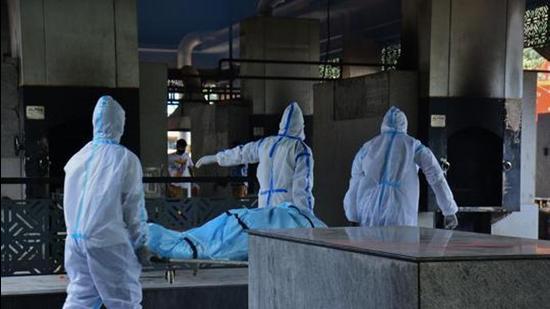
The decision comes days after opposition parties accused the Union minister of state for health Bharati Pravin Pawar of misleading Parliament by saying no state reported such fatalities. The Congress on Thursday moved a breach of privilege motion against Pawar for allegedly misleading Parliament over the deaths. To be sure, no state has so far said there have been deaths on account of a shortage of oxygen during the brutal second wave of the pandemic in April and May, and while the minister’s statement can be targeted for its insensitivity, it is technically correct.
Deo comments echoed comments of ministers in various states that have maintained that while their own province saw no deaths caused by oxygen shortage, others did. Deo said Chhattisgarh is a state with surplus oxygen, but added that in states such as Delhi and Uttar Pradesh, people died due to lack of oxygen. Deo said the oxygen production capacity of Chhattisgarh is 388.87 MT and the peak consumption reported was 180 MT on April 26.
But the minister added that his government wants to behave responsibly. “So, we are going to audit each and every Covid-19 death. For Chhattisgarh, we are responsible and hence we will... bring out the truth. We are also open for inputs from the citizens.” He asked NGOs, members of civil society, and journalists to bring any relevant information to the government’s notice.
“I also urge the central government to conduct a similar audit,” he added.
The Bharatiya Janata Party has maintained health is a state subject and that the Centre just collects the data from the states, and does not generate it.
Delhi health minister Satyendar Jain this week also attacked the Centre, saying it was “completely false” to say no one died for want of oxygen. “If no deaths occurred due to oxygen shortage, why did hospitals move high court one after another every day? Hospitals had been saying that oxygen shortage led to deaths. The media flagged this issue daily,” Jain told reporters.
The Delhi government has pointed out that it set up a committee to collect data on such deaths but the Centre got the panel disbanded through the lieutenant governor.
-kW0H-U20214218012MgB-250x250%40HT-Web.jpg)


