
 E-Paper



CJI Surya Kant calls for stigma-free rehabilitation of children
CJI Surya Kant said children needing care and protection must not face stigma or humiliation, stressing dignity and confidentiality in rehabilitation.

 Prefer HTon Google


Chief Justice of India (CJI) Surya Kant on Saturday said that a child in need of care and protection should not be exposed to humiliation, stigma or exclusion or else the institutions meant to provide for their rehabilitation will become the reason for such victims to remain silent.
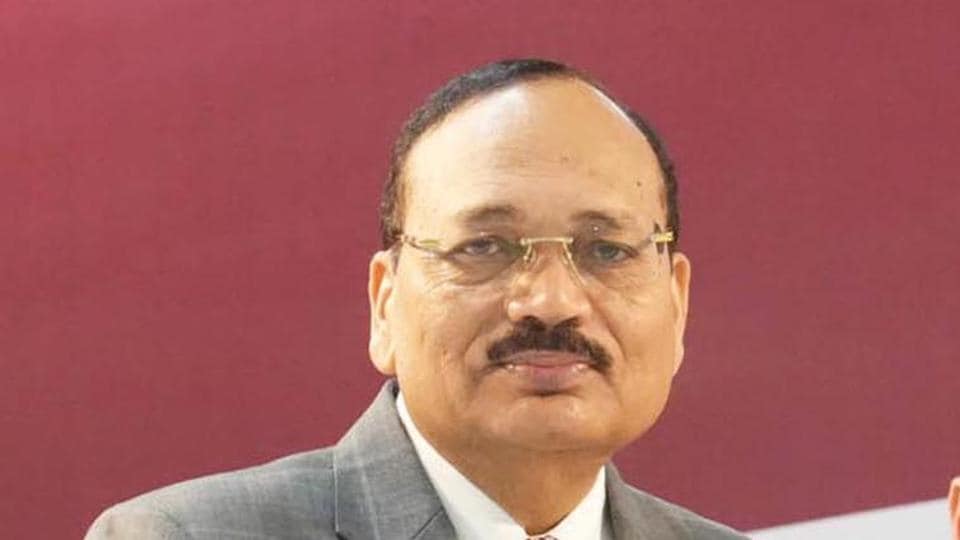
Stating that confidentiality and dignity lie at the core of an effective rehabilitation of children in need of care and protection, CJI said, “A child should not have to carry a permanent label because of a period of vulnerability. If seeking assistance exposes a child to humiliation, stigma or exclusion, the systems intended to provide protection may themselves become a reason for silence.”
Underscoring that agencies tasked with ensuring the rehabilitation of such children should adopt a “child-sensitive” approach, the CJI said the need is to re-integrate children by restoring their childhood and protecting not only their physical and mental well-being but also their dignity and sense of self-worth.
CJI was addressing a seminar on “Restoring Childhood, Preventing Drug Abuse and Re-integration of Children in Need of Care and Protection” in Patna.
Also Read: Supreme Court seeks Centre’s reply on curbs on social media use by minors
The Supreme Court has been dealing with the rising concern of substance abuse among children, as he quoted an August 2026 study published in The Lancet Regional Health – Southeast Asia, which estimates that more than one in five teenagers in India are at moderate-to-high risk of substance use.
Stating there are numerous reasons why a child may encounter substance abuse, justice Kant said, “We must resist the tendency to define a child by the problem that has brought the child before us.”
“Substance abuse among children must therefore be understood not only as a public health concern, but equally as a child-protection concern…It is how we ensure that a child who encounters it does not lose the opportunity to grow, learn, recover and belong,” CJI said.
Also Read: Punishment not sole aim of Juvenile Justice Act: HC
The response to perpetrators of such crimes should differ from the response when child victims come before the court. CJI said, “The law must respond firmly to those who exploit children and circulate drugs.”
Seen in this backdrop, CJI explained that the real measure of rehabilitation is the restoration of the child’s place within the society, received by the community without stigma. “The judiciary, government, police, health and education systems, child-care institutions, legal services authorities, academia and civil society each hold part of the answer, and no single institution can provide the whole response,” he added.
Later in the day, CJI Kant took part in an open-house dialogue with students of Chanakya National Law University (CNLU), Patna, along with Patna high court chief justice V Kameswar Rao and CNLU vice chancellor Faizan Mustafa.


