
 E-Paper



China builds villages near LAC, strengthens military facilities
By the end of 2020, many border villages in the remote region were better connected to highways, and all had access to mobile communication, according to the policy paper titled Tibet Since 1951: Liberation, Development and Prosperity.


China has combined a policy of building villages close to the Line of Actual Control (LAC) from Xinjiang to Bhutan while simultaneously bolstering military facilities and creating dual-use infrastructure such as airports to keep up the pressure on India, people familiar with the developments have said.
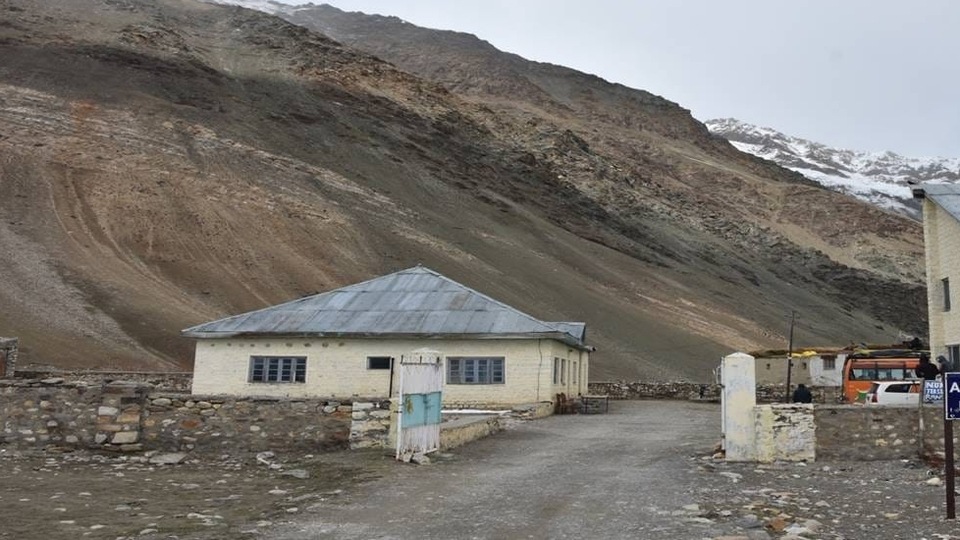
Details of the way in which China systematically pumped in money for almost a decade to build “villages of moderate prosperity” along the 4,000km border of Tibet, most of which aligns with the LAC, emerged in a new policy paper on Tibet Autonomous Region released by the Chinese State Council Information Office on Friday.
By the end of 2020, many border villages in the remote region were better connected to highways, and all had access to mobile communication, according to the policy paper titled Tibet Since 1951: Liberation, Development and Prosperity.
Indian security agencies, too, have gathered extensive information on the campaign to speed up building of border villages along the LAC, ranging from Xinjiang to Arunachal Pradesh. “Residents are moved into the villages, mostly located in disputed regions, from other areas. Some are at a short distance from strategic features on the Indian side of the LAC,” one of the people cited above said.
“We have received inputs on such villages coming up on the western sector of the LAC in Xinjiang and Tibet and the eastern sector in Arunachal Pradesh. The worrying aspect is the new pressure on Bhutan in the eastern sector of its border with China, which appears to be aimed at making Bhutan give up territory in the Doklam region.”
The pressure on Bhutan is being mounted apparently with an eye on the planned 25th round of boundary talks with China, dates for which are yet to be decided, the people said.
Several villages have come up in the tri-junction between India, Bhutan and China, and a new village is said to have come up close to Longju, near Arunachal, which witnessed the first clash between India and China in 1959, according to India-based Tibet expert Claude Arpi.
The policy paper said 118,800 km of highways were built to provide access to all administrative villages in TAR. Ninety-four percent of towns and 76% of administrative villages have direct access to asphalt and concrete roads.
Sameer Patil, fellow for international security studies at Gateway House, said: “China had the first mover advantage by beefing up border infrastructure on its side some years ago. Then the Indian side began strengthening infrastructure.... The Chinese side’s thinking appears to be that they were losing the advantage and are now undertaking a host of measures to retain that.”


