
 E-Paper



CISF foiled attack on Uri hydropower at the start of Operation Sindoor
Hours after India launching Operation Sindoor, Pakistan unsuccessfully targeted India’s Uri hydroelectric plant near the line of control(LOC) , but the attack was foiled and there was no damage, India’s Central Industrial Security Force, responsible for protecting strategic installations said in a statement on Tuesday.

 Prefer HTon Google


Hours after India launching Operation Sindoor, Pakistan unsuccessfully targeted India’s Uri hydroelectric plant near the line of control(LOC) , but the attack was foiled and there was no damage, India’s Central Industrial Security Force, responsible for protecting strategic installations said in a statement on Tuesday.
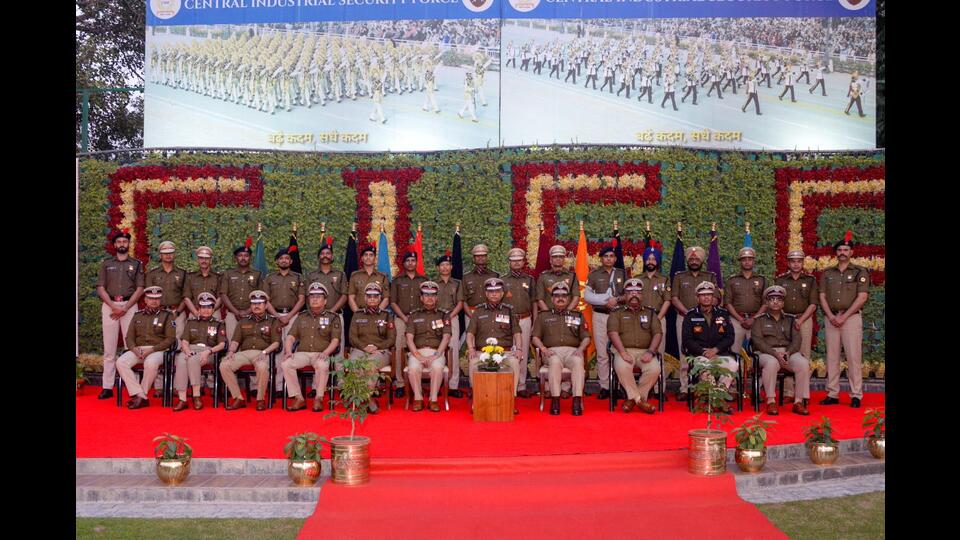
CISF’s statement came in the context of its Director General’s disc being awarded to 19 personnel on duty at the Uri Hydro Electric Power Projects (UHEP- I and II) that night, who neutralised drones targeting the installation and evacuated civilians amid gunfire from Pakistan.
The 19 personnel were awarded the prestigious DGs disc at a ceremony in CISF headquarters in New Delhi on Tuesday.
Sharing details of what happened on the night of May 6 CISF said, “Operation Sindoor, conducted by the Indian Army during the intervening night of May 6-7, 2025, targeted terrorist hideouts across the Line of Control(LOC) in Pakistan-occupied Kashmir. In retaliation, the Pakistan Army launched intense and indiscriminate shelling on Indian territory, endangering vital infrastructure, including the Uri hydro-power projects, and threatening nearby civilian populations. Positioned barely a few kilometres from the Line of Control (LoC), CISF units at the NHPC installations found themselves at the forefront of this sudden escalation.”
CISF said that despite heavy gunfire the team under Commandant Ravi Yadav and the Deputy Commandant started protective measures to shield the installations and the surrounding township. “During the most volatile phases of the exchange, CISF troops neutralised hostile drones targeting the installations and secured armoury stockpiles by swiftly redistributing weapons to prevent potential destruction. Throughout the crisis, the integrity of critical national assets remained intact due to their vigilance and preparedness. As shells struck close to residential complexes, CISF personnel undertook door-to-door evacuation of civilians—including women, children, NHPC staff and their families—often amidst ongoing shelling.”
An officer aware of what transpired at Uri during Operation Sindoor said that the hydro power project was among the first to be targeted. “The Uri projects are right at the LOC so it was the first to be targeted. The government’s intelligence network was strong and the troops on the ground were prepared. Not only were drones shot down but a massive evacuation was also done without any loss of life.”
Operation Sindoor marked New Delhi’s direct military response to the April 22 Pahalgam terror attack in which 26 people were killed. India launched the operation in the early hours of May 7 and struck terror and military installations in Pakistan and Pakistan-occupied Kashmir (PoK) before the May 10 ceasefire.


