
 E-Paper



Co-nurture regional populations with the help of science
The study says 44 species of threatened birds won’t be well protected in 2050 if business as usual continues. It suggests China prepare for a climate-altered scenario by declaring water bodies as Ramsar sites, including those that are dynamic.


India is shaken up by the terrible tragedy at Sambhar Lake, where almost 60,000 birds dropped down dead last month. A likely cause is Botulism, or bacterial poisoning. At the same time, a new research by Jie Liang et al on climate proofing threatened birds in China study holds a lesson for India.
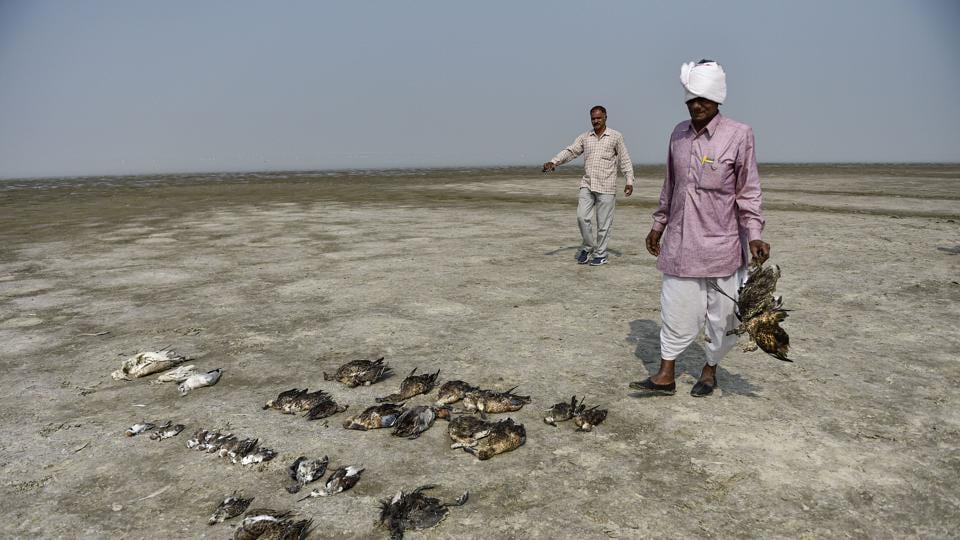
The study says 44 species of threatened birds won’t be well protected in 2050 if business as usual continues. It suggests China prepare for a climate-altered scenario by declaring water bodies as Ramsar sites, including those that are dynamic.
It asks for neighbourhood cooperation on data and regional conservation and predicting newer hotspots as the impacts of climate change settle in.
Nothing concrete has been agreed upon at this point, to prevent further Botulism. But clearly, no country can afford to host mass deaths, depleting world populations.
India should take a leaf out of the China study and prepare to climate adapt for avian conservation. It should unhesitatingly conserve water bodies, whatever type they might be, and update its data base on the basis of sightings.
Citizens’ science is a rich source of knowledge here. It should work with the region to expand conservation. The Amur Falcon, widely hunted in Nagaland, is a case in point. With conservationists almost ending the hunting, regional conservation should be next. The bird breeds in China-and flies by India to Africa every winter. It’s a great test case for regional work. Let’s use science for nurturing.
(Bharati Chaturvedi is founder and director, Chintan Environmental Research and Action Group)


