
 E-Paper



Countdown to India’s Saarc satellite take-off on track: 5 things to know about ISRO’s latest launch
The satellite, which PM Modi describes as India’s “priceless gift” to Saarc countries, will give each country access to at least one transponder for telecommunication.

 Prefer HTon Google


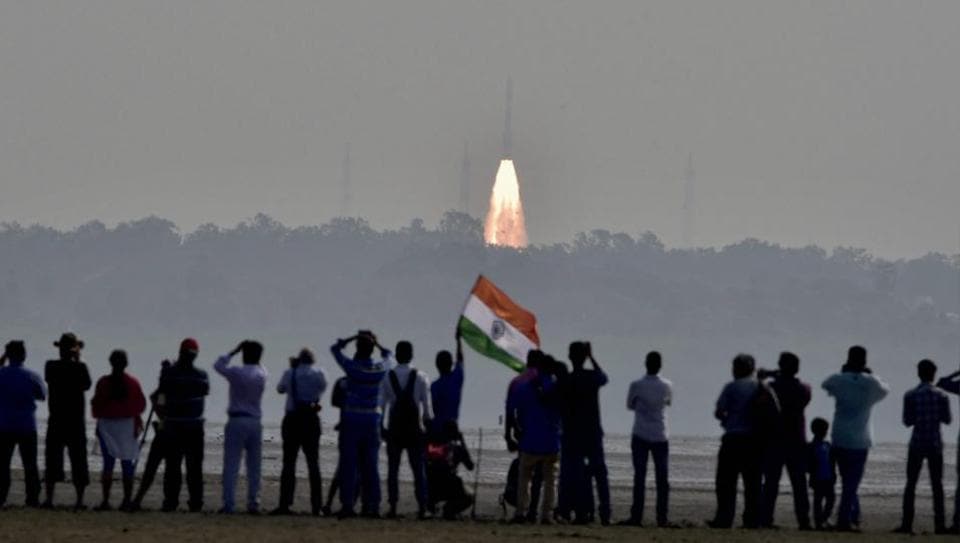
India’s South Asia Geostationary Communication Satellite (GSAT-9) communication satellite to boost connectivity among all Saarc countries except Pakistan, will take off at 4:57pm on Friday from the second launch pad at the Satish Dhawan Space Centre at Sriharikota, 135 km outside Chennai.
Seven of the eight participating Saarc countries include India, Sri Lanka, Bhutan, Afghanistan, Bangladesh, Nepal and Maldives. Pakistan opted out saying it has its “own space programme”.
“We have the launch at 4.57 PM in the evening... All activities are going on smoothly,” said ISRO chairman AS Kiran Kumar. “The 28-hour countdown operations of GSLV-F09/GSAT-9 mission started at 12:57 hours on Thursday.”
The GSAT-9, which India’s Prime Minister Narendra Modi described as a “priceless gift to our Saarc neighbours” in his Mann ki Baat on April 30, will piggyback on the Indian Space Research Organisation’s (ISRO) Geosynchronous Satellite Launch Vehicle (GSLV-09).
Status check
1. The satellite cost Rs 235 crore and has a mission life of 12 years. The lift-off mass is about 2,230kg, and includes the satellite and its launch vehicle.
2. The satellite will provide improved communication, mapping terrain and natural resources and disaster prediction and management.
3. It will use 12 Ku-band transponders to improve connectivity within the region to increase information sharing, telemedicine and education.
“The benefits of this satellite will go a long way in meeting the developmental needs of the countries participating in this project,” Modi said in his Mann ki Baat.
4. This is India’s eleventh GSLV launch and its fourth consecutive flight using an indigenous Cryogenic engine powering the upper stage.
India last launched a GSAT-8 communication satellite on May 21, 2011, from Kourou in French Guiana.
5. ISRO’s next big launch is the Chandrayaan-II launch in the beginning of next year.
Over the next few months, ISRO plans to launch a GSLV MK-III variant followed by Polar Satellite Launch Vehicle (PSLV) in the coming months.


