
 E-Paper



Did not prohibit Ram Temple celebrations, Tamil Nadu CM MK Stalin govt tells Madras HC
The judge heard the matter in his chambers at 9.30am, an hour before the court opens, on an urgent writ petition filed by one L Ganapathy in Chennai.

 Prefer HTon Google


The Madras high court on Monday stated that the stand of the Tamil Nadu government is clear that they have neither prohibited nor restricted singing bhajans, uttering Rama Nama, and providing annadanam (free food for poor) to celebrate the inauguration of the Ram temple in Ayodhya.
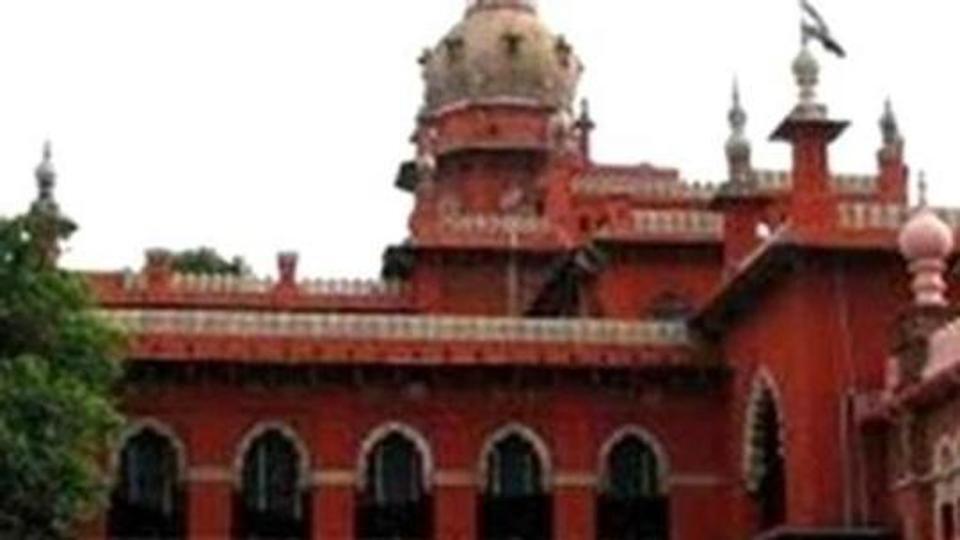
But, this has to be “done in a responsible and pious manner today without giving rise to any law and order problem,” justice V Anand Venkatesh said. “No misinformation or wrong information must be permitted to be spread and this will be kept in mind by all parties concerned. Ultimately, everyone concerned must keep in mind that bhakti towards God is only for peace and happiness and not to disturb the equilibrium prevailing in the society.”
The judge heard the matter in his chambers at 9.30am, an hour before the court opens, on an urgent writ petition filed by one L Ganapathy in Chennai. He had challenged the permission denied by the Avadi commissionerate on Sunday to conduct bhajans and annadhanam at a private marriage hall in Pattabiram. Subsequently, the commissionerate granted the permission, said additional public prosecutor A Damodharan.
Read Here: Supreme Court pulls up Tamil Nadu govt over ‘ban’ on live telecast of Ram Temple ceremony
Union finance minister Nirmala Sitharaman and BJP leaders alleged that the ruling DMK is banning celebrations in Tamil Nadu but the state refuted the allegations.
The state also recorded its stand on the matter. “The functions, bhajans, annadhanams that are conducted in private enclosures like mandapams, private temples and any other private place etc., does not require any permission from the police,” the state said, adding that organisers can make arrangements for live streaming of the Pran Prathishta at Ayodhya. If there was a possibility for the function to spill over from a private space to a public space, the police had to be informed to take measures to keep the situation under control and to ensure that public access is not disturbed.
If such functions are planned to be conducted within the temples, which are within the control of the department of the Hindu Religious and Charitable Endowments (HR&CE), an official of the department had to be informed and permission will be granted subject to “reasonable conditions imposed”. If the police are of the opinion that the local situation is sensitive, they can impose restrictions and ensure that the function does not lead to any unnecessary law and order issued.
The matter was then disposed off.


