Differences on the Ukraine crisis won’t impact ties between India and Europe, though it is important to oppose Russia’s aggression to avert similar incidents in other parts of the world, German ambassador Walter Lindner said on Wednesday.
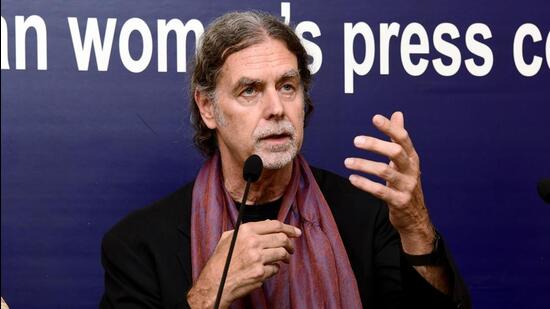
Germany has “never really pressured India” over its position on the conflict in Ukraine, and European states have sought to inform India that the Russian invasion could have far-reaching consequences for other countries embroiled in border disputes, Lindner said at his final media interaction before completing his term at the end of this month.
India has called for an end to the hostilities in Ukraine and a return to diplomacy and dialogue, though it has stopped short of publicly criticising the actions of Russia, a key strategic and defence partner. New Delhi has also emphasised the need to respect the territorial integrity and sovereignty of all states.
Lindner acknowledged that India has its “own history, neighbourhood, alignments and dependencies”, and that European states had wished India had been a “bit more clear on the condemnation of Russian aggression” in the initial debates on the Ukraine crisis at the UN Security Council.
Asked specifically if the differences between India and Europe on the Ukraine conflict will affect ties between the two sides, he replied: “No. To the contrary, what [Russian President Vladimir] Putin’s war has shown is that we need friends, allies and countries that...share values like democracy and freedom of movement.”
{{/usCountry}}Asked specifically if the differences between India and Europe on the Ukraine conflict will affect ties between the two sides, he replied: “No. To the contrary, what [Russian President Vladimir] Putin’s war has shown is that we need friends, allies and countries that...share values like democracy and freedom of movement.”
{{/usCountry}}The Ukraine crisis has resulted in a greater push for alignment and agreements between India and the European Union (EU), including negotiations for a free trade agreement and coordination at international bodies, said Lindner, who served as Germany’s foreign secretary during 2017-19.
Without directly referring to China, he added, “But we also understand India’s position…and we never really pressured India on that. What we wanted to get across is the simple fact that there’s a danger in principle [that] if you allow an aggressor – in this case, Putin’s war – to attack and assault its neighbouring country, violating the sovereignty and all the norms without consequences, then we are in trouble in the future because there are so many nations which have border disputes or some kind of hiccups with neighbours.”
Lindner said that if Russia doesn’t face consequences for its actions in Ukraine, then “every future aggressor will decide to follow Putin’s example”. German Chancellor Olaf Scholz, French President Emmanuel Macron and others have sought to get this point across to India, he said.
“If one person turns completely made, then it’s time to say stop by everyone in the world who has any influence on Putin,” he said, adding the Russian leader’s behaviour shouldn’t be condoned by anyone.
Putin, he said, made several errors in his calculations, including thinking that Ukraine would give up within weeks and that the Western countries and NATO were divided. Countries such as Finland and Sweden are doing a rethink about joining NATO because the organisation alone can defend them against aggression, he said.
The EU has been extremely critical of the Russian invasion and has imposed six packages of crippling economic sanctions against Putin and his aides for the attack on Ukraine. Lindner further acknowledged that sanctions are “never a good solution” but are very necessary in the current context to “show someone like Putin that this has to stop”.
The sanctions, he said, are meant to “prevent Putin and other Putins in future”. He added that other leaders around the world may act in a similar fashion if “Putin gets away with it” and it is “crucial that this war is not won by Putin”.