
 E-Paper



8 new IITs short on all performance, administrative & infra parameters: CAG
The CAG looked into the activities of eight IITs in Bhubaneswar, Gandhinagar, Hyderabad, Indore, Jodhpur, Mandi, Patna and Ropar between 2008 and 2009.


New Delhi: The eight new Indian Institutes of Technology established in 2008-09 have fallen short on almost all performance, administrative and infrastructure parameters, an audit by the Comptroller and Auditor General has found.
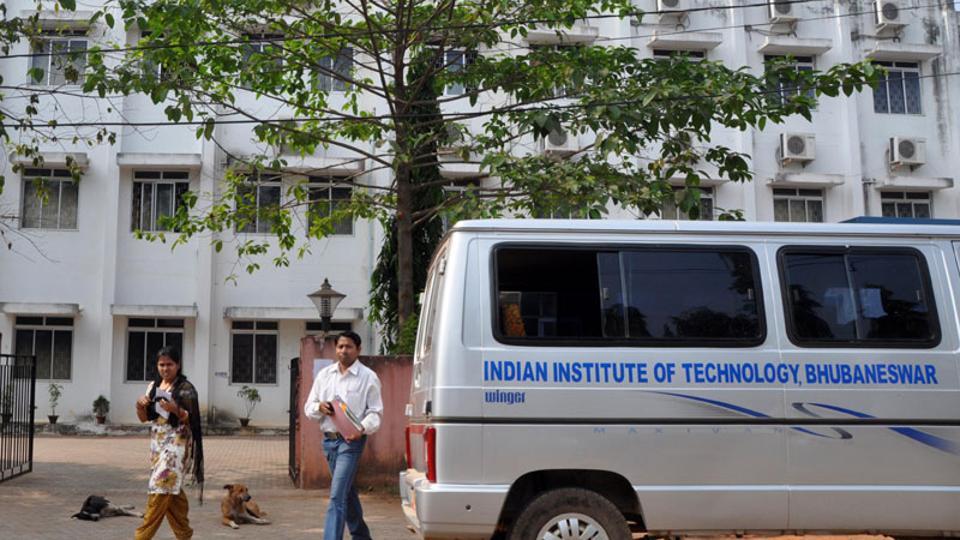
They faced infrastructure challenges, recorded less enrolment against available seats, had an inadequate faculty to student ratio, did not have enough representation of reserved categories in student enrolment, and lagged behind in publishing research papers, the government’s auditor said in a recent report.
It looked into the activities of eight IITs in Bhubaneswar, Gandhinagar, Hyderabad, Indore, Jodhpur, Mandi, Patna and Ropar between 2014 and 2019. The report was submitted in Parliament during the winter session, which concluded last week.
According to the audit report, which HT has reviewed, none of the IITs attained the stipulated cumulative intake of 2,360 students each at the end of the sixth year (2013-14).
“As against the overall targeted intake of 18,880 students, only 6,224 students (33%) were admitted in all the eight IITs during the first six years,” the report said. “Further, it was observed that till 2018-19, only IITH (Hyderabad) was able to achieve the targeted student intake.”
As much as 28% seats remained vacant across the IITs in postgraduate courses during 2014-19. Only three of the eight IITs were offering research programmes by fixing annual intake, while others were accepting students without earmarking seats. But enrolment remained low in these three IITs as well. For instance, in Bhubaneswar, 80% of PhD seats remained vacant between 2014-19, 64% seats in Gandhinagar and 17% seats remained vacant in IITH.
There was inadequate faculty to student ratio in all the eight institutes in 2014-19. Inadequate faculty to student ratio may adversely affect the quality of education and increase the workload on existing faculty in these premier IITs, the auditor said. “This would also constrain their research activities,” it noted.
The auditor also highlighted poor representation of reserved category students. For scheduled tribes, 73% PhD seats remained unfilled in Hyderabad, while 100% went vacant in Jodhpur. for scheduled caste students, the shortfall was significantly higher at more than 50%) in all IITs, except in Hyderabad and Bhubaneswar, where it was 25% and 28%, respectively, the report said. For other backward classes, the shortfall was high in Gandhinagar (37%), Ropar (36%) and Mandi (32%), the report said.
The new institutes failed to attract non-governmental sponsored projects, reported large variance between the patents filed and obtained, and lagged behind in the publication of research papers, the CAG report said.
It also pointed out that in some of these IITs, including Bhubaneswar, Gandhinagar, Mandi and Ropar, issues in allotment and transfer of land persisted even after a decade of their establishment, and this led to issues with providing planned facilities to the students. The audit also said that some state governments did not make the requisite land available to the IITs.
In their responses submitted through the education ministry, most of these IITs cited unavailability of suitable candidates for vacant seats and faculty positions. Some cited “limited infrastructure” as a reason behind not increasing the intake capacity of students, or fixing PhD seats. In terms of low representation of reserved category students, they cited lack of applications as the reason. The IITs said efforts are being made to increase the number of patents and publish more research papers.
Responding to low representation of reserved category students, IITGN said, “Despite adopting measures like waiver of tuition fee, peer group assisted learning, lower application fee, relaxations given during shortlisting and admission process, seats remain vacant because enough suitable candidates are not found.”
In terms of research papers publication, IITBBS in its response through the ministry said that it is “encouraging the faculty to carry out more research work and publish more research papers and as a result, the number of publications increased from year to year.”
HT tried to reach out to all these IITs. While six of them did not respond to the emails, IIT Bhubaneswar director Professor Raja Kumar said, “At IIT Bhubaneswar we had the highest BTech intake this year among all the second generation IITs. We also witnessed a three-fold increase in PHD intake post 2019. In terms of faculty recruitment, the institute is making continuous efforts of filling all the vacancies. We receive a large number of applications for faculty positions but the recruitment cannot be done overnight. We, at IIT, cannot compromise with the quality of faculty.”
IIT Hyderabad said, “The institute now has 100% marking in NIRF Ranking for Faculty-Student Ratio.”
In its recommendations, CAG asked the ministry to take work with the state governments to ensure land availability to IITs, and take steps to increase the number of courses as well as student intake. The eight IITs were asked to periodically review the availability of faculty, fix targets for enrolment in postgraduate and PhD courses, and focus more on research.
“The Ministry of Education has accepted most of the audit recommendations and has circulated these to all the IITs for acting on the recommendations,” the report concluded.
Officials at the ministry confirmed that the recommendations were circulated across these IITs.
“The ministry will closely monitor that these recommendations are implemented by these IITs,” said a senior official at the higher education department of the ministry.


