
 E-Paper



Electoral bonds: Why did Supreme Court strike down poll funding scheme? Landmark verdict in 10 points
The Supreme Court struck down the electoral bonds scheme that allowed anonymous political donations, ahead of the Lok Sabha election 2024.

 Prefer HTon Google


The Supreme Court on Thursday, in a big setback for the Bharatiya Janata Party, struck down the electoral bonds scheme, saying it violates the right to information and the freedom of speech and expression under the Constitution.
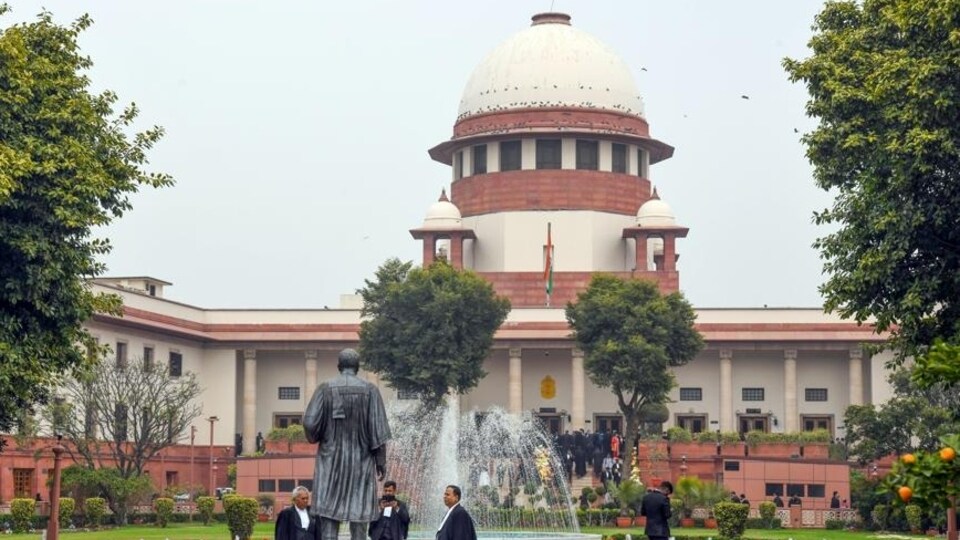
The bench was ruling on a batch of pleas challenging the legal validity of the Central government's electoral bonds scheme, which allows for anonymous funding to political parties. At the beginning of the judgment, Chief Justice of India DY Chandrachud said there are two opinions, one by himself and another by Justice Sanjiv Khanna and both arrive at the same conclusion.
A five-judge Constitution bench headed by Justice Chandrachud had on November 2 last year reserved its verdict in the matter.
Also Read | Electoral bonds verdict: The three directions issued by Supreme Court
Electoral bonds scheme: Supreme Court verdict in 10 points
- A five-judge Constitution bench headed by CJI DY Chandrachud delivered two separate and unanimous verdicts on the pleas challenging the electoral bonds scheme, delivering a major blow to the central government.
- Pronouncing the verdict, CJI Chandrachud said the electoral bonds scheme is violative of freedom of speech and expression under Article 19(1)(a) of the Constitution.
- The Supreme Court said infringement to the Right to Information is not justified to curb black money.
Also Read | Congress earned ₹171 crore through electoral bonds in 2022-23. How much did BJP make?
- The top court bench said the fundamental right to privacy also includes citizens’ right to political privacy and affiliation.
- The bench also held as invalid the amendments made in various laws, including the Representation of Peoples Act and the Income Tax laws.
- The Supreme Court ordered the State Bank of India or SBI to disclose to the Election Commission the names of the contributors to the six-year-old scheme.
- The bench directed that the issuing bank shall stop issuance of electoral bonds and the SBI shall submit details of electoral bonds purchased since April 12, 2019, till date to the Election Commission of India.
- The Supreme Court said information about corporate contributors through electoral bonds must be disclosed as the donations by companies are purely for quid pro quo purposes.
- The court held that amendments in the Companies Act permitting unlimited political contributions by companies are arbitrary and unconstitutional.
- The electoral bonds scheme, which was notified by the government on January 2, 2018, was pitched as an alternative to cash donations made to political parties as part of efforts to bring transparency in political funding.
(With inputs from agencies)


