
 E-Paper



‘Few are bothered…’: Delhi HC says prisons should act as ‘correctional bodies’
The Court observed that it is time that the authorities of the prisons, which are correctional homes, act as guardians of the prisoners for their health and safety and not merely consider themselves as guards of the inmates.


The Delhi High Court said the plight of prisoners in a democracy sheds light on the State as to how should it care for them since very few are bothered about those in jail, and added that prisons are correctional institutions and they should be known as such.
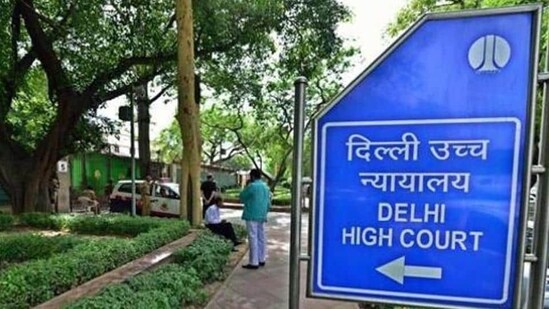
The attitude of the majority towards the imprisoned - under trials or convicts - is not very positive and those who speak on behalf of the prisoners are at times considered being callous towards victims of crime, said the Delhi High Court.
Also Read: 65-year-old man arrested for impersonating Delhi high court judge, duping cops
The fundamental rights should not remain on paper and it is the duty of courts to ensure that they become living law and in practicality assist, help and guide the citizens, said Justice Swarana Kanta Sharma while passing a judgement on a prisoner's plea stating that human rights have been overlooked by the prison laws and rules.
The Court observed that it is time that the authorities of the prisons, which are correctional homes, act as guardians of the prisoners for their health and safety and not merely consider themselves as guards of the inmates. The prisoners who are separated from society and family due to the Court's sentence are often unseen by the general public and their families.
In the present matter, the Delhi High Court has examined the issue regarding the payment of compensation and its quantum, to a convicted inmate of Tihar Jail who has suffered injuries i.e. amputation of three fingers of the right hand while working in the jail factory.
The petitioner, who is a life-serving convict, had sought the issuance of direction to the Jail authority to provide a functional prosthesis for the regular working of the amputated fingers of his right hand at state expense in a private hospital in which the said facility is available and to grant compensation for the loss suffered by him.
Also Read: Calcutta HC orders search in jails to check use of mobile phones by inmates
The court while passing the judgement said, the injury and disability suffered by the applicant, in this case, cannot be assessed to be lesser in pain and suffering compared to a free citizen. Pain from an injury cannot be different for a convict and a free citizen. The Court has to hear the voiceless and feel and treat the pain and suffering suffered by the convict not as the pain of a prison inmate but as that of a human being.
Under the Constitutional system of India, the Courts have always stood guard and have acted as a refuge for people who may be helpless, outnumbered, or may stand in a position of power imbalance. The Constitution of India does not permit distinction in such cases and the judicial and moral conscience of the Court advances the principles of the Constitution, said the court.


