
 E-Paper



Green Piece: The depleting forest cover across country
From Ayodhya to Rameshwaram, via endless places in Central-Western India, there isn’t no vast expanse of forest. One can’t even thrive on river water these days

 Prefer HTon Google


Whether or not you’re part of the millions who have said a prayer to Lord Ram today, you might want to dwell on the fact that it is impossible today to go into the kind of vanwas, or the arduous 14-year exile, that Lord Ram himself took.
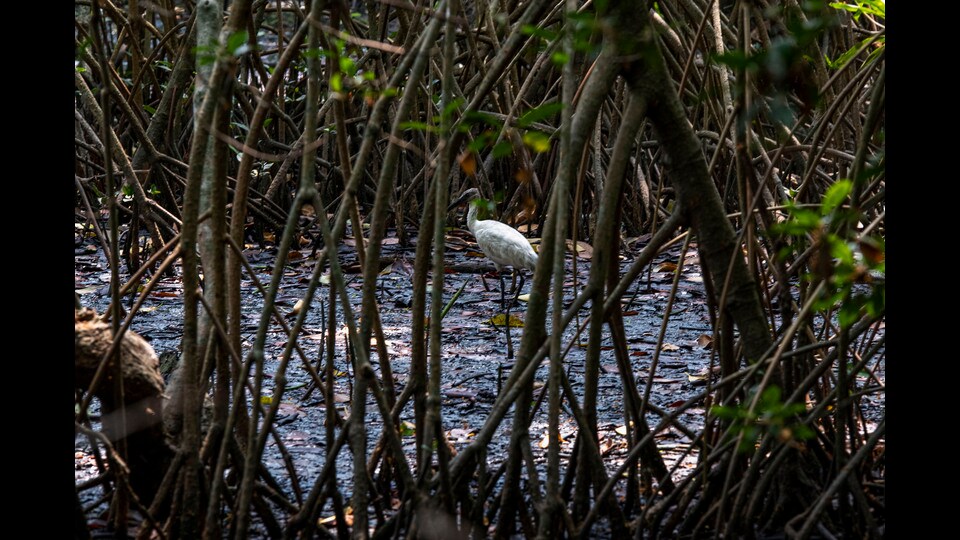
Most of us are fitter than our ancestors, with better clothing, communications and disease control. But we can’t do this because the thick forests, inhabited by wild animals no longer exist.
From Ayodhya to Rameshwaram, via endless places in Central-Western India, there isn’t no vast expanse of forest. One can’t even thrive on river water these days. Modern India has contaminated most of its rivers with sewage, industrial effluents and microplastics. During the vanwas, a reader gets the impression that often, there’s a deep silence, and no human contact for days. Today, on the route we know they took, this is just not possible. Noise pollution and the absence of rich solitude will ensure it’s impossible to authentically recreate a vanwas remotely like the original.
I am not suggesting reversing the land use -- much of India’s progress has given us a high quality life, which saves us from many previous misfortunes. Still, today is also a moment to reflect how many ecosystems, indigenous knowledge and beauty have gone away. We cannot reverse that, but we might want to think of gestures to that time, from wildlife corridors to rewilding that allow for deep, undisturbed areas. Doing this will be very hard, but it’s worth doing as a sacred act.
(The writer is the founder and director of Chintan Environmental Research and Action Group)


