
 E-Paper



Guj HC rejects petition against relief to Fatta in Hawala case
Fatta was allegedly the main conspirator in one of the biggest money laundering scams in the country.

 Prefer HTon Google


In a setback to the Gujarat government, the state high court on Tuesday turned down a revised petition filed by the state challenging the discharge of money laundering accused Afroz Fatta by a sessions court in the ₹5,400 crore alleged hawala scam.
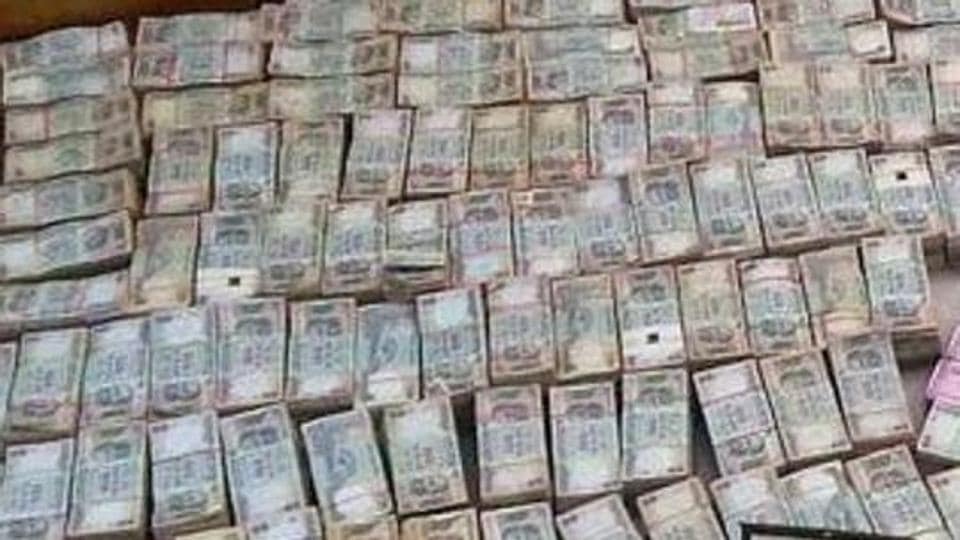
“The high court’s order came after the prosecution failed to provide any evidence that proved his involvement in the scam,” said Fatta’s advocate Chetan Pandya.
Fatta was allegedly the main conspirator in one of the biggest money laundering scams in the country.
A first information report (FIR) in the matter was registered by ICICI Bank Ltd in March 2014 with Surat police against R.A. Distributors Private Limited and others, alleging that some companies had submitted fake bills of entry for illegal outward remittances. The case was investigated by the Detection of Crime Branch (DCB), Surat, which pressed charges of cheating and forgery against Fatta.
Based on the DCB investigation, the Enforcement Directorate (ED) filed another case against Fatta under the Prevention of Money Laundering Act (PMLA), 2002. This case is pending before a PMLA court in Ahmedabad.
Also read: Gujarat man held with ₹26-lakh unaccounted cash in Zirakpur
Fatta along with Madanlal Jain, Bilal Galani, Jayesh Desai and Rakesh Kothari were alleged to have set up several bogus companies and opened bank accounts on forged documents.
“The Gujarat high court has upheld the order for discharge by the sessions court (dated June 16, 2021). The prosecution alleged that Fatta was involved in the ₹5,400 crore hawala scam where he forged documents without any export of goods. His name did not figure in the chargesheet and it only came up later in the supplementary chargesheet,” said Pandya.
In July 2014, the ED filed its first charge sheet in a special court, alleging ₹5,395 crore hawala scam. The ED had named 79 entities and individuals as suspects.
Hawala is an informal and illegal money transfer service used to fund smuggling and other rackets. In this case, the hawala money was routed through different channels between December 2013 and February 2014 to Singapore and Dubai.
During primary investigations, ED had found that using illegal channels, ₹700 crore was transferred out of India. Further probe showed the racket runs up to about ₹5,400 crore.
Also read: Gujarat to launch India’s first carbon trading market among large polluters
The prosecution claimed that Fatta transferred funds to firms based in Hong Kong and Dubai from personal accounts. He allegedly used fake bills of entry, showing diamond imports from across the world. A bill of entry is a declaration by an importer (or exporter) of the exact nature, precise quantity and value of goods that have landed or are being shipped out. It is prepared by a customs clerk or broker.
“The prosecution could provide evidence for only ₹16 crore. This money was duly tallied in the companies run by Fatta and his personal accounts. It was all audited and accounted money,” said advocate Pandya.


