E-Paper



Can't tax it as drink because consumers mix it with milk: What Supreme Court said about protein powder
The top court called on tax authorities to classify goods and products based on their form at the time of sale.

 Prefer HTon Google


Protein powder cannot be taxed as a beverage simply because consumers are expected to mix it with milk or water before drinking it, the Supreme Court has held, drawing a clear distinction between what a product is when sold and what a consumer may eventually turn it into.
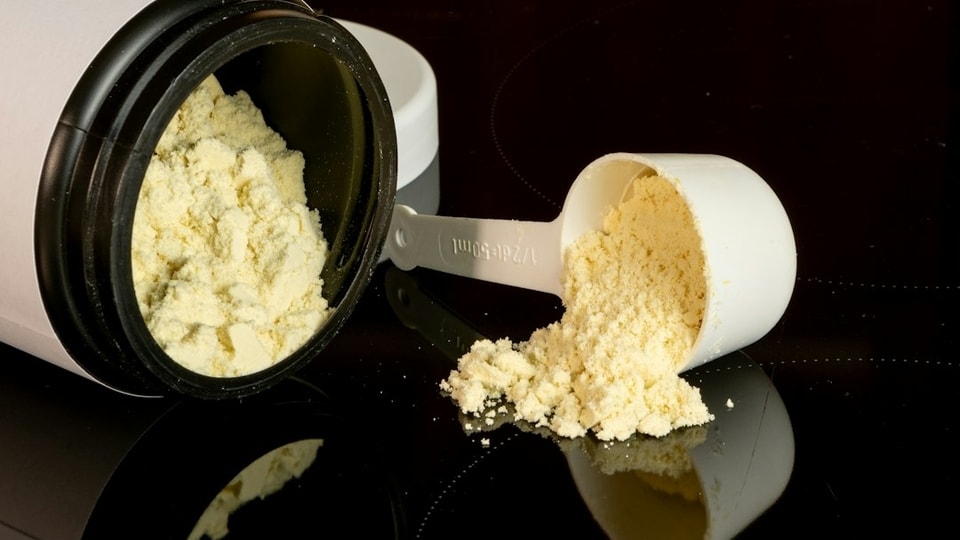
In a ruling with implications for the taxation of health supplements and powdered food products, the court said that tax authorities must classify goods according to their physical form at the time of sale, rather than their eventual use. A powder does not become a beverage merely because it can be mixed into a drink, just as the same product could be used to prepare a solid food item instead.
“Conversely, if a ready-to-drink beverage such as bottled cold coffee or a packaged protein shake is sold, the tax applicable to beverages must be imposed,” held a bench of justices Manmohan and Arun Palli on Monday, explaining why the form in which a product reaches the consumer matters for determining the applicable tax rate.
Also Read | ‘Any modified Form 6 has not been approved by us’: Supreme Court seeks records from EC on voter form changes
The judgment came in a dispute over two products, GRD Powder and GRD Mix, manufactured and marketed by Cadila Health Care Ltd. Tax authorities in Madhya Pradesh had sought to classify them as non-alcoholic drinks and beverages, attracting tax at 10%, rather than as other goods under the residuary category, which carried an 8% rate under the Madhya Pradesh Commercial Tax Act, 1994.
Dismissing the tax department’s appeals, the SC upheld the Madhya Pradesh high court’s decision in favour of the company, holding that the products, sold in powder and biscuit forms, did not qualify as beverages under the relevant tax entry.
The dispute turned on a deceptively simple question as to whether a product be taxed for what it is in the packet, or for what the buyer might make of it in the kitchen?
The court chose the former.
“The classification which determines the applicable rate of tax must be based on the form of the good at the time of sale and not on the manner in which the consumer may later choose to use it,” justice Manmohan said.
The court pointed out that protein powder could be mixed with milk or water to make a drink, but it could also be used to prepare a milk-based sweet. “The tax authorities are bound to look at what is supplied and not at what is the ‘end use’ of the good,” it said, adding that tax laws must be interpreted according to their plain wording.