
 E-Paper



Health minister Nadda reviews dengue, malaria situation; asks states to stay vigilant
The prolonged rainy season has led to a rise in vector-borne illnesses in most parts of the country.

 Prefer HTon Google


Union minister of health and family welfare, JP Nadda, on Thursday reviewed the current status of dengue and malaria outbreaks in the country, and asked states and Union Territories to remain vigilant.
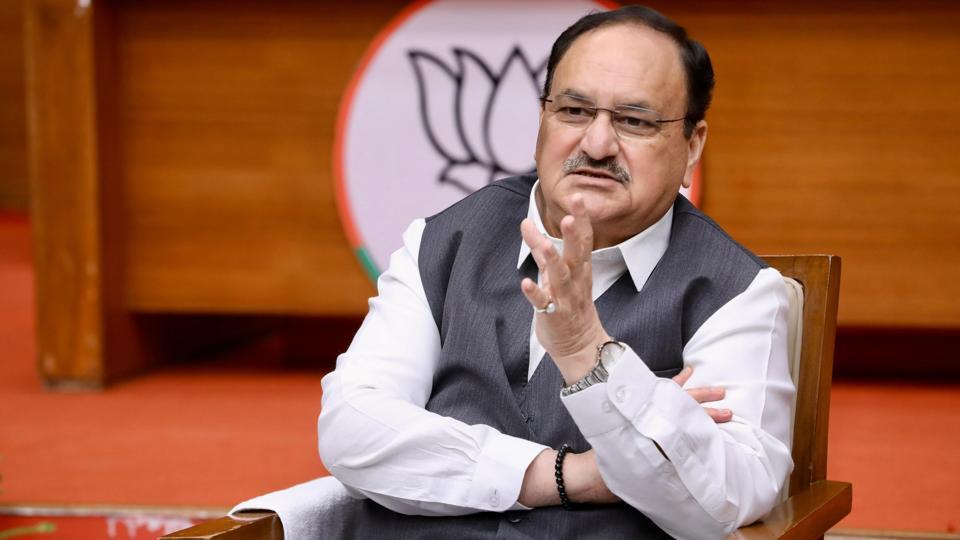
“The Union health minister reviewed the current dengue and malaria situation in the country with a view to galvanise preventive activities… During the review, the health minister took stock of the current status and key challenges in the prevention and control of dengue and malaria,” the ministry said.
Nadda urged states, local bodies, and communities to intensify preventive and control measures, particularly during this high-risk period, to safeguard public health and sustain the gains made in reducing the burden of vector-borne diseases.
The prolonged rainy season has led to a rise in vector-borne illnesses in most parts of the country, with emergency departments in most hospitals being packed to capacity.
The health minister also issued an advisory to all chief ministers urging them to remain vigilant in the coming months and to intensify preventive measures as well as community awareness activities for effective control of vector-borne diseases especially dengue and malaria.
“Nadda stressed the need for urgent and coordinated action against vector-borne diseases. He advised state health ministers to personally review the situation and prepare action plans within 20 days, while municipal corporations, panchayats and local bodies were asked to intensify community awareness drives,” read the health ministry statement.
Hospitals, including those under the central government, were advised to stock adequate drugs, diagnostics, beds and mosquito-free premises. With water stagnation from recent rains creating breeding sites, states and local bodies were asked to step up preventive measures.
“Intensive IEC (Information, Education, and Communication) and social media outreach will continue to promote community participation and personal protection. He also instructed that a high-level review meeting should also be undertaken specifically for Delhi and NCR to closely assess the dengue situation and ensure advance preparedness,” it said.
Nadda underlined that India has made significant progress in combating malaria. The country has achieved a reduction of over 78% in malaria cases and nearly 78% in malaria-related deaths between 2015 and 2024. Further, 160 districts have reported zero malaria cases between 2022-24, and 33 states and Union Territories have achieved less than one Annual Parasite Incidence.
“The government of India has launched multiple initiatives towards malaria elimination, including the National Strategic Plan for Malaria Elimination (2023-27), implementation of the Integrated Health Management Platform for real-time monitoring, enhanced ASHA incentives, large-scale distribution of Long-Lasting Insecticidal Nets, refresher trainings for laboratory technicians, and recognition of districts achieving ‘Zero Malaria’ status. India has set the goal of eliminating malaria by 2030,” the ministry said in the statement.
On dengue, the health minister said that all states and UTs (except Ladakh) are endemic to dengue and chikungunya, and the risk of outbreaks is highest in the monsoon and post-monsoon period.
“The National Dengue Control Strategy is being implemented through State Vector-Borne Disease Cells with focus on surveillance, case management, vector control, inter-sectoral coordination and community awareness,” he said.


