E-Paper



Health minister Nadda tables bill decriminalising attempted suicide in Lok Sabha
Other features of the legislation include giving advance directions on the kind of treatment a patient would need in case of psychological issues and banning the use of electric shock therapy on mentally ill children.


Union health minister JP Nadda presented a new mental healthcare bill aimed at decriminalising attempted suicide in the Lok Sabha on Friday.
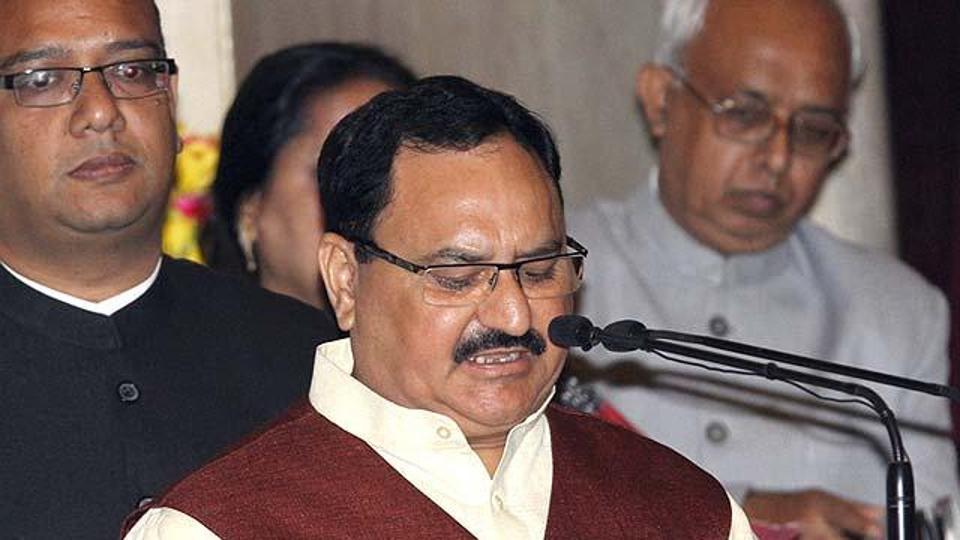
“A very important factor in the legislation is that it separates attempt to suicide from the Indian Penal Code,” he said. “Since the person undertakes the step in extreme mental stress, which means that it’s triggered by mental illness, it should not be criminalised.”
Other features of the bill – which was passed in the Rajya Sabha last year – include giving advance directions on the kind of treatment a patient would need in case of psychological issues and banning the use of electric shock therapy on mentally ill children.
“The earlier law focussed on regulations, but the new bill is patient-centric. Through wide consultations, we have ensured that the patient’s interests are safeguarded,” the minister said.
The bill also mentions keeping a check on voluntary admissions. If a patient is required to be admitted, it should be only for a specific period under the supervision of a trained psychiatrist.
An estimated 6%-7% of the country’s population suffer from mental illnesses, while 1%-2% have acute symptoms. Various stakeholders – including academia, medical experts and politicians – were consulted during the formulation of this bill, which focuses on community-based treatment.
Special provisions for women and health have also been included in the legislation, including one specifying that mothers should not be separated from their children unless absolutely necessary. While electric therapy has been ruled out for children, it may be administered in adults with the proper application of anaesthetics and muscle relaxants.
The bill also provides for ensuring healthcare, treatment and rehabilitation of people with mental illness “in a manner that does not intrude on their rights and dignity”.