E-Paper



Health Talk: Need for introducing health taxes on tobacco, alcohol, fizzy drinks
World Health Organisation (WHO) urges at least a 50% price hike on harmful products that fuels noncommunicable diseases (NCDs) by 2035 through health taxes

 Prefer HTon Google


Debate over health taxes has reignited with the World Health Organisation (WHO) launching a new initiative, ‘3 by 35’, urging countries to raise the real prices of tobacco, alcohol, and sugary drinks by at least 50% through health taxes by 2035.
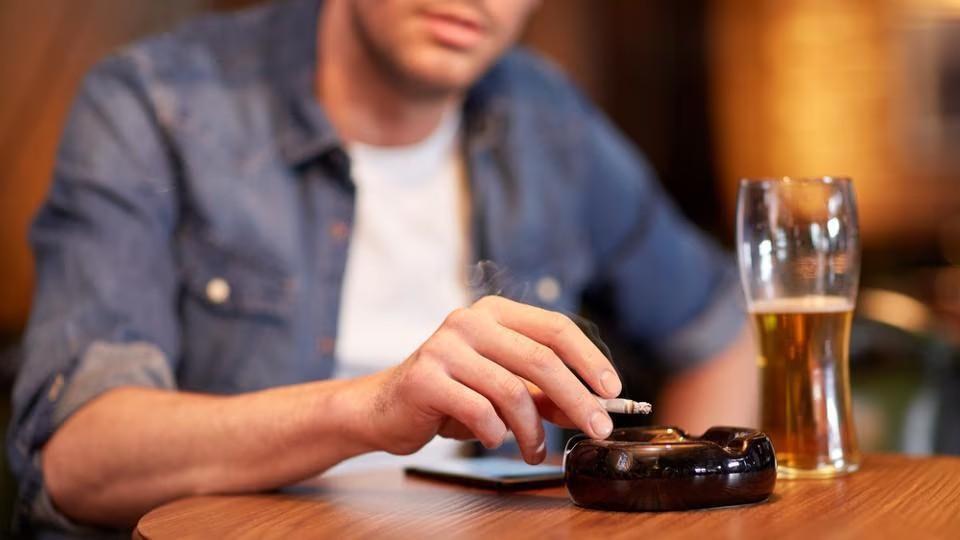
The initiative was launched on Wednesday in a bid to curb chronic diseases and generate critical public revenue in the long run, as health systems are under enormous strain from rising noncommunicable diseases (NCDs), shrinking development aid, and growing public debt, says the UN health body.
Consumption of tobacco, alcohol, and sugary drinks is fueling NCDs, including heart disease, cancer, and diabetes, which account for over 75% of all deaths worldwide.
According to data shared by WHO, a one-time 50% price increase on these products could prevent 50 million premature deaths over the next 50 years.
“Health taxes are one of the most efficient tools we have. They cut the consumption of harmful products and create revenue governments can reinvest in health care, education, and social protection. It’s time to act,” Jeremy Farrar, assistant director-general, health promotion and disease prevention and control, WHO, said.
Also Read: Sugar-sweetened beverages cause “molecular addiction” in small intestine: Study
In this year’s economic survey, released in February, finance minister Nirmala Sitharaman had recommended the imposition of a health tax on ultra-processed foods (UPFs) to curb their consumption amid growing health concerns.
Ultra-processed foods include packaged baked goods and snacks, fizzy drinks, sugary cereals, and ready-to-eat or ready-to-heat products. They often contain colours, emulsifiers, flavours, and other additives, and are typically high in energy, added sugar, saturated fat, and salt, but lack vitamins and fibre.
These foods, commonly called junk food, are becoming dominant in the global food supply, including in India. Therefore, most recent government policies dealing with health and well-being have not shied away from acknowledging how crucial it is to consider measures to curb their widespread use.
A 2023 study — estimating the potential impact of a health tax on the demand for unhealthy food and beverages and on tax revenue in India — mentioned how health taxes have been used by at least 70 countries as an effective tool for reducing the consumption of sweetened beverages.
Also Read: Sugary drinks a common factor for oral diseases, finds lancet study
On the potential impacts of health taxes on consumption and on revenues in India, the authors documented that for manufacturers of sweets and confectioneries who buy sugar in bulk and assuming a higher price elasticity of −0.70, a 20% additional health tax (total tax 48%) would result in a 13–18% decrease in the demand for sugar used for confectioneries and sweets. For sugar-sweetened beverages, a health tax of 10–30% would result in a 7–30% decline in demand. For foods high in fat, sugar, or salt, a 10–30% health tax would result in a 5–24% decline in demand. Not to mention the increase in tax revenue, which, according to the authors, would rise by 12–200% across different scenarios.
WHO also said that the initiative has an ambitious but achievable goal of raising US$1 trillion over the next 10 years. “Between 2012 and 2022, nearly 140 countries raised tobacco taxes, which resulted in an increase of real prices by over 50% on average, showing that large-scale change is possible,” a statement issued by WHO said.
The important part remains to be seen: how many more countries will commit to raising taxes on tobacco, alcohol, and unhealthy foods through health taxes.