
 E-Paper



Hire IITians, MCA grads as cyber crime sleuths: Niti Aayog report on police reforms
India’s top policy advisory body says people with expertise must be recruited to tackle “specialised crimes” in order to free up more cops for regular law and order duties

 Prefer HTon Google


Graduates from the Indian Institute of Technology (IIT) colleges or those who have a Master of Computer Applications (MCA) degree should be recruited as cyber crime investigators, India’s top policy-making body Niti Aayog suggested as part of measures to overhaul India’s police.
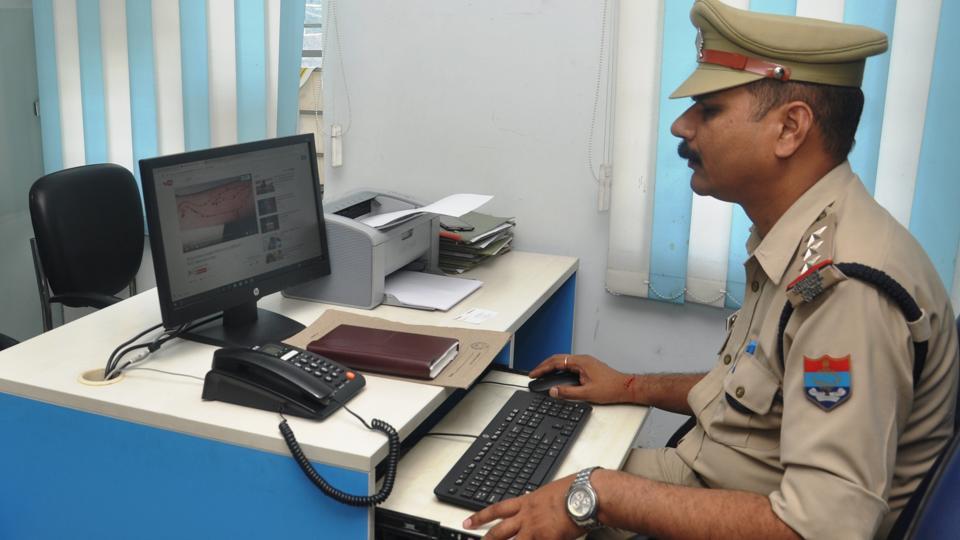
The “Building Smart Police: Background into the needed Police Reforms” report called for a new approach to “specialised crimes”, suggesting recruitment of people with expertise in roles that typical constables or sub-inspectors cannot handle.
It calls for legislative and judicial changes that will help police across the country streamline their operations, focussing on core functions to maintain law and order. India’s police are long due for sweeping reforms that can help them tackle growing work pressure and crippling staff shortage, often blamed for rising crime.
The recruitment of techies as cyber crime investigators is among ways the new approach could work. IIT or MCA graduates can be hired as sub-inspectors or inspectors in state crime investigation departments to better tackle the “highly complex nature” of such cases, the report said.
“To prevent detection, they should work in plain clothes”.
IITs are India’s marquee engineering colleges, famous for their rigorous entrance procedure and lofty pay packages for graduates.
Similar to cyber crime, social crimes can be tackled by people recruited from backgrounds such as social sciences or social work.
“Social crimes like offences related to beggary, prostitution, crimes against women, domestic violence, dowry offences, etc cannot be handled by the traditional daroga. Experts suggest that it needs to be handled by a separate wing with people like students who have graduated in Social Science/Social Work,” the report reads.
Excise, forest, transport and food departments should set up their own enforcement wings in order to free the state police, who normally help such officials.
“5th Report of the Second Administrative Reforms Commission further suggests that functions like serving court summons, antecedents and addresses verification for passport applications or job verifications etc can be outsourced to private agents or government departments. These measures will help in reducing the workload of the police,” the report adds.
The Administrative Reforms Commission (ARC) is a central government committee that gives recommendations for reviewing the public administration system. The Second ARC was set up in 2005.


