E-Paper



‘Hope vigilance to protect environment continues’: SC closes plea on Delhi pollution after 40 years
MC Mehta said he hoped the momentum would not be lost. “So many commissions, court-monitored probes, and regulations have come into force," he said.


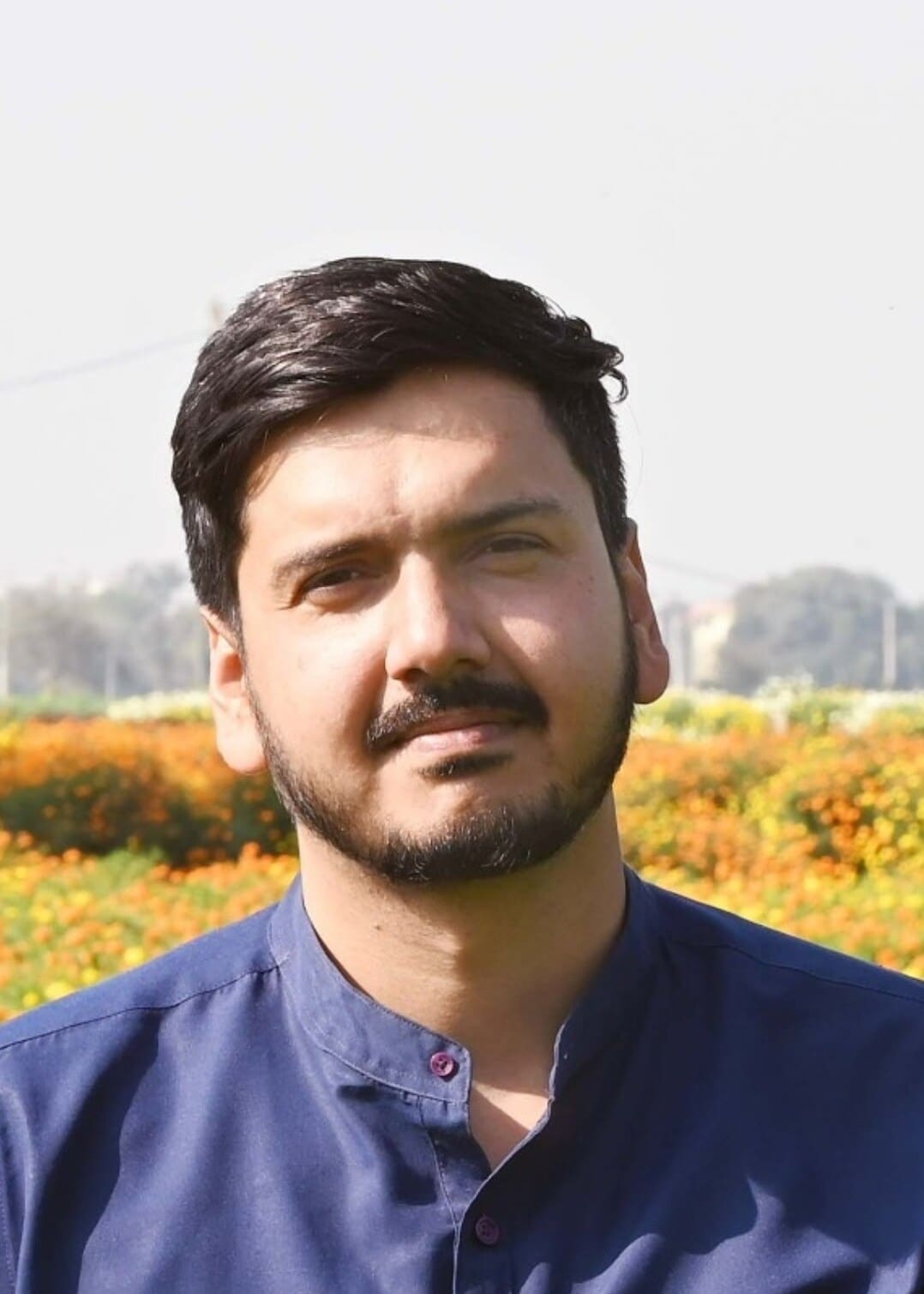
At 80, MC Mehta has a simple formulation for the cause he has pursued for four decades. “People cannot manufacture clean air. Even if we spend billions of dollars, pollution will still leave its impact. Clean air is the basic right of every human being and every animal. It is not negotiable,” he told HT on Thursday, hours after the Supreme Court formally disposed of the writ petition he filed in 1985.
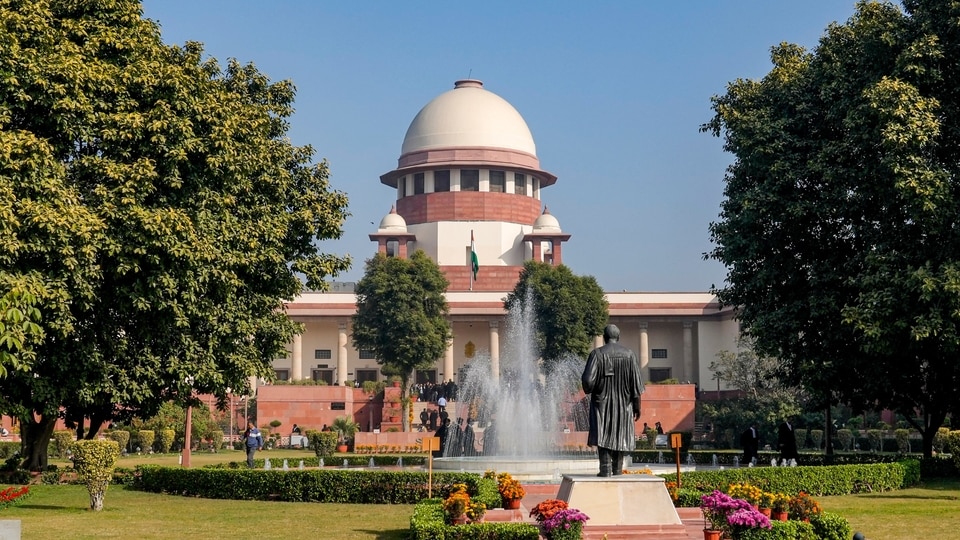
That petition — WP(C) No. 13029/1985 — became the vehicle for the most sustained judicial intervention on urban air quality anywhere in the world.
Over nearly 40 years, it produced the orders that converted Delhi’s bus fleet to CNG, phased out leaded petrol, created the Environment Pollution (Prevention and Control) Authority, imposed the environment compensation charge on trucks entering the Capital, and laid down how firecrackers can – and, more importantly, cannot — be used across the NCR.
On Thursday, a bench led by Chief Justice of India Surya Kant closed the case and directed that future proceedings on NCR air pollution continue under a new suo motu framework. Mehta said he hoped the momentum would not be lost. “So many commissions, court-monitored probes, and regulations have come into force. I hope the vigilance continues afterwards,” he said.
Also Read | Supreme Court closes environmentalist MC Mehta's PIL on Delhi pollution after 40 yrs
Born on December 12, 1946, in Dhangri in Rajouri, Jammu and Kashmir, Mehta studied political science and law at Jammu University before moving to Delhi in 1983 to practise at the Supreme Court. Within a year, he turned to environmental litigation.
“It all started with the Taj Mahal case, where toxic emissions from industries were posing a threat to the Taj Mahal and other monuments,” he said. “The court’s intervention in banning polluting fuels helped not only the monument but also the people living across the entire Braj Mandal — Mathura, Vrindavan, and the 10,000 sq km surrounding area.”
“The Ganga case in 1985 was also close to my heart. It began with industries dumping toxic effluents from Haridwar to Kolkata. We consulted local groups and brought the community along with us. Ultimately, its impact expanded in the form of setting up treatment plants in towns along the tributaries of the river,” he added.
Mehta spoke with particular pride about the CNG conversion that transformed Delhi’s public transport in the early 2000s. He said the shift to lead-free petrol and the enforcement of stricter emission norms had made Delhi, by his reckoning, the first city in the world to run its entire public transport system on CNG.
He said he was glad to have been part of bringing about some improvement “not only in the lives of human beings but also in those of other members of the animal kingdom,” adding that he wished Delhi would take more stringent steps to tackle its current air pollution crisis.
The influence of Mehta’s cases extends well beyond Delhi-NCR. In addition to the Taj case, which led to a landmark 1996 ruling ordering 292 polluting industries to switch to cleaner fuel or relocate, a separate petition by him led to a ban on industrial activity within 500 metres of the High Tide Line along India’s coast and the formulation of coastal management plans. For his work over the decades, Mehta has received the Goldman Environmental Prize, the UN’s Global 500 Award (1993), and the Ramon Magsaysay Award (1997).
Experts said the Delhi pollution case remained a milestone even as its limitations have become clearer with time. “It became a catalyst for far-reaching changes and helped accelerate action at a time when policy-level action was not picking up momentum. Essentially, it laid the foundation of clean air in Delhi-NCR,” said Anumita RoyChowdhury, executive director for research and advocacy at the Centre for Science and Environment.
On Mehta, Chetan Agarwal, a forestry expert who works on the Aravallis, noted that among the many who visited the yellowing Taj Mahal in the 1980s, “only one of them decided to do something about it.” But Agarwal added that the improvements of the early 2000s — from lead-free petrol and CNG to the metro — had been “slowly overtaken by the inexorable rise of diesel and petrol vehicles and industry emissions in the NCR.” The grim air quality of the last decade, he said, was a reminder that past gains could not be taken for granted. “As the case is wound up, it would be fitting for the current generation to remember and learn from the pioneering efforts of MC Mehta himself as well as the hundreds of petitioners and lawyers who followed,” he said.
Raj Panjwani, senior advocate and a long-standing figure in environmental litigation, said: “Proof of the pudding lies in eating. I wear my mask every day when I go out for my evening walk”.
“It is a very important case, but are we achieving the target? I feel helpless with the snail’s pace in achieving our target for cleaner, healthier air.”
Panjwani also questioned whether the institutional mechanisms born from the case had delivered on their promise. “If we started imposing the Environment Compensation Charge in 2015, what infrastructure has been made? Does it mean that in 10 years we have not been able to make infrastructure to ensure that trucks and all these polluting heavy vehicles are kept outside of Delhi?” he asked.
On Thursday, the 80-year-old Mehta was already looking ahead. “I am preparing for another case that is scheduled for Friday. I will draft a few letters, and tomorrow will be a busy day,” he said.