
 E-Paper



Is Dalai Lama an LGBTQ icon? Queer Buddhist sociologist explores connection
Researcher from Australian university underlines Dalai Lama is considered a manifestation of Avalokitesvara, who can be depicted across binary ideas of gender

 Prefer HTon Google


The spiritual persona of the Dalai Lama can well be considered an icon for gender fluidity, a top researcher at an Australian university has theorised. Stephen Kerry underlines that the Dalai Lama, one of the top temporal heads in Buddhism, is considered the manifestation of Avalokitesvara, the godly being “who hears the cries of the world”.
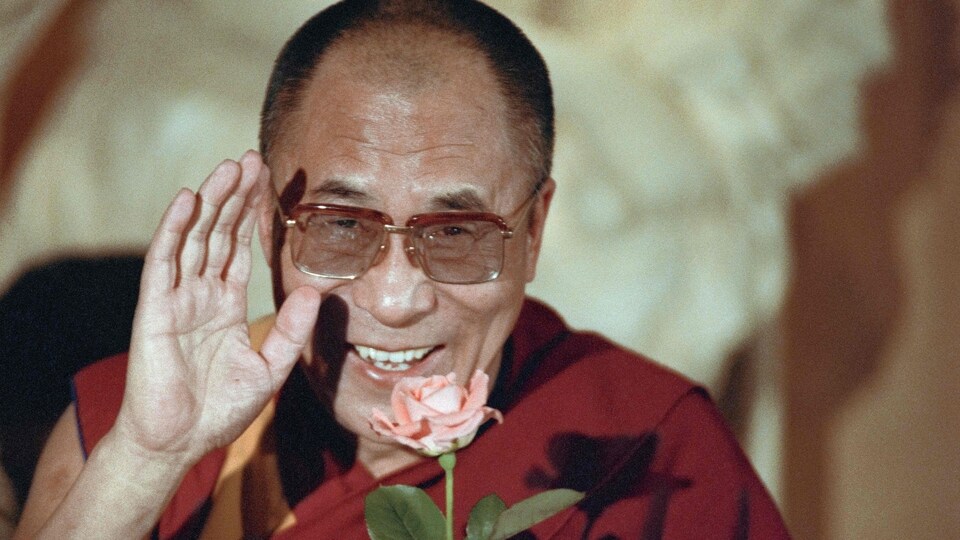
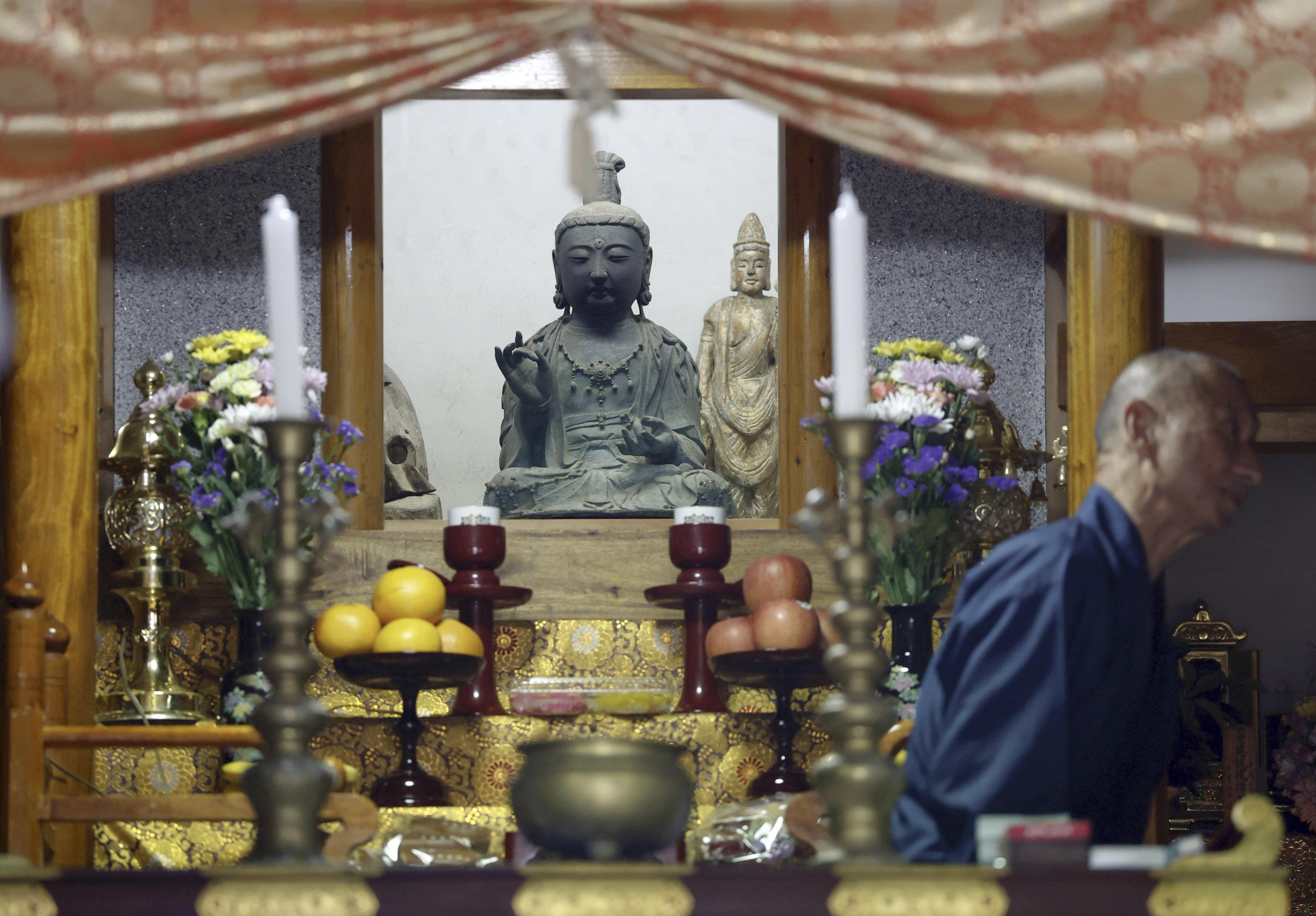
Known as Chenrezig in Tibet, Guanyin in China, and Kannon or Kanzeon in Japan, Avalokitesvara originated in India as a man, but can be depicted as either a man, woman, or non-binary being in religious iconography. This gender fluidity has led to Avalokitesvara being revered as a trans icon in the West, writes Stephen Kerry, lecturer in sociology at Charles Darwin University.
Conversation around the Dalai Lama tradition has grown busier since the latest and 14th incumbent, Tenzin Gyatso, turns 90 soon. And this has reigniting speculation over his eventual successor.
In Buddhism, a bodhisattva (as in Avalokitesvara, represented through the Dalai Lama) is a person or representation who denies themselves enlightenment until all beings can achieve enlightenment. "Avalokitesvara appears to living beings in whatever form could best save them,” Kerry writes in The Conversation.
“I have spent the past five years investigating the lives of queer Buddhists in Australia. As part of this research, I have surveyed and interviewed 109 LGBTQIA Buddhist Australians. The words of these individuals, and my own experience as a genderqueer Buddhist person, reveal how the Dalai Lama emerges an an unlikely inspiration for individuals sharing a trans and Buddhist identity,” he adds.
'Effeminate and handsome'
He also says that homosexual or non-binary Buddhist Australians are generally reluctant to disclose their gender identities to their communities, and may be told to remain silent about their identities.
“For some, Avalokitesvara’s gender fluidity has been important for reaffirming both their queer and Buddhist selves. One Buddhist trans woman […] told me Guanyin (Avalokitesvara) had special significance for her. [She] spoke about Avalokitesvara travelling from India to China as a male, before ‘transitioning’ to the mainly female presentation of Guanyin over centuries.”
Another individual from the queer community told Kerry about how he was fascinated by depictions of Avalokitesvara “looking effeminate and handsome, with a cute moustache”.
Not everyone agrees
Some Buddhists deny Avalokitesvara’s perceived queerness. Kerry recounts how a genderqueer Buddhist person told him about a teacher who called the theories “just stories”.
Kerry adds, though: “Despite being a cisgender man who has been somewhat inconsistent in his support of queer people, the Dalai Lama, as the manifestation of the bodhisattva of compassion, is a possible spiritual link between today’s queer Buddhists and centuries-long traditions of gender transition and fluidity.”
Meanwhile, the controversy over how the next Dalai Lama will be chosen rages on. The 14th and current Dalai Lama has asserted that the temporal institution will continue after his death but his “reincarnation” will “not be chosen by China”. The Chinese government has said any successor will have to be approved by Beijing.


