
 E-Paper



In absence of Parliament session, social activists start consultation on key policy issues
Jan Sarokar, a conglomeration of social organisations, has started a virtual consultation this week on 10 themes with over 200 speakers

 Prefer HTon Google


Several social organisations have come together to discuss key policy issues from education to environment through People’s Parliament in the absence of regular sessions of legislative bodies in the country.
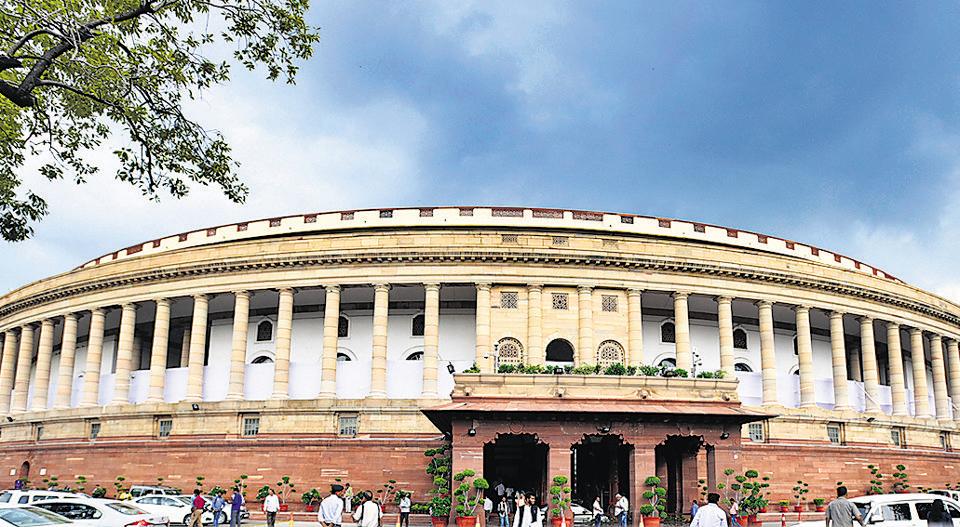
Jan Sarokar, a conglomeration of social organisations, has started a virtual consultation this week on 10 themes with over 200 speakers.
Launching the initiative, former National Advisory Council member Aruna Roy said that since there has been no Parliament session for the last five months, there has been no parliamentary oversight of the executive either.
The monsoon session of Parliament has been delayed because of the Covid-19 pandemic and the secretariats of Lok Sabha and Rajya Sabha intend to hold the session in September while enforcing social distancing norms.
As per Constitutional norms, there cannot be a gap of over six months between two Parliament sessions. Officials said they have until September 23 to hold the session. The budget session ended on March 23, two days before the 68-day national lockdown kicked in.
“This (not holding the Parliament session) shocks us as Parliament is a platform to discuss the pandemic at multiple levels,” Roy said.
She said that in the absence of the Parliament session, important policy decisions such as an amendment in labour and agriculture laws and the introduction of changes to education and environment policy were being taken without Parliamentary oversight.
“There is no accountability of those in power,” she said.
In his inaugural speech, former Delhi High Court judge AP Shah, said several countries across the world such as Brazil, Italy and France had held Parliament sessions during the pandemic, providing a voice to the people, but India had failed to do so.
“During the 1962 and 1971 wars, Parliament sessions were held. Even a day after the Mumbai attack, Parliament met. If parliamentary standing committees can meet virtually, why can’t Parliament sessions be held,” he said.
Shah said Parliament was intended to keep a check on the executive. If Parliament stops working, it “compounds the problem of leadership” as it allows the executive free hand, he said. He also claimed that constitutional institutions have been weakened and the civil society stifled in the recent past.
“Our aim should be to revive liberal democratic values of our democracy,” he said.
Jignesh Mewani, a Dalit rights activist and an independent MLA in Gujarat assembly, said that as an MLA he was unable to raise important issues that affect the people as the Gujarat assembly session has not been held in the past five months.
“I could have raised questions regarding the non-availability of life-saving injections in government-run hospitals in Gujarat and the government could have been made accountable. In the absence of the assembly session, I can’t raise my voice,” he said.
Mewani also said that the way changes in labour and agriculture laws have been introduced during the pandemic shows that the government has tried to push an executive agenda without legislative checks and balances.
Nikhil Dey of National Campaign for People’s Right to Information said the Janata Parliament was being held to raise people-centric issues during the pandemic and to ensure that the voice of poor and needy reaches the government.


