The primitive tribal groups of Odisha in remote habitats who seemed to have escaped the second wave of Covid-19, have now reported 21 infections among them triggering concerns over it spreading to other tribals in the state.
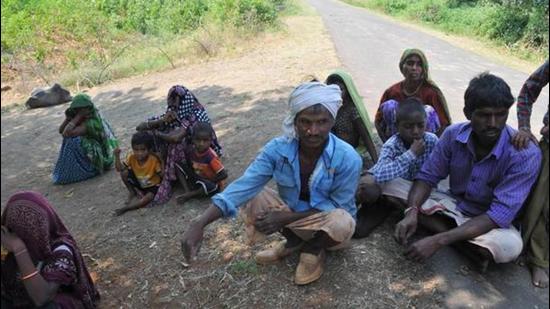
Officials said 21 tribals from 8 tribes have tested positive for the virus over the last few days.
“The infections have been reported since last month and we are keeping a close watch over their condition. Of the 21, a dozen have so far recovered. All of them were in home isolation and did not require hospitalisation,” said P Arthanari, Project director of Odisha PVTG Empowerment and Livelihood Improvement Programme.
The Bondas scattered across 32 remote hilltop villages on in the Eastern Ghats of Malkangiri district are believed to have come to India as part of the first wave of migration out of Africa about 60,000 years ago. They were the first forest settlers in India.
Similarly, 4 tribals from the Dongaria Kondh, another particularly vulnerable tribal group, living in Niyamgiri hills of Rayagada district tested positive on Thursday. Officials said the infected tribals from Parsali grampanchayat of Kalyansinghpur block probably came in contact with Covid-19 positive people in some urban market outside their village area.
“As they sometimes visit the urban markets we think they may have caught the infection there. We have now started an IEC campaign in the Dongaria Kondh villages to ensure that the disease does not spread. We have been teaching them the importance of wearing masks and maintaining social distance in Kui language,” said Rayagada district collector Saroj Kumar Mishra.
{{/usCountry}}“As they sometimes visit the urban markets we think they may have caught the infection there. We have now started an IEC campaign in the Dongaria Kondh villages to ensure that the disease does not spread. We have been teaching them the importance of wearing masks and maintaining social distance in Kui language,” said Rayagada district collector Saroj Kumar Mishra.
{{/usCountry}}The infections among the PVTG have been reported from 8 districts including Sundargarh, which is among the top-5 districts of the state in terms of active Covid-19 cases.
Though the Odisha government has not classified the Covid-19 infected people into tribals and non-tribals, senior officials of SC/ST department said many non-PVTG tribals in the state would surely have been infected, but it would not be very high.
“We are yet to know how many tribals as a whole have been infected in the second wave. But we guess the numbers would be less than the average in rural areas as tribals maintain social distancing. But we are keeping a close watch,” said Ranana Chopra, secretary of state SC/ST welfare department.
Last year, a study by the Scheduled Castes and Scheduled Tribes Research and Training Institute, a government-run research institute on tribals had found that tribal population in Odisha was largely untouched by the pandemic due to their customary practices of social distancing.
Chopra said the state tribal department is now planning to start a 5 year health observatory programme in association with the Indian Council of Medical Research to monitor the tribal health in the state. “The programme would begin this year and keep a close watch on overall health of the tribal population of the state in an integrated manner,” she said.