E-Paper



In pics | India at the United Nations: A 71-year history in 25 photos
In the 71 years since United Nation’s inception in 1945, many Indian leaders have spoke on various critical issues. As a founding member, India has made significant contributions to the United Nations and has been at the forefront of many UN resolutions.

 Prefer HTon Google


External affairs minister Sushma Swaraj’s much-awaited address at the United Nations general Assembly, where she is expected to give a stinging response to Pakistani Prime Minister Nawaz Sharif’s ‘tirade’ on Kashmir, is scheduled for Monday evening.
Her address will deliver India’s ‘vision document’ for the 71st UNGA, external affairs ministry spokesperson Vikas Swarup said.
In the 71 years since the United Nation’s inception in 1945, many Indian leaders have spoken on various critical issues. As a founding member, India has made significant contributions to the United Nations and has been at the forefront of many of its resolutions.
Here are snapshots of some of those moments from the UN Photo archives.
1
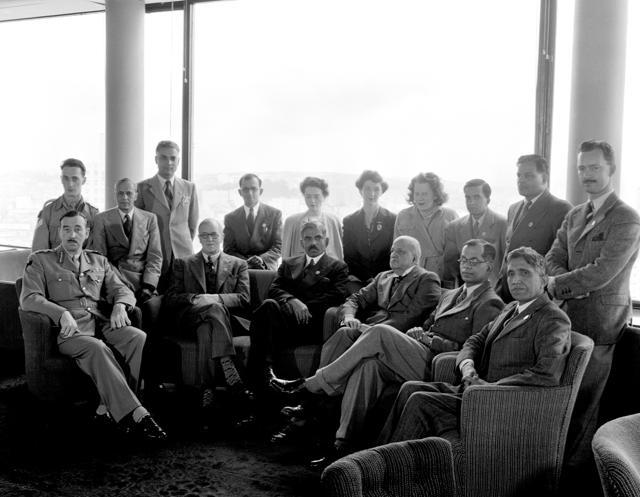
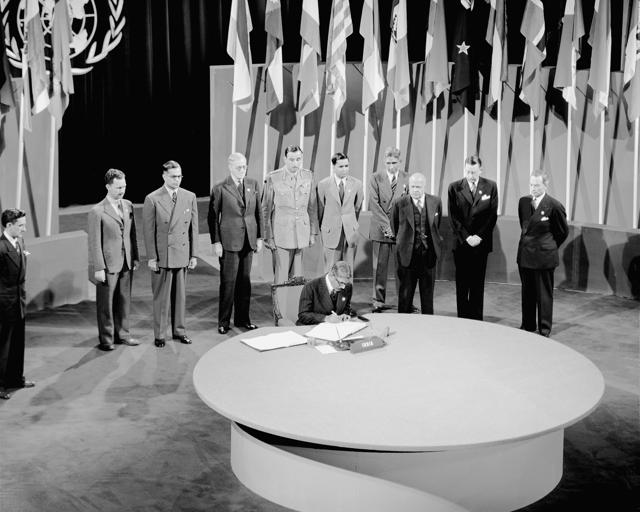
Standing (left to right): Crickmay, Ollenbach, Nagar, Thampi, Felton, Jones, Hull, PA Menon, Nair, Brownsdon. Seated (left to right): General Cawthorn, Bartley, Sir Ramaswami Mudaliar, (Chairman), Sir VT Krishnamachari, KPS Menon, Thomas (Names provided by UN Photo Archives. First names of some delegates not available)
Read more about the San Francisco conference here.
2
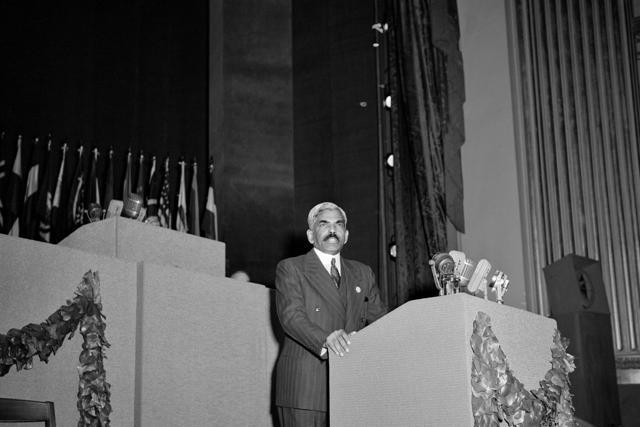
Here is full text of his speech
3
4
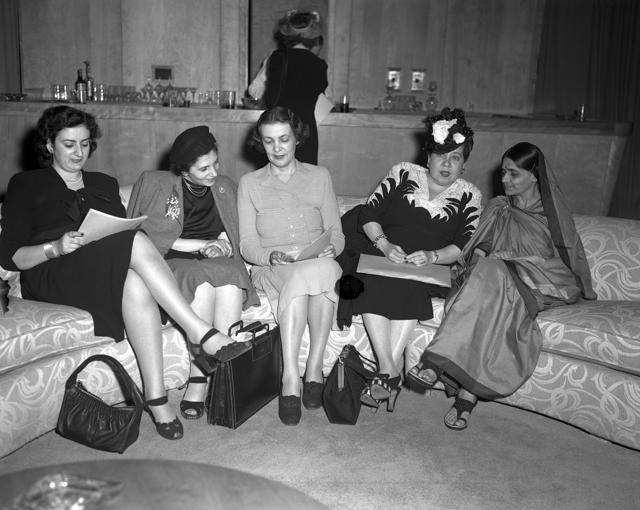
From left to right: Angela Jurdak, Lebanon; Fryderyka Kalinowski, Poland; Bodgil Begtrup. Denmark and Chairman of the committee; Minerva Bernardino, Dominican Republic; and Hansa Mehta, India.
According to a Mint article, Hansa Jivraj Mehta, served in the constituent assembly from 1946-49. She was a member of the fundamental rights sub-committee, the advisory committee and the provincial constitutional committee. On 15 August 1947, a few minutes after midnight, Mehta, on behalf of the “women of India”, presented the national flag to the assembly—the first flag to fly over independent India.
Read more on Hansa Mehta here .
5
6
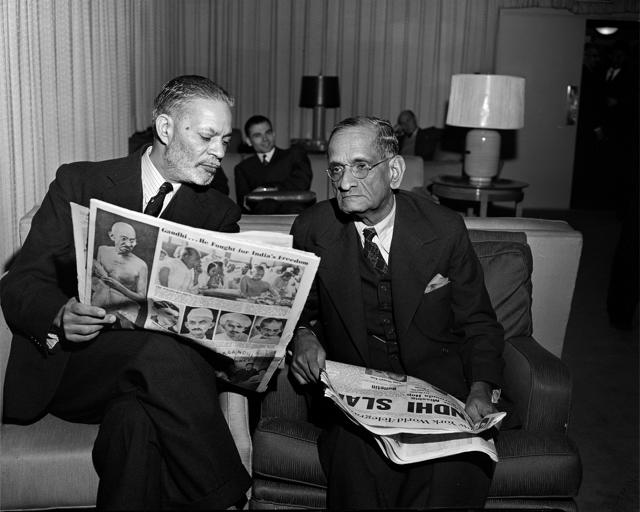
N Gopalaswami Ayyangar, an Indian minister, and Sir Mohamed Zafrullah Khan, a Pakistani minister, read the news of the death of Mahatma Gandhi. The Security Council interrupted its consideration of the situation in Jammu and Kashmir to devote its meeting to the memory of the assassinated leader.
7
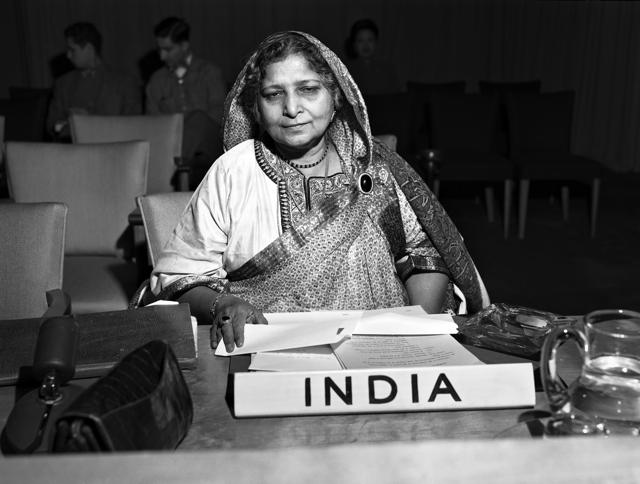
India actively participated in the economic, social and humanitarian activities of the United Nations. Begum Hamid Ali, a pioneer in the field of women’s emancipation in India, represents her country on the UN Commission on the Status of Women.
8
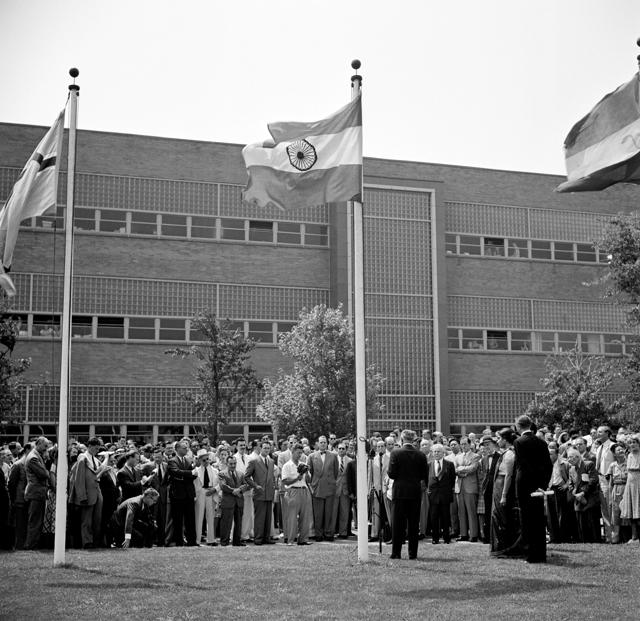
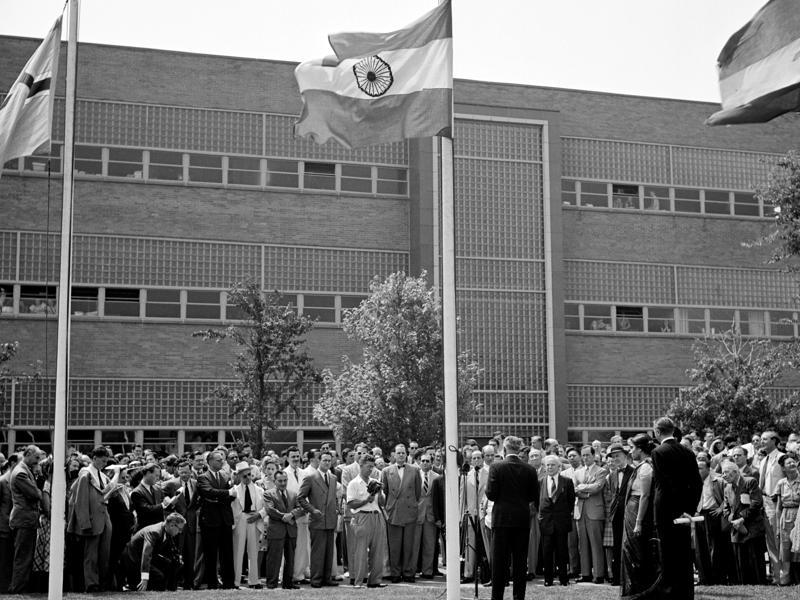
General view of the ceremony at United Nations headquarters as the new national flag of India was hoisted to take its place among colours of 54 other member states.
Speaking at the observance of the coming into force of the Indian independence Act of 1947, Padmanabla Pillai, newly appointed Representative of India, back to camera, explained the significance of the Indian flag.
9
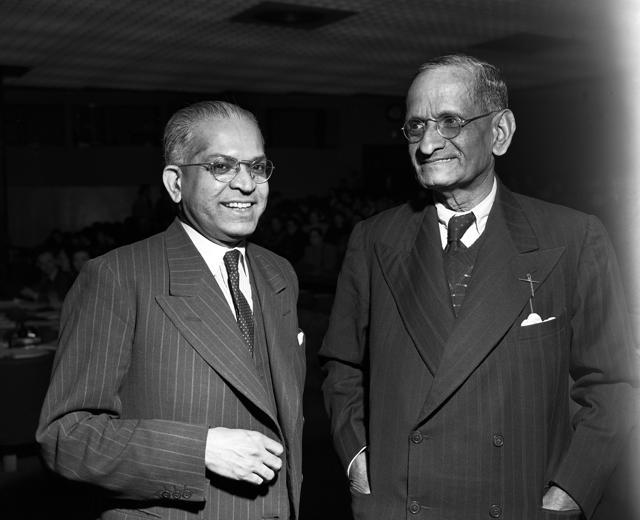
N Gopalaswami Ayyangar (right), an Indian minister, confers with Padmanabha Pillai, representative of India to the United Nations, prior to the 227th Security Council meeting at which consideration of the Indian complaint against Pakistan on the Kashmir issue resumed. Ayyangar, who presented India’s case to the council, asked for action to eliminate the danger of an armed conflict between India and Pakistan, and to persuade the Pakistan government to disassociate itself from the Kashmir raiders.
10
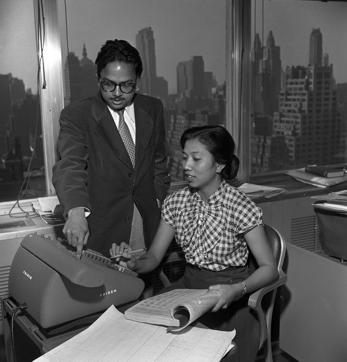
Interns from 28 countries worked with the United Nations in 1952. The picture above shows GV Subba Rao (left), an Indian-origin UN economic affairs officer, with Aurelia Saturnino, a student from the Philippines, during her internship with the Division of Economic Stability and Development of the UN Department of Economic Affairs.
11
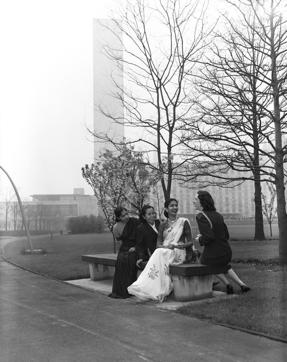
The American Association for the UN began a guided tour service at the United Nations headquarters in 1952 and employed about 60 women from 30 different nationalities. An average of 3,600 people visited the UN buildings daily that year. Most of the visitors were briefed in English, but briefings could be given in any of 20 other languages, upon request. Each guide conducted four tours every day. Nearly a million-and-a-half visitors took the guided tours by 1955.
The photo above shows four guides at the UN garden between tours. From left to right: Kailas Damania from India; Josie Varias from the Philippines; Leela Lakshman Rao from India; and Patricia Davidson from the United Kingdom.
12
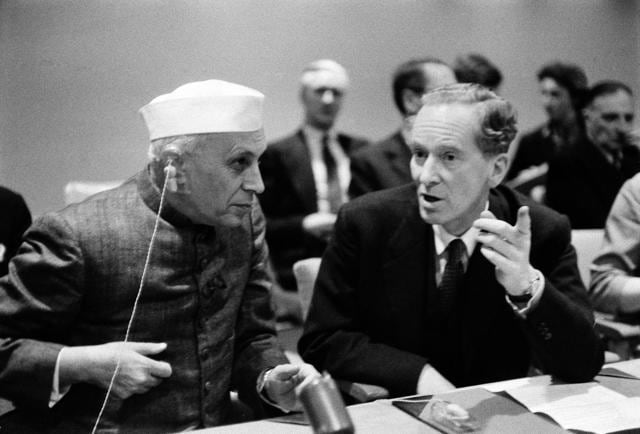
13
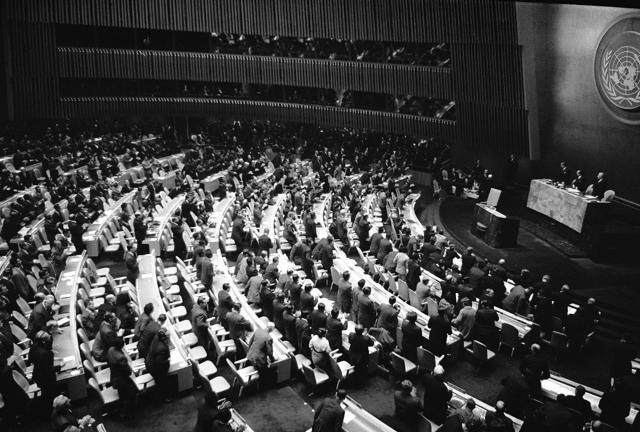
14
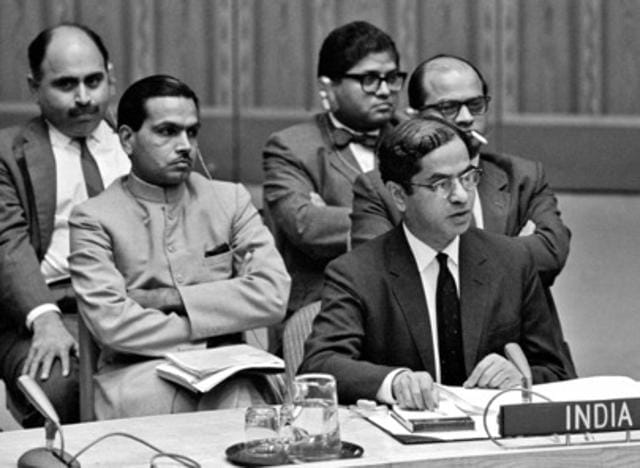
15
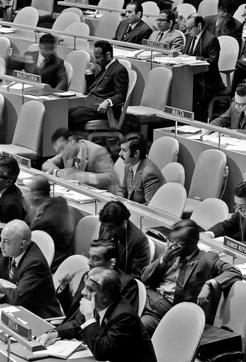
On December 7, 1971, the General Assembly took up issues from India and Pakistan referred to it by the Security Council under the provisions of the “Uniting for Peace” resolution of the 1950 assembly. It did so in view of the fact that “lack of unanimity of its permanent members” had prevented it “from exercising its primary responsibility for the maintenance of international peace and security”.
16
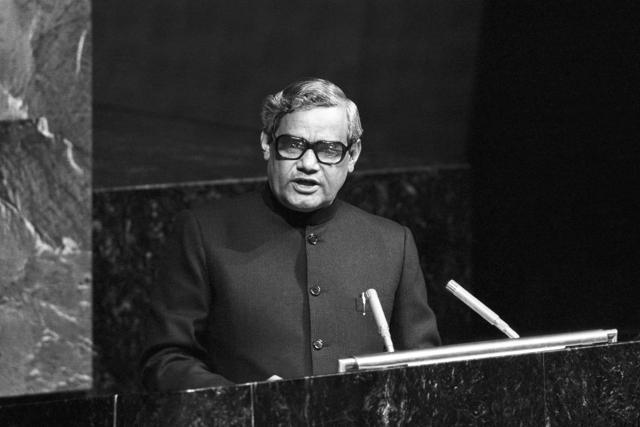
In an address to the General Assembly, then President of the United States, Jimmy Carter, urged renewed efforts to curb nuclear weapons and pledged that his country would not use such weapons except in self-defence. Following Carter’s address, the assembly resumed the general debate, hearing a statement by Atal Bihari Vajpayee among foreign ministers from other countries.
17
18
19
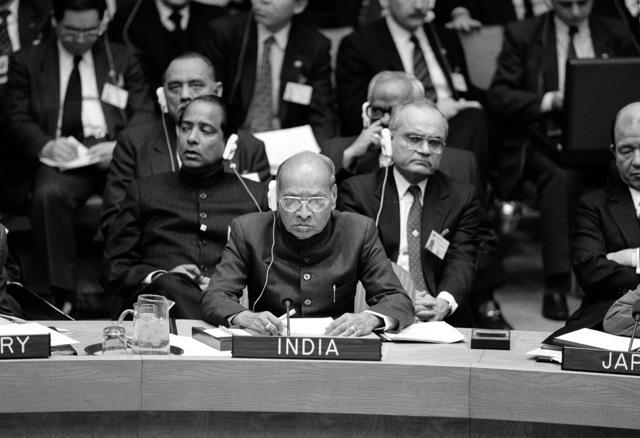
The first summit-level meeting of the United Nations Security Council was held on January 31, 1992. The meeting reaffirmed the central role of the Security Council in maintaining world peace and upholding the principle of collective security as envisioned in the United Nations Charter. Attending the meeting were 13 heads of state and governments and two foreign ministers representing the members of the Security Council. Council members issued a declaration that committed their governments to measures intended to halt the spread of weapons of mass destruction. The declaration also invited Secretary-General Boutros Boutros-Ghali to make recommendations on ways to strengthen the capacity of the United Nations in preventative diplomacy, for peace-making and peace-keeping.
20
21
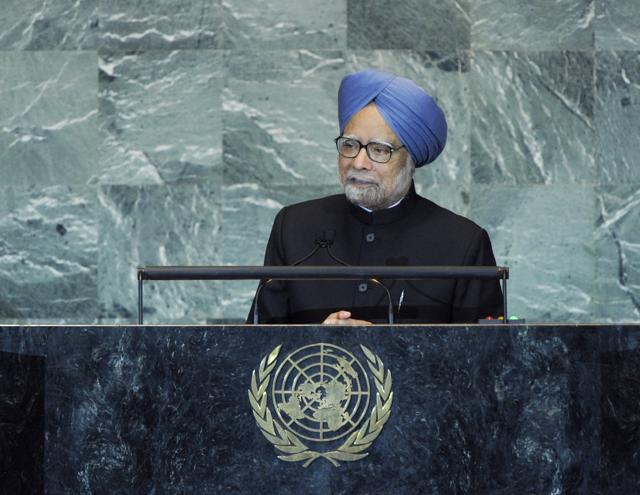
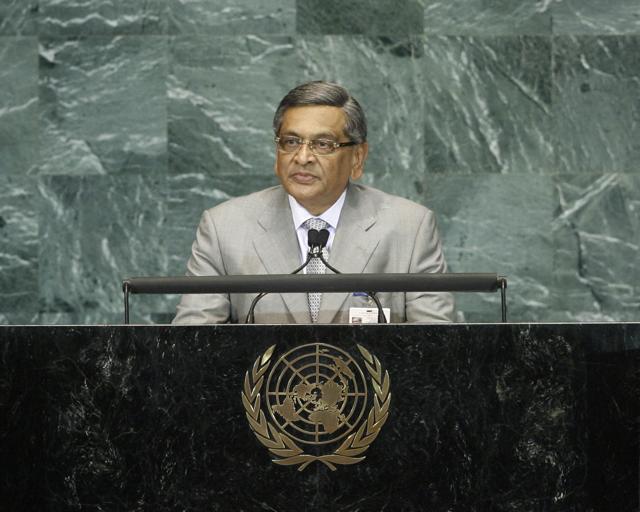
Convened by the General Assembly, the Summit was aimed at spurring action towards achieving internationally agreed goals to reduce hunger, poverty and disease.
23
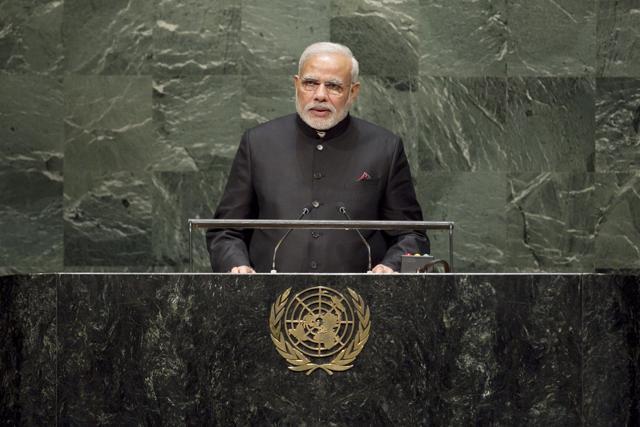
24

The Day of Non-Violence was commemorated on 2 October, the birthday of Mahatma Gandhi, as an occasion to disseminate the message of non-violence.
25