
 E-Paper



Income tax department searches laptop firm, finds large-scale under-invoicing of imports
The Income Tax Department (ITD) carried out a search and seizure operation on several electronics importers and traders in the National Capital Region, Haryana and West Bengal which commenced on October 10, 2021, said the Central Board of Direct Taxes (CBDT) on Saturday

 Prefer HTon Google


The Income Tax Department (ITD) carried out a search and seizure operation on several electronics importers and traders in the National Capital Region, Haryana and West Bengal which commenced on October 10, 2021, said the Central Board of Direct Taxes (CBDT) on Saturday.
“The evidence found and seized during the course of the search reveals that the payments for such under-invoiced goods to the foreign cosigners have been made through hawala channels,” stated the press release issued by PIB.
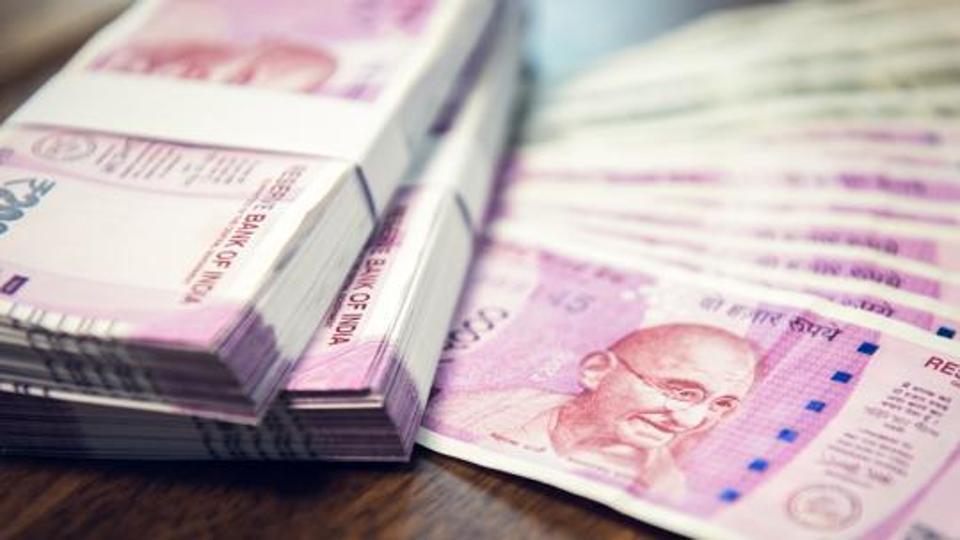
During the I-T department’s search, compromising documents, diaries and digital records were found, revealing that the group is neck-deep into “large scale under-invoicing and wrongful declaration of goods imported by it.” Apart from this, evidence of unrecorded transactions, bogus loans were taken and unaccounted investments in properties were also gathered in the search. Imports worth 20 crores were declared at the port of entry in the past three years, however, the estimated value of the imports is possibly more than 2,000 crores. ₹2.75 crores in cash were also found, which has been unaccounted for.
Moreover, while probing containers at the Kolkata Port, a bill lading declared the goods as “HDMI cables” worth ₹3.8 lakhs was found, however, upon further investigation, “the actual goods imported are high-value items like laptops, mobile phones etc which are valued at ₹64 crores,” stated the press release.
Lastly, the statement suggests that the illegitimate wealth “has been used for acquisition of high-value immovable properties, disguising of cash introduced in the form of bogus rental income, bogus unsecured loans and deposits in foreign bank accounts.”


