
 E-Paper



India again calls for end to Iran-US conflict, stresses energy supply chains
Oil prices surged nearly 13%, hitting their highest level since January 2025, after Iranian forces effectively closed the Strait of Hormuz

 Prefer HTon Google


India on Tuesday again called for dialogue and diplomacy aimed at an early end to the Iran-US conflict, emphasising the need to secure the interests of nearly 10 million Indians living in West Asia and prevent disruptions in trade and energy supply chains with potential “serious consequences” for the country’s economy.
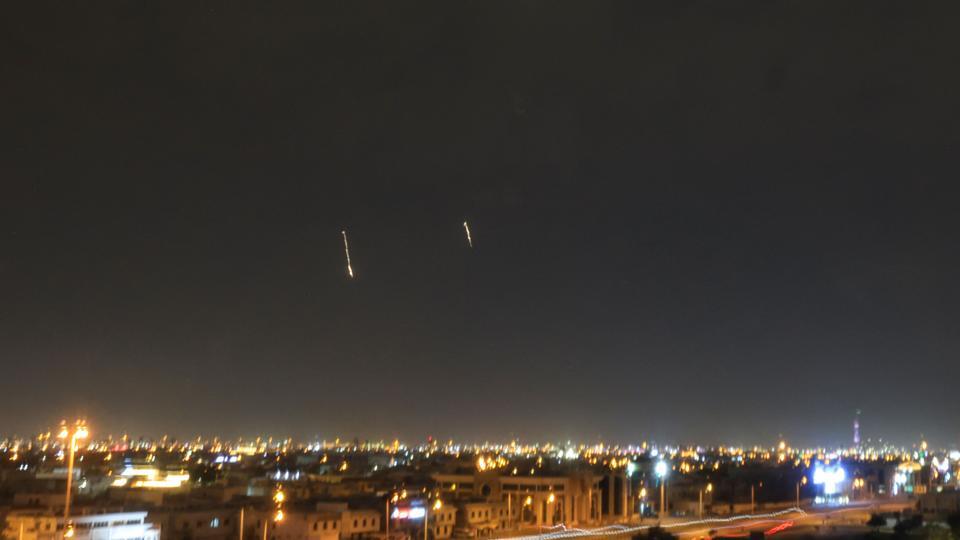
This was the second time that New Delhi called for de-escalation and restraint by all stakeholders in the region since Israel and the US launched military strikes on Iran on February 28, killing Iranian Supreme Leader Ali Khamenei and senior military leaders and triggering a wave of deadly retaliatory attacks against Israel and several other countries, including those hosting US military bases.
Oil prices surged nearly 13%, hitting their highest level since January 2025, after Iranian forces effectively closed the Strait of Hormuz. Natural gas prices rose as QatarEnergy, one of the world’s largest exporters, halted production following attacks on its facilities. These developments have increased concerns in India, the world’s second largest purchaser of crude, with around 85% of its needs met through imports.

“In this background, India strongly reiterates its call for dialogue and diplomacy. We raise our voice clearly in favour of an early end to the conflict. Already, many lives have been regrettably lost and we express our grief in that regard,” the external affairs ministry said in a detailed statement, three days after a brief and initial response to the evolving situation.
The statement noted there are almost 10 million Indian citizens living and working in the Gulf region, and said: “Their safety and well-being is of utmost priority. We cannot be impervious to any development that negatively affects them.”
With India’s trade and energy supply chains passing through the region, the statement said any “major disruption has serious consequences for the Indian economy”. The statement cited the prominent part played by Indian citizens in the global workforce while firmly opposing attacks on merchant shipping. “Already, some Indian nationals have lost their lives or are missing as a result of such attacks in the last few days,” it said.
At least three Indian seafarers have been killed in Iranian strikes on two merchant vessels in the waters off Oman since the weekend and about 20 more have been injured in strikes across West Asia. Indians make up about 12% of the global seafaring workforce, with a total of more than 320,000 active sailors, and attacks on merchant vessels during most recent conflicts in West Asia have resulted in Indian casualties.
India’s reiteration of its call for dialogue and diplomacy and the need for all parties to exercise restraint and avoid escalation came on a day when Prime Minister Narendra Modi spoke on phone with Oman’s Sultan Haitham bin Tarik, Kuwait’s Crown Prince Sheikh Sabah Al-Khaled Al-Sabah and Qatar’s Amir Sheikh Tamim bin Hamad Al Thani as part of a continuing outreach to the leadership of West Asian countries.
Modi condemned the attacks in these three countries and discussed the welfare and security of Indian nationals living there, people familiar with the matter said.
Amid the dramatic escalation in regional tensions, Modi earlier spoke with Saudi Crown Prince Mohammed bin Salman, Bahrain’s King Hamad Bin Isa Al Khalifa, Jordan’s King Abdullah II, Israeli Prime Minister Benjamin Netanyahu and United Arab Emirates (UAE) President Sheikh Mohamed bin Zayed and expressed deep concern at the evolving situation. He also condemned attacks on several of these countries.
The Indian side said the conflict had not only intensified but spread to other nations in recent days, and “destruction and deaths have mounted”, while normal life and economic activities came to a halt. “As a proximate neighbour with critical stakes in the security and stability of the region, these developments evoke great anxiety,” the statement said, adding that the situation had deteriorated significantly and continuously in the holy month of Ramzan.
About 50% of India’s oil imports – or roughly 2.6 million barrels a day – pass through the Strait of Hormuz, the crucial waterway used to transport almost a fifth of the world’s oil and gas supplies. Data from maritime analytics firms showed only three tankers carrying 2.8 million barrels crossed the strait on March 1, an 86% drop from the daily average of 19.8 million barrels for 2026.
Like the statement issued on February 28, the one on Tuesday was silent on the killing of Iran’s Supreme Leader or civilian casualties caused by the strikes on Iran. As the US and Israel continued their strikes, Iranian state-run media outlets reported that the death toll had risen to 787. This included more than 160 children killed in a strike on a girl’s school in Minab city.
The US military said on Monday the number of American personnel killed so far was six, while 10 deaths were reported from Israel. Another 21 people were killed and dozens more injured in Bahrain, Iraq, Kuwait, Lebanon, Oman, Qatar and the UAE.
The external affairs ministry said Indian embassies and consulates in the affected countries are in close touch with Indians and community organisations and are issuing regular advisories. The missions have extended help to Indians stranded by the conflict and will “continue to be proactive in addressing various consular aspects”. The government will continue to “closely monitor the evolving situation and take relevant decisions in the national interest”, the ministry said.


