E-Paper



India bans import of rabies vaccine from Chinese manufacturer
The drug controller general of India on Tuesday banned the import of the rabies vaccine from Chinese vaccine manufacturer Changchun Changsheng Life Sciences, which was found to have faked records and ordered to stop production earlier this month by China’s drug controller.


The drug controller general of India on Tuesday banned the import of the rabies vaccine from Chinese vaccine manufacturer Changchun Changsheng Life Sciences, which was found to have faked records and ordered to stop production earlier this month by China’s drug controller.
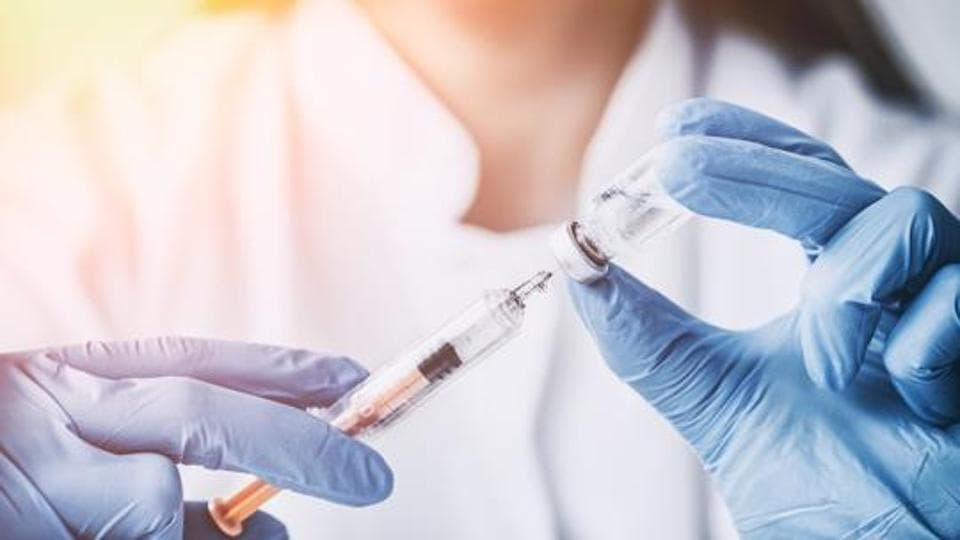
Officials familiar with the matter said the vaccine is imported by India and procured by both private and government centres that administer it for protection from rabies, which is 100% fatal but can be prevented by vaccination. Rabies kills an estimated 20,000 people in the country each year, according to the National Rabies Control Programme.
“We’re in the process of issuing a show cause notice to the procurer who gets the vaccine for the government . There has to be a stop on imports from this particular manufacturer with immediate effect,” said Dr S Eswara Reddy, the drug controller general of India.
“The vaccine is being used in India, but we don’t have the exact details of the total number of units imported or where they have been distributed. I have asked my staff to prepare a detailed information report on its import and distribution,” Reddy added. “Once we get the information, we will ask for a recall of the vaccine from market. But till then, there is a blanket ban on its import.”
Rabies is endemic throughout the country, with the exception of Andaman & Nicobar and Lakshadweep. Dogs are responsible for about 97% of human rabies, followed by cats (2%) and monkeys, mongoose and others (1%). According to the city’s civic agencies, each week about 8,000 shots are given to prevent rabies in all government hospitals.
“We get 500 to 700 cases each day, which also includes people there for booster doses. Dog and rat bites are very common. A combination of anti-rabies vaccine, serum and tetanus is injected, depending on the severity of the bite,” said a staff member at Safdarjung Hospital who asked not to be named.
“We usually get products from procurers, who get it from importers. Both Indian- and foreign-made drugs and vaccines, including those from China, are used in the public sector. Only the distributor has records of where the vaccines were sent,” said Sandeep Nangia, president, retailers and distributors chemist association.
On July 24, Chinese president Xi Jinping has ordered a “thorough investigation” into widespread concerns that hundreds of thousands of infants might have been administered fake vaccines produced by one of the country’s largest pharmaceutical firms.
According to official news agency Xinhua, Xi had termed “the illegal production of vaccines by Changchun Changsheng Life Sciences Limited as hideous and appalling”. Reports suggested the company may have supplied ineffective DPT (diphtheria, whooping cough and tetanus) vaccines that were given to babies as young as three months old, and forging data for anti-rabies vaccines.
As outrage among people in China grew over the past week, the company’s leaders apologised in a statement on Sunday, saying they felt “deeply ashamed”, according to the New York Times.