
 E-Paper



India braces for above-normal September rainfall: Boost to crops, but flood risks loom
Below-normal rains likely in some parts of northwest, southern peninsula and northeastern regions.

 Prefer HTon Google


India is set to witness a continuation of the above-normal rainfall that characterised August as the country enters the final month of the monsoon season, according to the India Meteorological Department (IMD).
Addressing a virtual press conference, IMD director general Mrutyunjay Mohapatra said precipitation is expected to be more than 109% of the long-term average of 167.9 millimetres (6.6 inches).
According to Mohapatra, most parts of India are expected to receive above-normal rainfall in September.
The above-average rainfall could not only brighten prospects for a bumper harvest for crops such as rice and soybeans but also increase water levels in major reservoirs, setting the stage for good winter crops, such as wheat and rapeseed.
The ample soil moisture expected in the coming weeks is vital for farm output and economic stability, especially in a nation where a large portion of the population depends on agriculture for their livelihood, as per a Bloomberg report.
Higher crop yields could help ease food inflation, which saw a rise of 5.4% in July, and might lead the government to relax restrictions on rice and sugar exports.
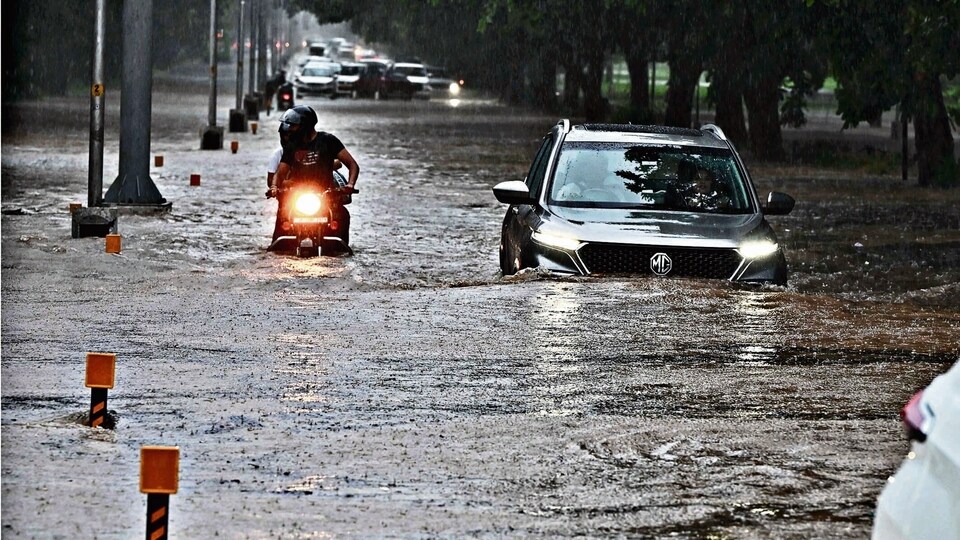
However, some areas of the country also face the risk of extremely heavy rainfall and floods.
Heavy to very heavy rainfall is likely in the northwest region, including Uttarakhand, parts of Himachal Pradesh, Jammu and Kashmir, Rajasthan, and the adjoining areas of Madhya Pradesh.
"There could be episodes of extremely heavy rainfall in these areas, potentially leading to floods. We should remain cautious of landslides, mudslides, and landslips," Mohapatra said.
"We anticipate a low-pressure system developing over the Bay of Bengal each week of the month, which will result in significant rainfall across the country," he added.
Some parts of India are forecasted to experience below-normal rainfall, including the extreme northwest, areas of the southern peninsula, northern Bihar, northeastern Uttar Pradesh, and much of northeast India. These regions may face drier conditions, which could impact local agriculture and water resources.


