
 E-Paper



E coli in water, no toilets, no dustbins: CAG flags basics missing at Delhi, Mumbai among major railway stations
Stations like Mumbai Central, Kolkata-adjacent Howrah and Sealdah, and even New Delhi, found deficient in seating, toilets, dustbins, electronic display boards

 Prefer HTon Google


E coli bacteria, usually found in human excreta, has been found in drinking water samples picked up from water coolers at several railway stations, a report by the Comptroller and Auditor General has said.
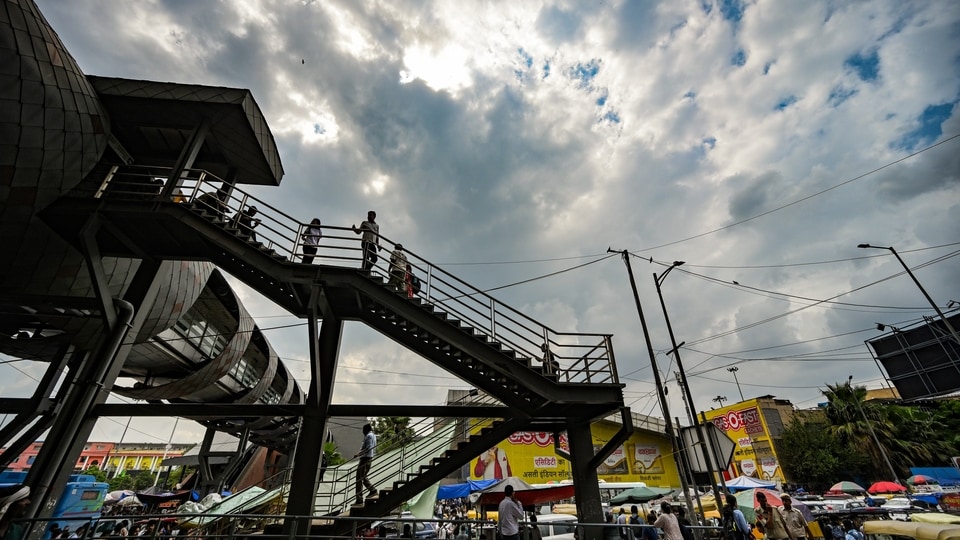
These included Coimbatore and Palakkad in Southern Railway, Hyderabad in South Central Railway, four stations (Chhatrapati Shivaji Maharaj Terminus, Bhiwandi Road, Kalyan and Lonavala) in Central Railway, and Madhupur in Eastern Railway, the report that studied passenger services at 512 non-suburban grade stations across all zones said.
“Test results of drinking water samples collected from taps in platforms at 49 stations in eight zones during 2022-23 and 56 stations in 9 zones during 2023-24 indicated presence of Total coliforms bacteria (including E-coli),” the report stated, news agency PTI reported on Sunday, August 16.
Strains of E coli bacteria can lead to food poisoning, diarrhoea and kidney failure.
Even national capital lacks basics
The audit found that 458 out of the 512 selected stations, around 90%, were deficient in the provision of what's described as Minimum Essential Amenities (MEA).
"In April 2018, the Railway Board issued comprehensive instructions prescribing Minimum Essential Amenities (MEA), Recommended Amenities (RA) and Desirable Amenities (DA) for stations categorised as NSG 1 to NSG 6. RB stipulated that MEAs were to be ensured at all stations by 31 August 2018," the report said.Indian Railways classifies its main stations in the Non-Suburban Group (NSG) categories 1 to 6 as per importance and revenue. For instance, at the top tier, NSG-1 stations represent mega-hubs that generate over ₹500 crore in annual passenger earnings and handle more than 2 crore passengers.
This grading system directly dictates the scale and budget of facilities, such as waiting halls, lifts, escalators, and catering services, provided at each station.
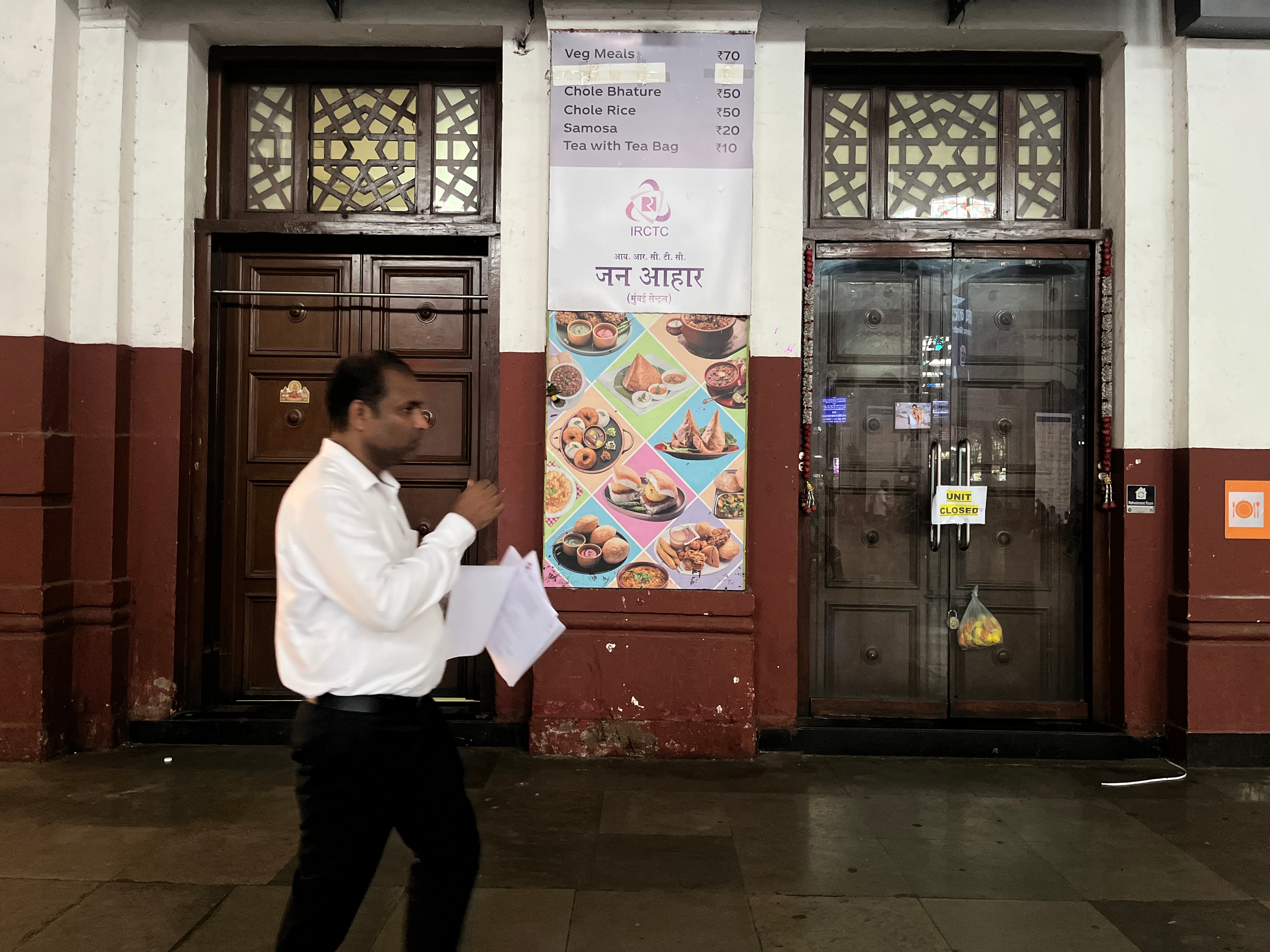
“RB's instructions (April 2018) mandated that MEAs be provided first at all stations, irrespective of category. These include drinking water, waiting halls, seating arrangements, platform shelters, urinals, latrines, high-level platforms, fans, Foot Over Bridges (FOBs), dustbins, clocks and public address systems,” the CAG noted.
But, it found, even stations like Mumbai Central, Mumbai's Chhatrapati Shivaji Maharaj Terminus (CSMT), Kolkata-adjacent Howrah and Sealdah, and even New Delhi, which all come under the NSG-1 category, deficient in seating arrangements, sanitary facilities, dustbins and electronic indicator boards, among others.
Among its major recommendations, the CAG asked to “ensure compliance with prescribed protocols for inspection of water supply systems and comprehensive testing of drinking water quality, including all parameters under the Uniform Drinking Water Quality Protocol”.


