E-Paper



India, China begin to prepare for 2nd informal summit
New Delhi initially suggested dates in November for the meeting, set to be held in India, but later agreed on dates in October after Beijing said the timing of the summit should be advanced so that the momentum created by the Wuhan meeting isn’t dissipated, people familiar with the developments on both sides said.

 Prefer HTon Google


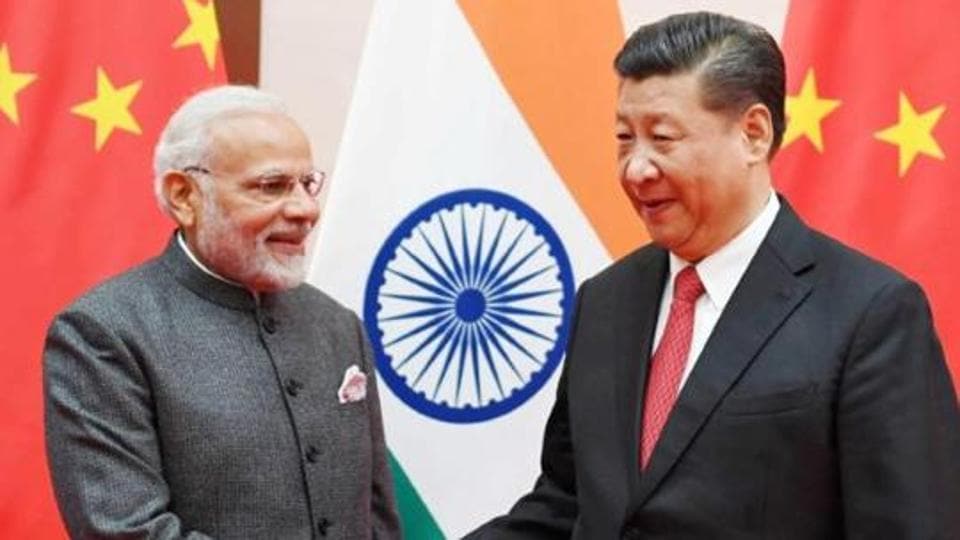
With nearly a month to go for the results of the general election, India and China have quietly begun preparing for the second informal summit between their top leadership that is expected to build on the gains of the first such meeting in Wuhan and bridge differences on key issues.
New Delhi initially suggested dates in November for the meeting, set to be held in India, but later agreed on dates in October after Beijing said the timing of the summit should be advanced so that the momentum created by the Wuhan meeting isn’t dissipated, people familiar with the developments on both sides said.
A full plate of issues, including contentious matters such as the disputed border, especially in Arunachal Pradesh; India’s opposition to China’s Belt and Road Initiative (BRI); and China’s position on Pakistan-based terrorists, will be on the agenda for the summit, which an Indian official said would be “qualitatively different” from the Wuhan meeting between Prime Minister Narendra Modi and President Xi Jinping in April 2018.
Also Watch | India, China step on the gas on oil sourcing plan
“The Wuhan summit was held against the backdrop of the military standoff at Doklam and was aimed at a reset in ties. There was strategic guidance from the leaders that things were better at the top and this message was sent down and resulted in better understanding in all arms of the government,” said the Indian official, who didn’t want to be identified.
“It restored some of the trust that had been lost and there has been better management of each other’s sensitivities. In the second summit, we expect to move beyond the ghost of Doklam and truly build on the Wuhan spirit,” the official added, noting how both sides were making a conscious effort not to play up differences, including issues such as India’s decision to skip China’s second Belt and Road Forum and Beijing’s hold on efforts to designate Jaish-e-Mohammed chief Masood Azhar at the UN’s 1267 Sanctions Committee.
People familiar with the thinking in official quarters in Beijing said China is looking to take up issues under four broad areas at the summit.
The first area is contentious matters such as the border dispute, BRI and the Dalai Lama. The second is trade and investment as Beijing continues to be concerned about India’s trade deficit (which stood at $51.72 billion in 2017, and which China wants to address ) and issues such as market access. The third is enhancing people-to-people contacts and cultural exchanges. And the fourth is India’s position on matters that are of concern to China, such as the Indo-Pacific, the Quad and the South China Sea, the people said.
The people added that while there is better rapport between the top leadership of the two countries, there is a feeling in Beijing that this hasn’t percolated down to all levels of the government and the people. It was because of this that Beijing had suggested the creation of the high level mechanism on cultural and people-to-people exchanges, which held its first meeting in Delhi last December.
The Indian official noted that China’s lifting of the block on Masood Azhar’s listing as a global terrorist could help improve people-to-people contacts. People familiar with the thinking in New Delhi also noted that circumstances on the world stage — such as the US ending exemptions to sanctions on Iranian oil imports and Washington’s position on trade issues — had placed India and China on the same side.
A venue for the second summit is yet to be finalised, though people familiar with the developments said the choice could be one that reflects India’s long civilisational history and also provides locations where the two leaders should spend time in private to discuss issues. Despite the current understanding on dates in October, some quarters in Beijing are hoping the timing will be further advanced.