
 E-Paper



India condemns abduction, killing of Hindu leader in Bangladesh
New Delhi urged the interim government in Dhaka to protect all minorities, reflecting the continuing strain in bilateral ties over the status of religious minorities in the neighbouring country


New Delhi: India on Saturday condemned the abduction and killing of a Hindu community leader in Bangladesh and urged the interim government in Dhaka to protect all minorities, reflecting the continuing strain in bilateral ties over the status of religious minorities in the neighbouring country.
Bhabesh Chandra Roy, a prominent leader of the Hindu community in Biral sub-district, was allegedly abducted from his home and beaten to death on Thursday, according to reports in the Bangladeshi media. He was taken away from his home by four men who arrived on two motorcycles, the reports said.
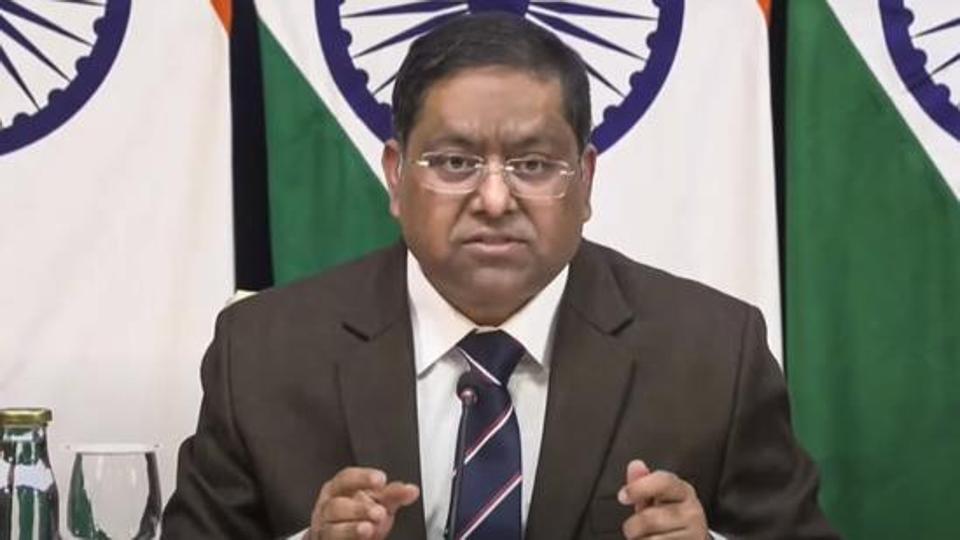
External affairs ministry spokesperson Randhir Jaiswal condemned the killing in a social media post and said it was part of a “pattern of systematic persecution of Hindu minorities” under Bangladesh’s interim government.
“We have noted with distress the abduction and brutal killing of Shri Bhabesh Chandra Roy, a Hindu minority leader in Bangladesh,” Jaiswal said. “We condemn this incident and once again remind the interim government to live up to its responsibility of protecting all minorities, including Hindus, without inventing excuses or making distinctions.”
Jaiswal also said the “perpetrators of previous such events roam with impunity” in Bangladesh.
The condemnation came a day after India rejected remarks by Bangladeshi officials regarding sectarian violence in West Bengal and asked Bangladesh to focus on protecting the rights of its minorities.
The spokesperson for Bangladesh interim government chief Muhammad Yunus had on Thursday condemned attacks on Muslims in West Bengal and asked the Indian government to “fully protect the minority Muslim population”.
Responding to these remarks, Jaiswal said on Friday that instead of making “unwarranted comments and indulging in virtue signalling”, Bangladesh should focus on protecting the rights of its own minorities.
Jaiswal also described the remarks by Yunus’s spokesperson as a “barely disguised and disingenuous attempt to draw a parallel with India’s concerns over the ongoing persecution of minorities in Bangladesh, where the criminal perpetrators of such acts continue to roam free”.
India-Bangladesh relations have been in free fall since the caretaker government led by Yunus assumed office after former premier Sheikh Hasina was ousted by student-led protests last August. The two sides have repeatedly clashed over Dhaka’s handling of the repression of Bangladesh’s Hindus, with New Delhi calling for steps to protect the minority.
The matter was raised by Prime Minister Narendra Modi when he met Yunus on the margins of the Bimstec Summit in Bangkok on April 4. According to a readout from the external affairs ministry, Modi underlined India’s concerns about the safety and security of minorities in Bangladesh and “expressed his expectation that the Government of Bangladesh would ensure their security, including by thoroughly investigating the cases of atrocities committed against them”.



