The impact of Prime Minister Narendra Modi’s campaign against single-use plastic he announced in his Independence Day speech on August 15 has begun to take effect.
At the 14th Conference of Parties to United Nations Convention to Combat Desertification, Modi on Monday asked other countries to join India in phasing out single-use plastic by 2022.
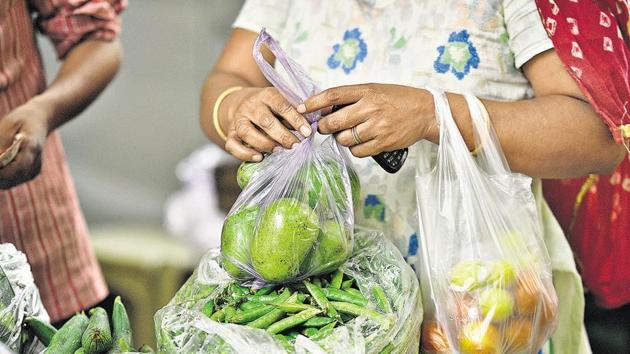
In Delhi, shopkeepers said they have stopped using plastic. “In fact, I do not think they are even available in the market anymore because the [municipal] corporations are taking strict action. I was fined ₹5,000 a couple of days ago. Now we will use cloth bags. A cloth bag costs ₹2 while that of plastic 30 or 40 paise,” said Sanjeev Bansal, who runs a grocery store near New Delhi’s Nizammudin railway station.
Prince Kumar, who also runs a grocery store in Vasant Vihar said, “We always asked people to bring their own bags and now we have stopped plastic bags completely.”
Over three years after the Plastic Waste Management Rules, 2016, came into effect, Delhi’s civic bodies drafted by-laws for their implementation in July.
Union environment ministry secretary C K Mishra said banning plastic may not be feasible. “As for single-use plastic, about 20 states have their own rules to stop the use of plastic bags, and about nine have gone further to prevent the use of Styrofoam cups and cutlery. The plastic collection drive is a one-time thing aimed at motivating states to keep up sustained efforts,” he said. The Centre is planning a country-wide plastic waste collection drive this month.
{{/usCountry}}Union environment ministry secretary C K Mishra said banning plastic may not be feasible. “As for single-use plastic, about 20 states have their own rules to stop the use of plastic bags, and about nine have gone further to prevent the use of Styrofoam cups and cutlery. The plastic collection drive is a one-time thing aimed at motivating states to keep up sustained efforts,” he said. The Centre is planning a country-wide plastic waste collection drive this month.
{{/usCountry}}Satish Sinha, the associate director of Toxic Links,an environmental non-profit organisation, called the drive a very important step because the use of plastic has been growing exponentially and very little of it gets recycled. “It is especially difficult to recycle single-use plastic. And, when we talk about the impact, it is not just clogged drains and cows eating plastic. The plastic is broken down to microplastic that disrupts the marine ecosystem and enters the food chain. Plastic has chemicals and stabilisers that are toxic in nature,” he said.
So far, only 9% of the nine billion tonne of plastic ever produced has been recycled, according to Plastic recycling data from UN Enviroment, 2018. And, if the current trend continues, landfills will have 12 billion metric tonnes of plastic litter by 2050, according to Plastic recycling data from UN Enviroment, 2018.
“Not only better waste management and collection of plastic is required, but it is also very important to find sustainable alternatives. And, this kind of drastic step is necessary for that. When we put pressure on the industry, it is likely to come up with alternatives,” said Sinha.